Knowing how to wear a perfume correctly can help it last all day. Apply fragrance to pulse points, moisturize your skin first, avoid rubbing your wrists together, and choose the right concentration for longer-lasting results.
Okay, can we have a real talk for a second? I used to think I just had “bad luck” with perfume. I’d spray it in the morning, and by lunchtime, I literally couldn’t smell it on myself anymore. Sound familiar?
Turns out, it wasn’t bad luck at all. It was how I was wearing it. Knowing how to wear a perfume the right way is honestly a game-changer, and once you get it, you’ll never go back to the old spray-and-hope method.
So grab your favorite bottle, because we’re about to go through everything: where to spray, how to make it last, the difference between deodorant, perfume and cologne, the best men’s cologne for women (yes, really), a fun quiz to find your signature scent, and even when you should maybe skip perfume altogether.
How to Wear a Perfume the Right Way

Perfume isn’t something you just mist into the air and walk through like a movie scene. That looks cute, but most of it ends up on the floor instead of your skin.
- Target your pulse points: wrists, neck, behind the ears, and the inner elbows. These areas run warmer, and warmth helps the scent open up and spread.
- Apply right after a shower, while your skin is still slightly damp. Damp skin holds fragrance way better than dry skin.
- Don’t rub your wrists together after spraying. I know it’s tempting, but rubbing breaks down the scent molecules and messes with how the fragrance develops.
- Spray from about 3 to 6 inches away from your skin, not right up against it. This gives you even coverage instead of one soggy spot.
- Less is more. Two to three sprays are plenty for most perfumes. If people can smell you from across the room, that’s a sign to dial it back.
Once you nail these basics, you’ll notice your scent feels more “you,” rather than just sitting on top of your clothes.
10 Tricks to Make Your Perfume Last Longer
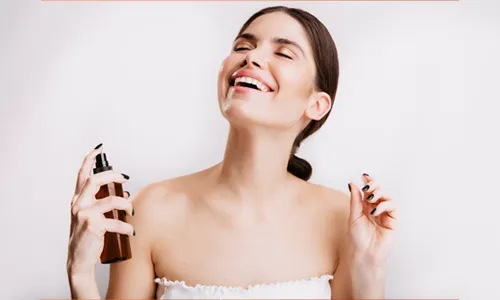
- Moisturize before you spray. Unscented lotion on damp skin creates a base that locks the fragrance in instead of letting it evaporate fast.
- Layer your scent. Use a matching scented body wash, lotion, or oil underneath your perfume so the scent builds from the inside out.
- Apply to your hair very lightly. Hair holds fragrance for hours; just don’t spray directly on it. Mist it onto your brush or hairbrush instead.
- Use petroleum jelly on pulse points before spraying. It sounds weird, but a thin layer acts like glue for the fragrance molecules.
- Store your perfume properly. Keep it away from sunlight, heat, and humidity (so not on your bathroom shelf), since heat breaks down the formula faster.
- Don’t spray and walk away immediately. Give it a minute to settle on your skin before you put on clothes or jewelry.
- Focus on “warm zones” like behind your knees and on your back, not just your wrists and neck. Heat rises and carries scent with it.
- Carry a travel-size version for a midday refresh. One quick spray on your wrist around noon can completely revive a fading scent.
- Choose the right concentration. Eau de parfum lasts longer than eau de toilette, so if longevity is your main goal, that’s the upgrade to make.
- Avoid spraying directly onto fabric. Fabric absorbs and holds scent differently than skin, and it can sometimes leave a stain or change the smell entirely.
Honestly, even doing three or four of these consistently made a huge difference for me. My perfume now lasts well into the evening instead of disappearing by noon.
Deodorant vs Perfume vs Cologne: What’s the Real Difference?
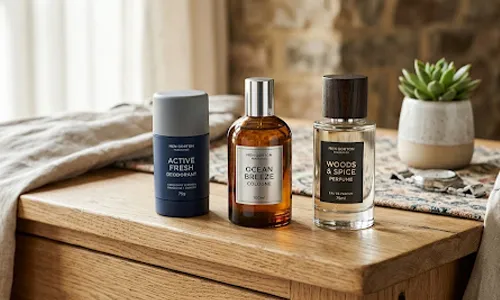
| Deodorant | Perfume vs Cologne | |
| Purpose | Controls sweat and body odor, often with antiperspirant ingredients | Designed purely for fragrance, with no sweat-control function |
| Scent Concentration | Very light, usually just enough to mask odor | Perfume: 15–20% oils. Cologne: 2–4% oils, much lighter |
| How Long It Lasts | A few hours, mainly tied to sweat activity | Perfume can last 6–8+ hours. Cologne usually lasts 2–4 hours |
| Where to Apply | Underarms only | Pulse points: wrists, neck, chest, behind the ears |
| Price Range | Generally, the most affordable of the three | Perfume tends to cost more than cologne due to higher oil concentration |
Basically: deodorant is for function, perfume is for staying power, and cologne is for a lighter, more casual scent moment.
Men’s Cologne for Women: Yes, It’s a Thing
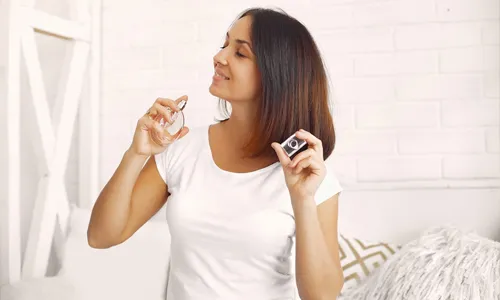
Okay, this might be my favorite topic, because so many women (myself included) secretly love wearing a splash of men’s cologne. There’s something about that woody, musky, slightly spicy vibe that feels confident and unexpected.
So if you’ve ever wondered what men’s cologne women like the most, here’s the honest answer: anything warm, woody, or a little smoky tends to win big. Think sandalwood, cedarwood, vetiver, and amber bases.
- Sandalwood and amber blends feel cozy and skin-like, almost like a “you, but better” scent
- Citrus-and-musk combos are fresh enough for daytime but still have that edge
- Leather and tobacco notes (used sparingly) read as bold and a little mysterious
- Spicy blends with cardamom or black pepper feel modern and unisex
If you’re shopping for men’s perfume for women as a gift, or just want to try wearing one yourself, look for fragrances labeled “unisex” or “woody fresh,” since those tend to translate beautifully on women’s skin too.
Find Your Signature Scent: The Perfume Personality Quiz

Think about what naturally draws you in, whether it’s a vibe, a place, or even an aesthetic you gravitate toward on Pinterest. Then match it to the table below to find both your ideal scent family and a little personality read.
| If You’re Drawn To... | Your Scent Family | Your Perfume Personality |
| Cozy sweaters, vanilla lattes, candles | Gourmand (vanilla, caramel, tonka bean) | The warm, comforting friend everyone trusts |
| Flower markets, garden parties, soft pastels | Floral (rose, jasmine, peony) | Romantic, expressive, classic feminine energy |
| Fresh laundry, ocean air, morning runs | Aquatic & Fresh (citrus, marine notes) | Clean, low-key, effortlessly cool |
| Old libraries, leather jackets, candlelit dinners | Woody & Oriental (sandalwood, amber, oud) | Mysterious, confident, main-character energy |
| Spice markets, travel, bold prints | Spicy Oriental (cardamom, cinnamon, vanilla) | Bold, adventurous, never blends into the background |
If you read this and thought “okay, but I’m kind of two of these,” that’s totally normal. A lot of us are a blend, and that’s exactly why layering two scent families together can create something that feels uniquely yours.
Cons of Perfume (and Who Should Avoid It)

As much as I love perfume, it’s not all sunshine and pretty bottles. Fragrance is made up of a mix of chemicals and natural oils, and for some people, that combination can cause real problems.
- Headaches and migraines: strong fragrances are one of the most common migraine triggers, especially in enclosed spaces
- Skin irritation or allergic reactions: redness, itching, or rashes can happen, especially with synthetic fragrances on sensitive skin
- Respiratory issues: people with asthma or fragrance sensitivities can experience coughing, wheezing, or shortness of breath
- Hormone concerns: some fragrance ingredients like phthalates have raised questions in research, which is why “phthalate-free” options exist
So who should think twice or skip perfume altogether? Pregnant women (especially in the first trimester, since smell sensitivity skyrockets), anyone with asthma or chronic migraines, people with very reactive or eczema-prone skin, and anyone working in close quarters with others who have known fragrance sensitivities.
If that’s you, that doesn’t mean you’re stuck smelling like nothing. Fragrance-free or “clean” formulas, lighter body mists, or naturally scented oils are much gentler alternatives.
FAQs
Can wearing perfume actually cause headaches?
Yes, for some people it can. Strong synthetic fragrances are a well-known migraine trigger for sensitive individuals, especially in closed rooms or elevators. If you notice a pattern, try switching to a lighter, natural-leaning scent.
How do I know if I’m allergic to a perfume?
Watch for redness, itching, hives, or a rash where you applied it, usually within minutes to a few hours. If that happens, wash the area immediately and avoid that fragrance going forward. A patch test on your inner arm before committing to a new scent is always a smart move.
How many sprays of perfume is too much?
For most eau de parfums, two to three sprays on pulse points is the sweet spot. If you can smell it strongly on yourself after 10 minutes, or someone several feet away comments on it, that’s usually a sign to scale back.
Does perfume expire?
It does, though it takes a while. Most fragrances last 3 to 5 years if stored properly. You’ll know it’s gone off if the scent smells “off,” sour, or noticeably different from when you bought it, or if the color has darkened significantly.
Is it okay to wear cologne instead of perfume?
Absolutely. There’s no rulebook that says cologne is “for men” and perfume is “for women.” If you love a lighter, fresher concentration, cologne is a totally valid (and often more affordable) choice.
Can I mix two perfumes together?
You can, and it’s actually a fun way to create a signature scent. Just start light: spray one on your wrists and the other on your neck, then see how they blend on your skin over a few hours before going all in.
Why does my perfume smell different on me than it did in the store?
Your skin’s natural oils, pH, and even your diet affect how a fragrance develops. That’s why testing perfume on your own skin (not just a paper strip) for a few hours is so important before buying.
Is it bad to wear perfume every day?
Not at all, as long as you’re not overdoing the amount and your skin tolerates it well. If you notice irritation building up over time, it might be worth rotating scents or going fragrance-free a couple days a week to give your skin a break.
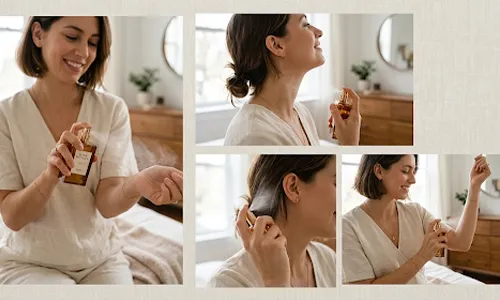
At the end of the day, learning how to wear a perfume is really about paying attention to your own body and what makes you feel good. There’s no one “right” way, just smarter ways to make a scent you love stick around longer.
So go ahead, spritz a little, find your signature, and own it. And hey, if you try any of these tricks, I’d love to hear which ones worked best for you!