You love your plants, but buying new containers every time your green babies outgrow their homes is costing you a small fortune.
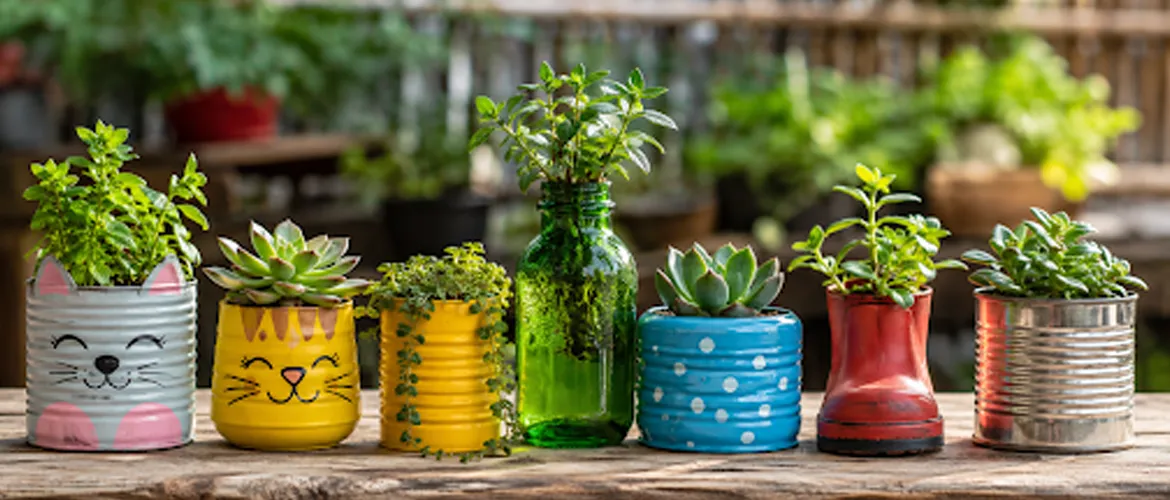
If you're drowning in empty plastic nursery pots, tin cans, and clutter, you can breathe new life into your space by turning everyday household trash into inventive recycled pots. Implementing innovative recycling ideas allows you to design stunning, sustainable plant displays without spending a single dollar or spending hours on complex DIY crafts.
What Are the Best Innovative Recycling Ideas for Planters?
The key to successful upcycling is ensuring proper drainage so your roots don't rot, which is a common issue noted by horticultural specialists.
Here are the best household items you can easily flip into gorgeous, inventive recycled pots:
1. The Plastic Milk Jug Fountain
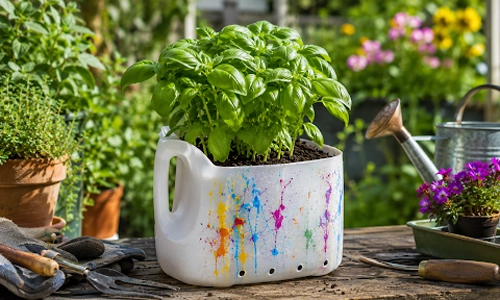
Cut the top half off a one-gallon milk jug, poke five small holes in the bottom for drainage, and dress it up with a splash of leftover acrylic paint. It’s ideal for deep-root kitchen herbs like basil.
2. Tin Can Clusters
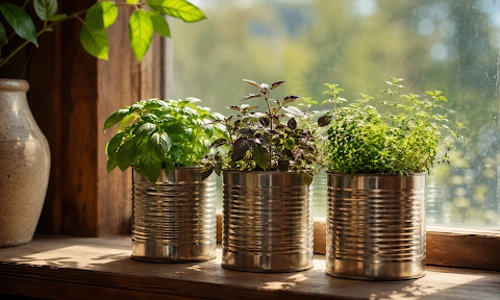
Old soup, coffee, or tomato cans make excellent rustic planters. Drill three holes in the bottom, smooth any sharp edges, and group them in sets of three on your windowsill for an instant, modern aesthetic.
3. Colander Hanging Baskets
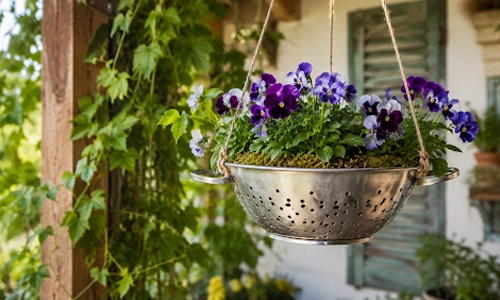
If you have an old metal or plastic colander hiding in your kitchen cabinet, you’ve hit the jackpot. It already has built-in drainage! Just line it with a bit of moss or a coffee filter, add soil, and hang it with twine.
4. Worn-Out Rain Boots
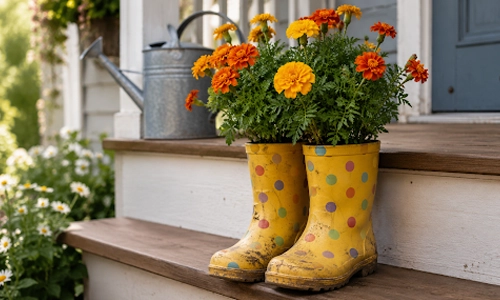
Before throwing away your kids’ outgrown or leaky rain boots, fill them with potting mix. They look incredibly charming sitting on a porch step holding bright marigolds.
5. Rotated Storage Bins
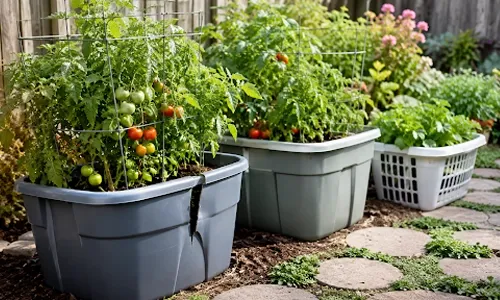
Cracked plastic storage totes or old laundry baskets make fantastic, large-scale raised beds for backyard tomatoes or potatoes.
How Do I Know If My Recycled Pots Are Safe for Plants?
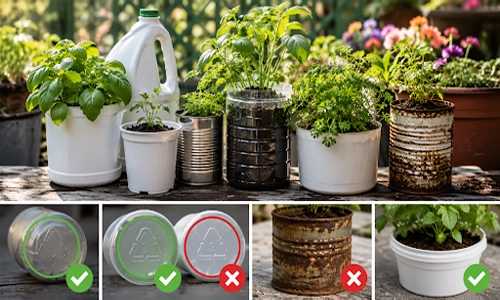
Not every piece of trash is safe for your green friends, especially if you plan on eating what you grow. According to agricultural extension services, certain plastics can leach chemicals into the soil over time.
Before you plant your edible herbs or veggies, use this quick checklist to see if your container is safe:
- Check the recycling code: Look at the bottom of plastic items. Codes 1, 2, 4, and 5 are generally considered safe for growing food. Avoid Code 3 (PVC) and Code 7 (other mixed plastics) for edibles.
- Watch out for rust: While tin cans are fine for short-term decorative use or flowers, heavy rust can alter soil chemistry over long periods.
- Food-grade is best: If it originally held food (like yogurt tubs, coffee tins, or juice jugs), it’s safe to reuse for your plants.
What Actually Works for Making Ugly Plastic Pots Look Expensive?
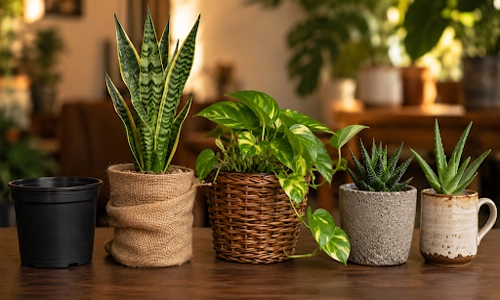
We’ve all got that stack of ugly, flimsy black and green plastic pots from the local nursery. Don't throw them away! The North Carolina Department of Environmental Quality highlights that millions of these plastic pots end up in landfills annually because they are difficult for commercial facilities to sort.
Instead of tossing them, try these high-end, low-effort transformations:
| Original Item | The Quick Fix | Best Plant Match |
| Flimsy Black Nursery Pots | Wrap tightly in burlap or place inside an old woven basket. | Snake Plants or Pothos |
| Yogurt & Sour Cream Tubs | Coat with textured "stone" spray paint. | Succulents & Cacti |
| Chipped Ceramic Mugs | Add a layer of charcoal pebbles at the bottom (if you can't drill a hole). | Small Aloe Vera |
Frequently Asked Questions
Do I really need to drill holes in inventive recycled pots?
Yes. Without drainage holes, water pools at the bottom, causing root rot. If you can't drill a hole in an item, use it as a "cachepot"—keep the plant in a plastic nursery liner and simply slip it inside.
Can I grow vegetables in upcycled plastic containers?
Absolutely, as long as you use food-safe plastics (look for recycling symbols 1, 2, 4, and 5). Avoid using old containers that once held harsh chemicals, detergents, or paint.
How do I stop soil from leaking out of large drainage holes?
Place a paper coffee filter, a small piece of mesh screen, or a few flat stones over the hole before adding your potting mix. This lets water escape while keeping the soil in place.
Can I use old milk cartons or juice boxes as planters?
Yes, they make excellent temporary starter pots for seedlings! Just snip off the top, poke a few drainage holes in the bottom, and you're good to go until it's time to transplant.
How do I clean old containers before planting in them?
Wash them thoroughly with warm, soapy water and a splash of white vinegar. This sanitizes the container and removes any lingering salt deposits, pests, or fungi from previous use.
Will tin or metal pots get too hot for my plants?
Metal absorbs heat quickly, which can dry out soil and scorch sensitive roots. Keep your recycled tin planters in shaded areas or use them indoors rather than placing them in direct, baking sunlight.
Hope these innovative recycling ideas help you turn trash into something beautiful and useful. Which is your favorite idea, and what’s the most recent thing you recycled? Share it with us! For more updates, follow this space!