
Living with ongoing pain and exhaustion can make even simple daily tasks feel overwhelming, and the thought of exercising may sound like one more thing your body cannot handle.
Gentle and appropriately paced movement can help some people with fibromyalgia manage pain, improve sleep, and maintain everyday function. You do not need an intense workout or an expensive gym membership to begin. The key is finding an activity that fits your energy levels and working up gradually.
What Is Fibromyalgia and Why Does Movement Matter?

Fibromyalgia is a long-term condition associated with widespread pain, fatigue, sleep difficulties, and problems with concentration or memory. It can affect how you feel at work, how well you sleep, and how much energy you have for family responsibilities.
The exact cause is not fully understood. People with fibromyalgia may also experience increased sensitivity to pain, meaning that ordinary sensations can feel more uncomfortable than expected.
Regular, suitable movement can help improve physical function, sleep, mood, and pain management over time. The goal is not to push through discomfort or force your body to meet someone else's fitness standards. It is to find a manageable level of activity that supports your everyday life.
What Are the Fibromyalgia Signs and Symptoms to Recognize?

Fibromyalgia symptoms can vary from person to person and may become more noticeable on certain days. Common fibromyalgia symptoms include:
- Widespread pain: Aching, burning, or tenderness across different areas of the body.
- Persistent fatigue: Feeling exhausted even after what seems like adequate rest.
- Muscle stiffness: Finding it uncomfortable to move, particularly after resting.
- Sleep problems: Difficulty falling asleep, staying asleep, or waking up refreshed.
- Fibro fog: Trouble concentrating, remembering information, or thinking clearly.
- Headaches: Frequent headaches or migraines.
- Mood changes: Feelings of anxiety, frustration, or low mood associated with living with ongoing symptoms.
These symptoms can overlap with other health conditions. If you experience persistent widespread pain and fatigue, speak with a healthcare professional rather than trying to diagnose yourself. Understanding your symptoms can help you and your healthcare team decide which activities are appropriate for your current needs.
Which Exercises Can Help Manage Fibromyalgia Symptoms?
Low-impact activities are often a more comfortable starting point, especially when pain and fatigue make vigorous exercise difficult. Here are five options to discuss with your healthcare professional.
1. Walking at a Comfortable Pace

Walking is accessible, requires little or no equipment, and can fit into a busy day. Start with a short walk on level ground at a pace that feels comfortable. If walking outdoors is inconvenient, try moving around your home or walking indoors.
On a difficult day, a shorter walk may be more realistic than following a fixed target. Walk for a few minutes after a period of sitting, then pause and notice how you feel during the activity and afterward.
2. Gentle Stretching for Stiff Muscles
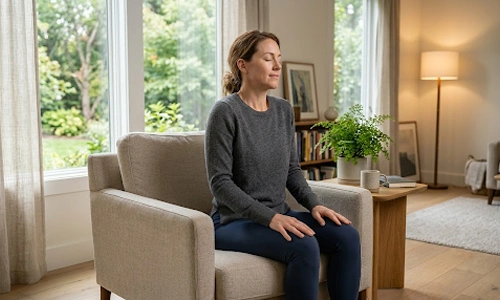
When your muscles feel tight, gentle stretching may help maintain flexibility and make everyday movements more comfortable. Consider slow shoulder rolls, gentle neck movements within a comfortable range, or easy ankle rotations while seated.
Keep these movements controlled. Avoid bouncing, forcing a stretch, or trying to reach a particular position at the expense of comfort. Choose one or two gentle movements and perform them slowly. Stop if you experience sharp, unusual, or worsening pain.
3. Water-Based Exercise
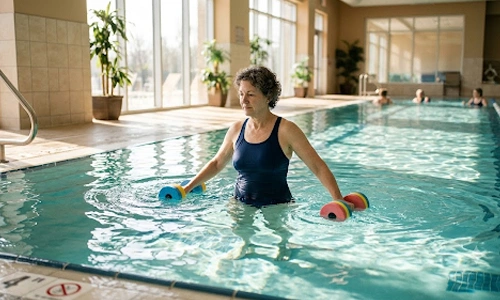
If you have access to a suitable pool, water-based exercise may be worth exploring. Warm-water movement can feel more comfortable for some people because the water supports the body while they move. Depending on your abilities, you might try gentle walking in the water or a supervised aquatic exercise class. Start with simple movements and ask your healthcare professional whether water-based activity is suitable for you.
4. Beginner-Friendly Yoga or Tai Chi

Yoga and tai chi combine controlled movements with breathing, balance, and body awareness. A beginner-friendly class or modified routine may help you work on flexibility, balance, and relaxation without relying on high-impact movements.
Choose an instructor who understands chronic pain and can offer alternatives. Avoid poses or movements that place uncomfortable pressure on your joints or require you to stretch beyond your current range. Begin with a short, gentle session and take breaks whenever needed. Resting is part of adapting the activity, not a sign of failure.
5. Light Strength Training

Gentle strength training may help maintain the muscles you use for everyday tasks, such as carrying groceries, climbing stairs, or getting up from a chair. Depending on your physical ability, you might eventually try light resistance bands, low-resistance exercises, or supported movements using your own body weight.
Because strength training can be challenging when pain and fatigue fluctuate, ask a physiotherapist to help you select suitable exercises and determine how often to perform them. Start with a manageable amount of activity rather than immediately following a demanding workout plan.
How Can You Start Exercising Without Triggering a Flare-Up?
One of the hardest parts of exercising with fibromyalgia is finding the right balance. You may feel well enough to do more on one day and struggle with the same activity the next. A gradual approach can help you avoid doing too much too soon.
Start Smaller Than You Think You Need To

A few minutes of comfortable movement may be a more appropriate starting point if you have been inactive or are experiencing significant symptoms. Choose one activity and see how your body responds. Increase the duration or intensity only when your current level feels manageable.
Pace Yourself Instead of Pushing Through
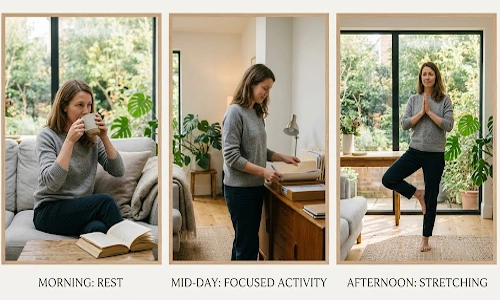
Pacing means spreading activities across the day and balancing movement with rest. For example, rather than completing all your household chores and exercise in one exhausting stretch, you might divide tasks into smaller blocks and rest between them. The same approach applies to exercise. Several short sessions may be easier to manage than one long session.
Track How You Feel After Each Session

Your response to exercise matters as much as the activity itself. Keep a simple note of:
- The activity you tried.
- How long you did it.
- Your pain and energy levels before exercising.
- How you felt later that day and the following day.
- Whether you needed more rest than usual.
Over time, this record may help you identify a manageable routine and provide useful information for your healthcare team.
Adjust Your Routine on Difficult Days

A flare-up or particularly tiring day may mean you need to reduce your usual activity. Replace a walk with a few comfortable seated movements, shorten a session, or rest if movement worsens your symptoms. There is no need to make up for missed exercise by doing extra the next day. Aim for consistency that your body can tolerate, not perfection.
What Should You Not Do When You Have Fibromyalgia?
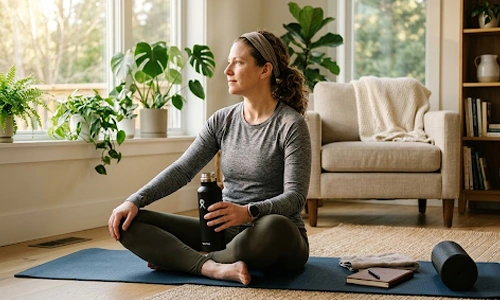
When you are trying to feel better, it is understandable to want quick results. However, an overly ambitious routine can make managing your symptoms more difficult. Keep these precautions in mind:
- Do not increase intensity too quickly: Give your body time to adjust before adding more duration, resistance, or speed.
- Do not ignore unusual pain: Stop an activity that causes sharp, new, or significantly worsening pain and seek professional advice when needed.
- Do not compare your progress with others: Your starting point and energy levels may be very different from someone else's.
- Do not treat rest as failure: Recovery and activity need to be balanced.
- Do not rely on exercise alone: Exercise is one part of fibromyalgia treatment, alongside appropriate medical care and other supportive strategies.
- Do not assume every exercise is suitable for you: Your other health conditions, mobility, and current symptoms may affect what you can safely do.
If an activity repeatedly leaves you feeling substantially worse, reduce the amount or pause it and discuss the pattern with your healthcare professional.
Is Fibromyalgia Treatable With Exercise Alone?

Fibromyalgia does not currently have a cure, but its symptoms can often be managed through an individualized treatment plan. Exercise is one part of that plan. Depending on your symptoms and needs, your healthcare professional may also recommend medication, psychological therapies, sleep support, or other approaches.
There is no single treatment that works equally well for everyone. Finding a suitable combination may take time, and progress may be gradual. If you have not exercised recently, have significant mobility limitations, or experience other medical problems, seek medical guidance before starting a new routine. A physiotherapist can help you select activities and adjust them to your abilities.
How to Make Movement Fit Into a Busy Day
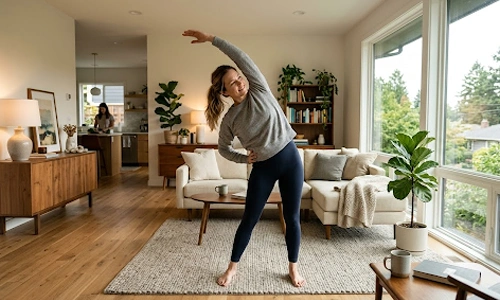
When you are managing work, family responsibilities, and limited energy, a complicated exercise schedule may be difficult to maintain. Instead, connect gentle movement with something you already do.
- After waking up: Try a few comfortable shoulder rolls or ankle rotations if they feel appropriate.
- During a work break: Stand, change position, or take a short walk if you can do so comfortably.
- While doing household tasks: Break chores into smaller sessions and alternate activity with rest.
- During your evening wind-down: Consider a brief, gentle stretching or relaxation routine if it helps you feel comfortable.
- On low-energy days: Scale back rather than forcing yourself to complete a planned workout.
Frequently Asked Questions
What is the best exercise for fibromyalgia?
There is no single best exercise for everyone. Gentle walking, stretching, water-based activity, tai chi, and modified yoga may be suitable options, depending on your symptoms and abilities.
Can exercise make fibromyalgia symptoms worse?
Yes. Too much activity or increasing intensity too quickly may aggravate pain and fatigue. Start with a manageable amount and adjust based on how you feel during and after exercise.
Is fibromyalgia treatable?
Fibromyalgia has no known cure, but treatments can help manage its symptoms. An individualized plan may include exercise, medication, psychological therapies, and lifestyle adjustments.
How often should you exercise with fibromyalgia?
The appropriate frequency depends on your health, symptoms, and current activity level. Begin gradually and work with your healthcare professional to establish a routine you can tolerate.
What should you avoid when you have fibromyalgia?
Avoid pushing through unusual or worsening pain, increasing exercise too quickly, and comparing your progress with others. Adapt activity to your symptoms and seek professional guidance when needed.
Living with fibromyalgia can make exercise feel complicated, especially when pain and fatigue are already taking up so much of your energy. But movement does not have to mean intense workouts, expensive equipment, or pushing through discomfort.
Gentle walking, stretching, water-based activity, modified yoga, and appropriately selected strength exercises may help you manage symptoms over time. Start small, monitor how you respond, and adjust your routine with guidance from your healthcare professional.