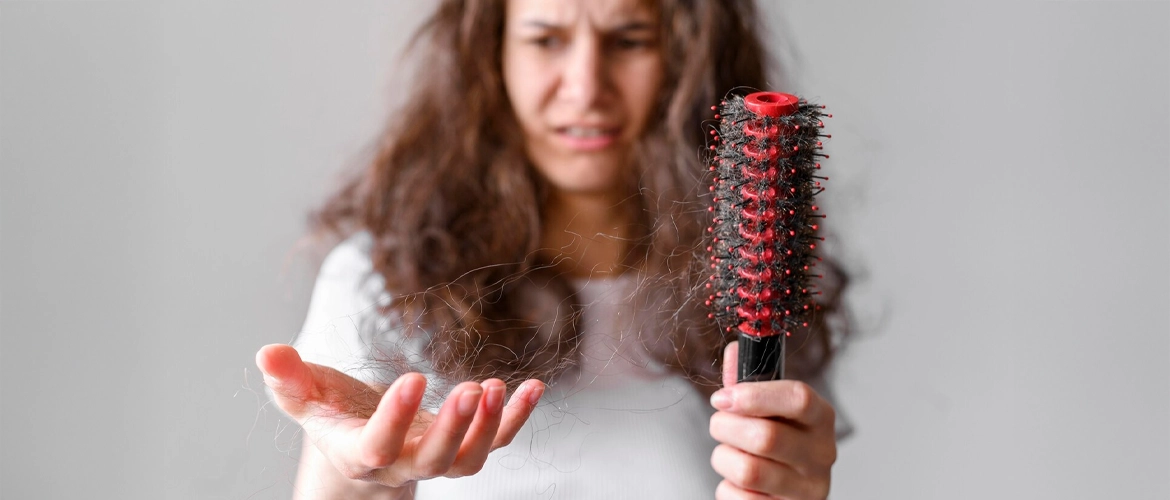
You notice it first in the shower drain. Then on your pillow. Then in your brush. Hair loss — or alopecia — is one of the most emotionally loaded health concerns American women and men face, yet it rarely gets the in-depth, evidence-based coverage it deserves.
The American Academy of Dermatology estimates that roughly 80 million Americans experience some form of hair loss. That's nearly one in four people. Yet most people search for answers in outdated blog posts or fall for expensive marketing claims before they ever understand what's actually happening to their scalp.
This guide changes that. Whether you're 19 and noticing thinning at the temples, 35 and postpartum, 50 and entering perimenopause, or 65 and watching your density drop year after year — this is the most comprehensive resource on hair loss, natural remedies, clinical treatments, and regrowth strategies written specifically for a US audience.
We cover everything: the biology of your hair follicle, the 12+ types of hair loss, the causes sorted by gender and age, the natural remedies that actually have research behind them, and what to expect if you decide to go clinical. No fluff. No filler. Real information.
Table of Contents
When to See a Doctor About Hair Loss
Natural Remedies for Hair Loss
1. What Is Hair Loss? (And How Hair Growth Actually Works)
Hair loss is the partial or complete absence of hair from areas where it normally grows, primarily the scalp. The medical term is alopecia, but it encompasses dozens of distinct conditions with different causes, timelines, and treatments.
To understand why hair falls out, you first need to understand how hair grows. Every single hair on your head lives inside a follicle — a tiny, tunnel-like structure embedded in your skin. Each follicle cycles through four stages:
| Phase | Name | Duration | What Happens |
| 1 | Anagen (Growth) | 2–7 years | Active hair growth. About 85–90% of your hair is here at any given time. |
| 2 | Catagen (Transition) | 2–3 weeks | Growth stops. The follicle shrinks. The hair detaches from the blood supply. |
| 3 | Telogen (Resting) | 3–4 months | The hair rests. A new hair begins forming beneath it. ~10–15% of hair is here. |
| 4 | Exogen (Shedding) | 2–5 months | The old hair sheds naturally. Losing 50–100 hairs/day is completely normal. |
Hair loss occurs when this cycle is disrupted — when hair sheds faster than it regrows, when follicles shrink and produce progressively thinner strands, or when follicles are permanently damaged or destroyed.
Key distinction: Shedding vs. hair loss. Shedding (telogen effluvium) is temporary — the follicle is intact, and regrowth happens once the trigger resolves. True hair loss (androgenetic alopecia, scarring alopecias) involves structural changes to the follicle that may be permanent without treatment.
2. Hair Loss by the Numbers: Statistics & Data
Hair loss is far more common than most people realize — and it disproportionately affects women in ways that are consistently underreported.
| Statistic | Data Point | Source |
| Americans with hair loss | ~80 million | American Academy of Dermatology (AAD) |
| Women affected by female-pattern hair loss | ~40% by age 50 | AAD |
| Men with androgenetic alopecia by age 50 | ~50% | NCBI / NIH |
| Men with some degree of hair loss by age 70 | ~80% | Journal of Investigative Dermatology |
| Women who report noticeable thinning postpartum | ~50% | American Pregnancy Association |
| Alopecia areata prevalence (US) | ~6.8 million | National Alopecia Areata Foundation |
| Annual spending on hair loss products/treatments (US) | $3.6 billion+ | Statista, 2023 |
| Women who say hair loss affects self-esteem | ~88% | International Society of Hair Restoration Surgery |
| People with hair loss who never seek treatment | ~60% | Hair Loss Association |
| Average age of first noticeable hair loss in women | Mid-30s to 40s | AAD |
| Telogen effluvium cases triggered by stress/illness | Rises 30–50% | Post-pandemic AAD data, 2021–2023 |
| Success rate of minoxidil (women, 2% solution) | ~60% report regrowth | Journal of the American Academy of Dermatology |
These numbers tell a clear story: hair loss is a widespread health concern with significant psychological impact, yet the majority of those affected never pursue treatment — often because they don't know where to start. This guide is the starting point.
3. Types of Hair Loss
Not all hair loss is the same. The type you have determines the treatment that will work. Here are the most clinically significant forms:
3.1 Androgenetic Alopecia (Pattern Hair Loss)
The most common form of hair loss in both men and women. It's driven by a genetic sensitivity to dihydrotestosterone (DHT), a hormone derived from testosterone. DHT causes hair follicles to miniaturize — producing progressively finer, shorter hairs until the follicle stops producing hair entirely.
- In men (Male-Pattern Baldness): Typically starts with a receding hairline at the temples and crown thinning. Classified on the Norwood Scale (Stages I–VII).
- In women (Female-Pattern Hair Loss / FPHL): Presents as diffuse thinning across the crown with a widening part line. The frontal hairline is usually preserved. Classified on the Ludwig Scale (Stages I– III).
- Genetics: If your father, maternal grandfather, or mother experiences pattern baldness, your risk significantly increases — though inheritance is polygenic and not perfectly predictable.
3.2 Telogen Effluvium (TE)
The second most common form. TE occurs when a physiological shock — illness, major surgery, extreme weight loss, childbirth, severe stress, or nutritional deficiency — pushes a large number of follicles from the anagen (growth) phase into the telogen (resting) phase simultaneously.
The result: 2–3 months after the triggering event, you notice dramatic, diffuse shedding — often handfuls in the shower or on your pillow. This is almost always temporary, with regrowth beginning within 3–6 months once the trigger is resolved.
Chronic TE can last longer than 6 months and usually has an ongoing, identifiable cause — like sustained stress, a prolonged nutritional deficiency, or an untreated thyroid condition.
3.3 Alopecia Areata
An autoimmune condition in which the immune system mistakenly attacks hair follicles, producing distinct, smooth, coin-sized patches of hair loss on the scalp or anywhere on the body.
It affects roughly 6.8 million Americans and can occur at any age. Variants include:
- Alopecia Totalis: Complete loss of scalp hair.
- Alopecia Universalis: Complete loss of all body hair.
- Ophiasis Alopecia: Band-like hair loss pattern following the sides and lower back of the scalp.
The FDA approved baricitinib (Olumiant) in 2022 as the first systemic treatment specifically for severe alopecia areata — a landmark development for a condition that previously had limited options.
3.4 Traction Alopecia
Caused by repeated, prolonged tension on the hair follicle from tight hairstyles — braids, weaves, cornrows, tight ponytails, and extensions. Initially reversible, traction alopecia becomes permanent if the mechanical stress continues long enough to destroy the follicle. It disproportionately affects Black women, with studies showing prevalence rates of 17–31% in African American females.
3.5 Central Centrifugal Cicatricial Alopecia (CCCA)
A scarring alopecia that starts at the crown and spreads centrifugally (outward), causing permanent follicle destruction. CCCA is the most common form of scarring alopecia among Black women. The exact cause is multifactorial — hairstyling practices, genetic predisposition, and inflammation all play roles. Early diagnosis is critical because scarring is irreversible.
3.6 Frontal Fibrosing Alopecia (FFA)
A form of scarring alopecia causing slow, progressive recession of the frontal hairline. It primarily affects postmenopausal women and is associated with a chronic low-grade inflammatory process targeting the follicle. Eyebrows and eyelashes are often affected too. FFA has seen a dramatic rise in incidence since the 1990s — current research explores sunscreen ingredients and hormonal factors as contributing triggers.
3.7 Trichotillomania
A body-focused repetitive behavior (BFRB) disorder in which a person compulsively pulls out their own hair, resulting in irregular patches of hair loss. It's classified as an obsessive-compulsive related disorder and affects roughly 0.5–2% of the population. Treatment is primarily behavioral — habit reversal training (HRT) and cognitive behavioral therapy (CBT) are first-line approaches.
3.8 Anagen Effluvium
Rapid hair loss during the active growth phase. The most common cause is chemotherapy or radiation therapy, which damages rapidly dividing hair matrix cells. Unlike telogen effluvium, hair loss occurs quickly — often within weeks of starting treatment. Regrowth typically begins 3–6 months after treatment ends, though hair texture and color may change temporarily.
3.9 Tinea Capitis (Scalp Ringworm)
A fungal infection of the scalp causing scaly, itchy patches and hair loss. Despite the name, no worm is involved — it's caused by dermatophyte fungi. More common in children, it's treated with oral antifungal medication (topicals don't penetrate the follicle sufficiently).
3.10 Other Types
- Lichen Planopilaris (LPP): An inflammatory scalp condition causing scarring hair loss, often presenting with scalp pain and burning.
- Discoid Lupus Erythematosus: Autoimmune condition that can cause permanent scalp scarring and hair loss.
- Postpartum Hair Loss: A subtype of TE triggered by the hormonal shift after delivery. Peaks at 3–4 months postpartum; resolves within 12 months in most cases.
- Hypothyroid/Hyperthyroid Alopecia: Both an underactive and an overactive thyroid can cause diffuse hair loss. Normalizing thyroid levels typically reverses it.
4. Causes of Hair Loss — By Gender, Age & Factor
Hair loss is never a single-cause phenomenon. It's almost always the result of interacting genetic, hormonal, nutritional, environmental, and behavioral factors. Here's a comprehensive breakdown:
| Cause Category | Details | Who It Most Affects | Reversible? |
| Genetics (DHT sensitivity) | Inherited sensitivity to dihydrotestosterone causes follicle miniaturization over time | Men and women, all ages | Partially — with treatment |
| Hormonal changes | Pregnancy, postpartum, menopause, PCOS, thyroid disorders, HRT changes | Women, especially 30–60 | Often yes, if addressed |
| Nutritional deficiencies | Iron, zinc, biotin, protein, vitamin D, B12 deficiencies disrupt follicle function | Women, especially those dieting or with IBS/celiac | Yes, with supplementation |
| Chronic stress | Elevated cortisol disrupts the hair cycle, pushing follicles into telogen phase | All ages, both genders | Yes, once stress resolves |
| Medical conditions | Thyroid disease, lupus, PCOS, alopecia areata, scalp infections | Varies by condition | Condition-dependent |
| Medications | Chemotherapy, blood thinners, beta-blockers, antidepressants, retinoids, birth control | Any patient on relevant meds | Usually yes, after stopping |
| Hairstyling damage | Tight styles (traction), heat damage, chemical processing (bleach, relaxers) | Black women, frequent stylists | Early stages yes; late stages no |
| Scalp conditions | Seborrheic dermatitis, psoriasis, tinea capitis cause inflammation around follicles | All ages, both genders | Yes, with treatment |
| Autoimmune | Immune system attacks follicles (alopecia areata, lupus, LPP) | Women, often in 20s–40s | Partial — with immunotherapy |
| Rapid weight loss | Crash diets, bariatric surgery cause protein/nutrient deprivation to follicles | Women more often | Yes, with nutritional recovery |
| Aging | Natural follicle miniaturization, reduced estrogen/testosterone, slower cell turnover | Both genders 50+ | Partially — manageable |
| Environmental toxins | Heavy metals, pesticide exposure, air pollution may contribute to follicle damage | Urban populations, industrial workers | Limited evidence; mixed |
| Over-supplementation | Excess vitamin A (retinol/retinoids) is a proven cause of diffuse hair loss | People over-supplementing | Yes, on dose reduction |
| Smoking | Reduces blood flow to follicles; associated with earlier-onset AGA in men | Smokers | Partially |
5. Hair Loss by Age: What to Expect From Teens to Your 70s
5.1 Teenagers (Ages 13–19)
Hair loss in teenagers is less common but more psychologically distressing when it occurs. Key causes include:
- Alopecia areata (autoimmune; can appear suddenly at any age)
- Trichotillomania (hair-pulling disorder, often anxiety-linked)
- Nutritional deficiencies from poor diet or disordered eating
- Tinea capitis (scalp ringworm) — especially in younger teens
- Early-onset androgenetic alopecia (genetic; rare but real)
- Traction alopecia from tight hairstyles
Any teenager experiencing noticeable hair loss should see a dermatologist. It's rarely 'just stress' and almost always has a treatable underlying cause.
5.2 Twenties and Thirties (Ages 20–39)
This is when androgenetic alopecia most commonly first becomes noticeable — especially in men. For women in this age range, hormonal causes dominate:
- Postpartum telogen effluvium (peaks 3–4 months after delivery)
- PCOS-related androgenic hair thinning
- Starting or stopping hormonal birth control
- Iron deficiency anemia (common in women of reproductive age)
- Chronic stress from career, relationship, and life transition demands
- Aggressive dieting and nutritional deficiencies
Men in their 20s who notice hairline recession or crown thinning should treat it early — androgenetic alopecia is progressive, and early intervention preserves more hair.
5.3 Forties and Perimenopause (Ages 40–49)
Perimenopause — the transition into menopause — typically begins in the mid-40s and can last 7–10 years. During this time, estrogen levels fluctuate and eventually decline. Estrogen is protective for hair follicles; as it drops, DHT's impact on follicles increases even without any increase in DHT itself.
Women in their 40s often notice:
- Widening part line
- Reduced hair density, especially at the crown
- Slower hair growth and finer strands
- Increased shedding during stress or illness
This is often the decade when female-pattern hair loss becomes clinically visible and warrants a conversation with both a dermatologist and, ideally, a gynecologist or functional medicine doctor to assess hormonal status.
5.4 Menopause and Beyond (Ages 50+)
After menopause, estrogen production drops significantly, shifting the androgen/estrogen ratio in the hair follicle environment. Hair loss accelerates for many women. Studies show that up to 40% of postmenopausal women have clinically significant female-pattern hair loss.
For men 50+, androgenetic alopecia continues its progression, and additional factors like reduced circulation, slower cellular renewal, and cumulative UV damage compound the issue.
- Both sexes benefit from consistent minoxidil use, scalp health maintenance, a low-inflammatory diet, and, when indicated, hormonal evaluation.
- Women: Hormone replacement therapy (HRT) may benefit hair in some cases — discuss with your doctor.
- Men: Finasteride remains the gold standard for AGA; PRP and hair transplants are effective options.
6. Symptoms: How to Know If You're Really Losing Hair
Not all excessive shedding equals hair loss, and not all thinning is obvious at first. Here's how to distinguish normal shedding from clinical hair loss:
| Sign | Normal or Concerning? | What To Do |
| 50–100 hairs/day on your brush or in the shower | Normal | No action needed |
| 150+ hairs/day consistently for 2+ weeks | Concerning | Track it; consult a dermatologist |
| Wider part line (gradual, over months) | Concerning (FPHL) | Seek evaluation |
| Receding temples (in men, gradual) | Likely AGA | Early treatment is most effective |
| Smooth, round bald patches | Concerning (Alopecia Areata) | See a dermatologist promptly |
| Diffuse thinning all over (no pattern) | Likely TE | Identify the trigger; most resolve |
| Scalp itching, flaking, redness + hair loss | Concerning (Scalp condition) | Dermatologist evaluation |
| Hair loss + fatigue + cold sensitivity | Concerning (Thyroid) | Thyroid blood panel (TSH, T3, T4) |
| Hair loss + irregular periods + acne | Concerning (PCOS) | Hormonal evaluation |
| Hairline recession along edges (braids) | Traction alopecia | Change hairstyle immediately |
| Hair that breaks off rather than falls from the root | Breakage (not loss) | Protein treatment, reduce heat/chemical |
The pull test: Grasp 40–60 hairs between your thumb and forefinger, hold near the root, and gently tug as you slide your fingers to the tips. Pulling out 6 or more hairs is considered a positive pull test — a sign of active shedding that warrants evaluation.
7. When to See a Doctor About Hair Loss
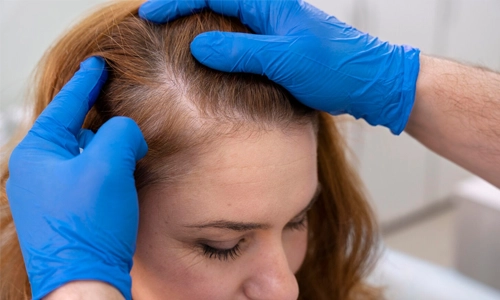
Many people wait years before seeking help — by which time irreversible follicle damage may have occurred. See a dermatologist or your primary care physician if:
- You're losing more than 150 hairs per day consistently
- You notice bald patches, scalp tenderness, itching, or burning
- Hair loss is rapid (more than 25% volume lost within 6 months)
- You're a woman under 40 experiencing visible thinning or crown widening
- Hair loss is accompanied by other symptoms (fatigue, weight changes, irregular periods)
- Over-the-counter treatments haven't helped after 6 months of consistent use
- Hair loss is causing significant anxiety or affecting your quality of life
Your doctor may order: a complete blood count (CBC), serum ferritin, thyroid panel (TSH, Free T3, Free T4), zinc, vitamin D, DHEA-S, free testosterone, and a scalp dermoscopy or biopsy for scarring alopecias.
8. Stress & Hair Loss: The Complete Connection

8.1 How Stress Causes Hair Loss
When your body encounters significant stress — whether physical (surgery, illness, rapid weight loss) or emotional (grief, anxiety, burnout) — it activates the hypothalamic-pituitary-adrenal (HPA) axis, releasing cortisol and other stress hormones. These hormones signal the body to redirect resources from 'non-essential' functions — and hair growth qualifies as non-essential during a survival response.
The result is telogen effluvium: a large percentage of actively growing hairs are simultaneously pushed into the resting (telogen) phase. About 2–3 months later — once those resting hairs reach the shedding phase — you experience the dramatic loss. This delay is why people often fail to connect their current shedding to a stressful event that happened months earlier.
8.2 Chronic Stress vs. Acute Stress
- Acute stress (TE): A single major event (a breakup, surgery, COVID-19 infection, childbirth) causes a temporary but dramatic shed. Resolves within 6–9 months once the stressor is removed and the body rebalances.
- Chronic stress: Ongoing elevated cortisol — from workplace pressure, financial strain, relationship difficulties, or anxiety disorders — sustains the disruption of the hair cycle. This can lead to chronic telogen effluvium, where shedding persists for more than 6 months.
Chronic stress also exacerbates androgenetic alopecia. Cortisol elevates the production of inflammatory cytokines that accelerate follicle miniaturization in those with genetic susceptibility to DHT.
8.3 The Stress Hair Loss Timeline
| Timeframe | What's Happening | What You'll Notice |
| Week 1–4 (Trigger Event) | Stress response activates; cortisol spikes; follicles pushed into telogen | No visible change yet |
| Month 1–2 (Transition) | Follicles in the telogen phase are resting; new growth begins underneath | Possibly none, or slight scalp sensitivity |
| Month 2–3 (Shedding Onset) | Telogen hairs begin the exogen (shedding) phase; new growth pushes them out | Increased shedding begins — noticeable in shower, on brush |
| Month 3–5 (Peak Shedding) | Maximum shedding; can lose 300–500+ hairs/day at peak | Handfuls in shower; visible thinning; psychological distress |
| Month 5–8 (Stabilization) | Shedding slows; new growth actively fills in | Shorter hairs visible at scalp level; density beginning to recover |
| Month 8–12 (Regrowth) | Full follicle repopulation underway; texture may temporarily differ | Noticeable regrowth; 'baby hairs' along the hairline and part |
| Month 12–18 (Full Recovery) | Normal hair cycle restored; density approaches baseline | Hair returns to pre-loss fullness for most people |
8.4 Practical Strategies to Combat Stress-Related Hair Loss
Managing stress-related hair loss requires a two-pronged approach: addressing the underlying stress source and supporting follicle health through nutrition and scalp care.
Stress Management Techniques
- Mindfulness-Based Stress Reduction (MBSR): Studies show MBSR programs reduce cortisol levels by up to 20% over 8 weeks. Apps like Headspace, Calm, or Insight Timer offer guided programs.
- Regular aerobic exercise: 30 minutes of moderate exercise (walking, cycling, swimming) 5x per week reduces baseline cortisol and promotes endorphin release. Avoid excessive high-intensity training if hair loss is active — overtraining can itself cause TE.
- Sleep hygiene: Cortisol follows a diurnal rhythm, peaking in the morning and lowest at night. Poor sleep disrupts this rhythm. Aim for 7–9 hours; create a wind-down routine.
- Therapy and professional support: Cognitive behavioral therapy (CBT) and acceptance and commitment therapy (ACT) have strong evidence bases for chronic stress and anxiety. BetterHelp, Talkspace, or your insurance's therapist directory are accessible starting points.
- Adaptogens: Ashwagandha (KSM-66 extract, 300–600mg/day) has clinical support for cortisol reduction and may indirectly support hair. Rhodiola rosea and holy basil (tulsi) are secondary options.
Nutrition for Stress-Induced Hair Loss
- Iron: Ferritin below 30 ng/mL is associated with TE. Aim for ferritin above 70 ng/mL for optimal hair growth. Sources: lean red meat, lentils, fortified cereals. Pair with vitamin C for absorption.
- Protein: Hair is made of keratin — a protein. Eat 0.8–1.2g of protein per pound of body weight daily. Inadequate protein intake will directly slow regrowth.
- B vitamins: B12, B6, and folate support red blood cell production and oxygen delivery to follicles. B12 deficiency is extremely common in women 30–50, especially vegetarians and vegans.
- Zinc: Plays a critical role in follicle function. Deficiency is linked to TE. Food sources: pumpkin seeds, beef, chickpeas. Supplement at 25–40mg/day if deficient (don't exceed without testing).
- Vitamin D: Deficiency — extremely common in the US — is associated with both TE and alopecia areata. Target blood levels of 50–70 ng/mL. Supplement with D3+K2 for optimal absorption.
Topical Support During Recovery
- Minoxidil 2–5%: While it won't treat the root cause, minoxidil can shorten the TE timeline by stimulating follicles back into anagen. It's an appropriate short-term tool during recovery.
- Scalp massages: 4 minutes of daily scalp massage with moderate pressure has been shown in a small Japanese study to increase hair thickness. Use fingertips — no tools necessary.
- Anti-inflammatory scalp oils: Rosemary oil (discussed in detail in Section 10) applied with scalp massage reduces inflammation and may support the transition back to anagen.
8.5 When Stress Hair Loss Needs Medical Attention
Stress-related TE typically resolves on its own. However, see a dermatologist if:
- Shedding has persisted for more than 6 months with no improvement
- You've noticed permanent-looking patches (may indicate a concurrent alopecia areata episode triggered by stress)
- Hair loss is accompanied by scalp changes — redness, scaling, burning — which suggests a secondary scalp condition
- Emotional distress around the hair loss is significantly affecting your daily life
9. Natural Remedies for Hair Loss: The Evidence-Based Complete List

Natural remedies for hair loss range from well-researched botanical compounds to promising traditional practices with limited modern study. What follows is an honest, evidence-stratified guide to what works, what might work, and what is mostly marketing.
| Remedy | Evidence Level | Primary Mechanism | Best For |
| Rosemary oil (topical) | Strong (RCTs) | Stimulates blood circulation; inhibits 5-alpha reductase (DHT blocker) | AGA, TE recovery |
| Pumpkin seed oil (oral) | Moderate (RCT) | Inhibits 5-alpha reductase; DHT reduction | Male AGA |
| Saw palmetto (oral) | Moderate (multiple studies) | 5-alpha reductase inhibitor; DHT reduction | AGA, especially men |
| Scalp massage | Moderate (cohort study) | Increases blood flow; stimulates follicle stretch receptors | TE, thinning hair |
| Onion juice (topical) | Limited (small RCT) | Quercetin anti-inflammatory; sulfur supports keratin | Alopecia areata patches |
| Biotin (oral) | Weak — only if deficient | Cofactor in keratin synthesis | Deficiency-related thinning |
| Iron supplementation | Strong — if deficient | Restores ferritin to support hair cycle | Iron-deficiency TE |
| Vitamin D supplementation | Moderate | VDR activation in follicles; immune modulation | TE, alopecia areata |
| Zinc | Moderate — if deficient | Cofactor for follicle cell division | Deficiency TE |
| Castor oil (topical) | Anecdotal/weak | Moisturizes scalp; ricinoleic acid anti-inflammatory | Scalp dryness |
| Aloe vera (topical) | Limited | Anti-inflammatory; reduces scalp irritation | Seborrheic dermatitis |
| Coconut oil (topical) | Limited | Reduces protein loss from hair shaft; scalp moisture | Breakage prevention |
| Eggs / egg mask | Anecdotal | High in protein; biotin content (small) | Shine and texture |
| Fenugreek seeds | Limited | Phytoestrogens; hormone balance claim | Hormonal TE (weak evidence) |
| Green tea (topical) | Limited (animal models) | EGCG inhibits 5-alpha reductase | AGA (preliminary) |
| Ashwagandha (oral) | Moderate | Cortisol reduction; indirectly supports hair cycle | Stress TE |
| Viviscal / Nutrafol | Proprietary RCTs | Marine proteins, biotin, botanical blend | General thinning |
9.1 Rosemary Oil — The Best-Studied Natural DHT Blocker
Rosemary oil is the most clinically validated natural remedy for hair loss. A landmark 2015 randomized controlled trial published in SKINmed compared rosemary oil to minoxidil 2% in patients with androgenetic alopecia. Both groups showed statistically equivalent hair count increases at 6 months — with rosemary oil causing significantly less scalp itching.
Mechanism: Rosemary oil's primary active compound, carnosic acid, promotes nerve fiber regeneration in the scalp. It also inhibits 5-alpha reductase — the enzyme that converts testosterone into DHT — making it a natural DHT blocker with similar effects to saw palmetto.
How to use: Mix 2–3 drops of rosemary essential oil per teaspoon of carrier oil (jojoba, coconut, or argan). Massage into the scalp for 4–5 minutes, leave for at least 30 minutes (or overnight), and rinse. Use 3–4x per week. Consistent use for at least 6 months is required to assess efficacy.
9.2 Pumpkin Seed Oil
A 2014 randomized, double-blind, placebo-controlled trial published in Evidence-Based Complementary and Alternative Medicine found that men with androgenetic alopecia who took 400mg of pumpkin seed oil daily for 24 weeks showed a 40% increase in hair count compared to 10% in the placebo group.
Pumpkin seed oil contains beta-sitosterol and delta-7 sterols, which competitively inhibit the 5-alpha reductase enzyme. It's available as capsules (most studied form) and as a topical oil.
9.3 Saw Palmetto
Saw palmetto (Serenoa repens) is the most widely used botanical DHT blocker and has been studied in multiple hair loss trials. A 2020 review in JAMA Dermatology examined multiple studies and found that saw palmetto at 320mg/day produced modest but meaningful improvements in hair density and hair thickness for men with AGA — with a more favorable side-effect profile than finasteride.
For women, the evidence is more limited — androgenic hair loss in women is more complex, and caution is warranted regarding phytoestrogenic botanicals during pregnancy.
9.4 Scalp Massage
Simple but supported. A 2016 study in ePlasty had participants massage their scalps with a standardized device (0.2 MPa pressure, 4 minutes/day) for 24 weeks. At baseline, hair thickness was measured; at 24 weeks, hair diameter had significantly increased.
Proposed mechanisms: improved scalp circulation delivering oxygen and nutrients to follicles, mechanical stimulation of follicle stretch receptors, and reduction of scalp tension (which may restrict blood flow).
How to use: Use fingertips — no tools required. Apply moderate pressure in circular motions, covering the full scalp for 4 minutes daily. Do this during or after shampooing for convenience.
9.5 Onion Juice
Often dismissed as folk medicine, onion juice has some surprising evidence behind it. A 2002 study in the Journal of Dermatology found that 86.9% of patients with alopecia areata who applied onion juice twice daily for 2 months experienced hair regrowth — compared to 13.3% in the tap water control group.
The mechanism involves quercetin (anti-inflammatory), sulfur compounds (support keratin synthesis), and catalase (reduces hydrogen peroxide on the scalp, which is elevated in areas of hair loss). The downsides are practical: the smell is intense, it can cause skin irritation in sensitive individuals, and the study was small.
9.6 The Nutrition-Hair Loss Connection in Depth

No list of natural remedies for hair loss would be complete without a thorough look at diet. Hair follicles are among the most metabolically active structures in the body — they require a constant supply of macronutrients and micronutrients to function optimally.
| Nutrient | Role in Hair Health | Signs of Deficiency | Best Food Sources | Supplement Range |
| Iron (ferritin) | Oxygen delivery to follicles via red blood cells; enzyme function in hair shaft production | Fatigue, brittle nails, diffuse shedding | Red meat, lentils, spinach, fortified cereals | Supplement only if ferritin <30 ng/mL |
| Protein | Hair is 91% keratin (a protein); inadequate intake directly slows growth | Dull, brittle hair; breakage; slowed regrowth | Chicken, fish, eggs, Greek yogurt, legumes | 0.8–1.2g per lb body weight |
| Biotin (B7) | Cofactor for keratin infrastructure | Rare — mainly causes hair loss if deficient | Eggs, almonds, sweet potato, salmon | 2,500–5,000mcg — ONLY if deficient |
| Zinc | Cell division in hair matrix; follicle repair; sebum production | Hair loss, white spots on nails, poor wound healing | Oysters, pumpkin seeds, beef, chickpeas | 25–40mg/day if deficient |
| Vitamin D | VDR (Vitamin D Receptor) activation in follicles; immune modulation; TE trigger if deficient | Fatigue, bone pain, mood changes, hair loss | Fatty fish, fortified milk, egg yolks | 2,000–5,000 IU D3 + K2 |
| Vitamin B12 | Red blood cell formation; follicle oxygen supply | Fatigue, brain fog, hair thinning, tingling | Meat, fish, dairy, eggs; NONE in plant foods | 500–1,000mcg methylcobalamin |
| Omega-3 fatty acids | Reduce scalp inflammation; nourish follicle cell membranes | Dry scalp, dull hair, increased shedding | Fatty fish, walnuts, flaxseeds, chia seeds | 1–3g EPA+DHA daily |
| Vitamin C | Antioxidant; iron absorption; collagen synthesis | Rough skin, hair breakage, poor wound healing | Bell peppers, citrus, strawberries, kiwi | 500–1,000mg daily |
| Selenium | Antioxidant; thyroid hormone metabolism | Hair loss, fatigue, thyroid dysfunction | Brazil nuts (1–2/day = full RDA), tuna, eggs | 55–200mcg; don't exceed |
| Collagen peptides | Provides glycine, proline, hydroxyproline for keratin building; antioxidant | Hair breakage; reduced elasticity | Bone broth; supplement powder | 10–15g/day hydrolyzed collagen |
10. Hair Loss Myths Debunked: What's True and What Isn't
Misinformation about hair loss is rampant online. Here are the 15 most common myths — each examined against the actual science:
| Myth | The Truth | Verdict |
| Cutting your hair makes it grow back thicker | Cutting affects only the shaft — it has zero effect on the follicle, where growth happens. Hair appears 'thicker' after cutting because the tapered, fine tip is removed. Diameter is unchanged. | FALSE |
| Hair loss only comes from your mother's side | AGA inheritance is polygenic — genes from BOTH parents contribute. The AR gene (androgen receptor) is on the X chromosome (maternal), but dozens of other loci also play a role. | FALSE |
| Shampooing too often causes hair loss | Frequent washing does not damage follicles. Shedding you see in the shower are hairs already in the telogen phase. Overwashing can dry the scalp, but doesn't cause follicle damage. | FALSE |
| Only men lose their hair significantly | Up to 40% of postmenopausal women have clinically significant female-pattern hair loss. Women are actually more likely to seek treatment, but less likely to be offered effective options. | FALSE |
| Stress causes permanent hair loss | Stress typically causes telogen effluvium — a temporary, reversible shed. However, chronic stress can accelerate genetically predisposed AGA in those with DHT-sensitive follicles. | MOSTLY FALSE |
| Wearing hats causes baldness | Hats don't cut off circulation or cause follicle damage. Unless a hat is so tight it creates traction (very rare), wearing headgear has no impact on hair loss. | FALSE |
| Brushing 100 strokes a day is good for your hair | Excessive brushing causes mechanical damage, breakage, and friction-induced cuticle lifting. Brush gently when needed — especially when wet. | FALSE |
| Biotin supplements regrow hair in everyone | Biotin only affects hair if you have a biotin deficiency — which is genuinely rare. The supplement industry has dramatically overstated its benefits. Most people see no effect. | MOSTLY FALSE |
| Hair loss is inevitable and untreatable | Both androgenetic alopecia and telogen effluvium are treatable. Minoxidil, finasteride (men), spironolactone (women), PRP, LLLT, and hair transplants all have strong evidence. | FALSE |
| Natural/herbal remedies are always safer than drugs | Natural doesn't equal safe or effective. Saw palmetto and pumpkin seed oil carry hormonal activity. Some herbal DHT blockers may interfere with hormonal contraceptives or pregnancy. | NUANCED |
| Sun exposure causes hair loss | Moderate UV exposure doesn't directly cause hair loss from follicles (which are too deep to be UV-damaged). However, UV damages the shaft, causing breakage and dullness. Prolonged UV may contribute to frontal fibrosing alopecia — still under investigation. | PARTIALLY FALSE |
| Testosterone causes hair loss in men | Not exactly — DHT (a metabolite of testosterone) is the culprit. Some men have high testosterone but low DHT sensitivity and never go bald. It's about follicle sensitivity, not testosterone levels per se. | PARTIALLY FALSE |
| Hair loss from chemotherapy is permanent | Most chemo-related hair loss (anagen effluvium) is temporary. Regrowth begins 3–6 months after treatment ends. In rare cases, certain high-dose regimens can cause long-term follicle damage. | MOSTLY FALSE |
| Coloring/dyeing causes hair loss | Chemical dyes can damage the hair shaft and cause breakage — but they don't penetrate deep enough to damage follicles and don't cause true hair loss. Bleach is the most damaging to shaft integrity. | FALSE (for loss) / TRUE (for breakage) |
| You need to lose 50% of your hair before it shows | Actually true: you can lose up to 50% of hair density before it becomes visible to others. Hair loss is often more advanced than it appears — which is why early evaluation matters. | TRUE — and it's why early action matters |
11. From Loss to Length: A Complete Guide to Hair Regrowth

Hair regrowth is not a myth — but it requires understanding what's possible given your type of hair loss, and matching your approach accordingly. Here's a comprehensive breakdown of every regrowth avenue: natural, clinical, and alternative.
11.1 What Drives Hair Regrowth?
Hair regrowth requires three things: intact follicles, adequate scalp circulation and nutrition, and the right hormonal/growth-factor environment. The key question for any individual is whether their follicles are still alive (miniaturized but functional) or permanently destroyed (scarred).
- Miniaturized follicles (AGA, TE): Still capable of producing hair — regrowth is possible with the right treatment.
- Scarred follicles (CCCA, FFA, LPP): Permanently destroyed — regrowth impossible without transplantation.
- Dormant follicles (long-standing AGA): May respond to aggressive treatment if addressed early enough.
11.2 Natural Approaches to Hair Regrowth
Scalp Microneedling (Dermarolling)
Microneedling — using a dermaroller or dermapen with 0.5–1.5mm needles — creates controlled micro-injuries on the scalp that trigger the wound-healing response: platelet activation, growth factor release (including VEGF and PDGF), and increased blood flow.
A 2013 randomized controlled trial published in the International Journal of Trichology found that combining microneedling with minoxidil produced significantly better results than minoxidil alone for AGA. Hair count increased by 91.4 in the microneedling + minoxidil group vs. 22.2 in the minoxidil-alone group.
How to do it: Use a 0.5mm dermaroller on the scalp once weekly. Roll in horizontal, vertical, and diagonal directions over thinning areas. Follow with your topical treatment (rosemary oil, minoxidil) for enhanced absorption. Sterilize the roller with 70% isopropyl alcohol before and after each use.
Cold Laser Therapy / LLLT (Low-Level Light Therapy)
Also known as photobiomodulation, LLLT uses specific wavelengths of red light (650–670nm) to stimulate cellular energy production (ATP) in follicle cells. The FDA has cleared multiple LLLT devices (LaserCap, iGrow, HairMax LaserComb) as 510(k)-cleared devices for hair loss.
A 2013 meta-analysis in the American Journal of Clinical Dermatology found that LLLT produced significant improvements in hair density and thickness for both men and women with AGA. Results require consistent use (every other day) for at least 16–26 weeks.
Essential Oil Regimen
Beyond rosemary oil, several essential oils show promising hair-growth support. A structured regimen may include:
- Rosemary oil: 2–3 drops in carrier oil, 3–4x weekly (primary DHT-blocking ingredient)
- Peppermint oil: A 2014 Korean study showed peppermint oil produced the greatest hair growth increase compared to minoxidil, jojoba oil, and saline controls in mice. Mechanism: vasodilation via menthol. Use 1–2 drops in carrier oil.
- Cedarwood oil: May stimulate blood circulation; traditionally used in hair tonics
- Lavender oil: Anti-inflammatory; promotes anagen phase in follicle cycling per animal studies
Carrier oils: Jojoba most closely mimics scalp sebum and penetrates well. Argan oil adds oleic acid and antioxidants. Castor oil adds ricinoleic acid but is thick; dilute heavily.
Diet and Lifestyle for Regrowth
Your hair grows from inside out. No topical treatment will compensate for systemic nutritional deficiency or chronic hormonal disruption. For maximum regrowth:
- Optimize ferritin: Target 70–100 ng/mL. This single change drives regrowth in a significant percentage of women with TE.
- Prioritize protein at every meal: Hair needs a constant supply of amino acids — especially cysteine and methionine — to build keratin.
- Reduce scalp inflammation: Avoid highly processed foods, refined sugar, and seed oils. Follow an anti-inflammatory eating pattern (Mediterranean diet has the most support for scalp health).
- Address blood sugar: Insulin resistance elevates androgens in women, accelerating FPHL. Reducing refined carbohydrates and improving insulin sensitivity may slow hormonal hair loss.
11.3 Clinical Treatments for Hair Regrowth
Minoxidil (Rogaine)
Minoxidil remains the gold-standard first-line treatment for both male and female AGA. Originally developed as a blood pressure medication, it was discovered to cause hypertrichosis (hair growth) as a side effect. Its topical form was FDA-approved for AGA in 1988 (men) and 1991 (women).
Minoxidil works by opening potassium channels in follicle cells, which prolongs the anagen (growth) phase and stimulates dormant follicles. It does not block DHT — which is why it's most effective when combined with a DHT blocker.
| Form | Concentration | Approved For | Notes |
| Topical solution | 2% (women), 5% (men) | AGA men & women | Can cause scalp irritation; propylene glycol base |
| Topical foam | 5% (both) | AGA men & women | Less irritating; alcohol-based; dries faster |
| Oral minoxidil | 0.25–5mg/day | Off-label — both | More systemic effect; side effects: water retention, hypertrichosis |
| Minoxidil + Finasteride | 5% + 0.1% | Men | Compound formulation; enhanced DHT-blocking effect |
Critical note: Initial shedding ('minoxidil shed') is normal in weeks 2–8 of use. This represents dormant follicles being pushed out to make way for new growth. Stopping treatment at this point is the most common mistake users make. Persistent use for 6–12 months is required to assess efficacy.
Finasteride (Propecia)
An oral 5-alpha reductase inhibitor that blocks the conversion of testosterone to DHT. FDA-approved for male AGA at 1mg/day. Clinical studies show:
- 83% of men maintained or improved hair count at 2 years
- 66% experienced visible regrowth at 2 years
- Requires continued use; stopping leads to reversal within 12 months
In women: Finasteride is used off-label for FPHL in postmenopausal women (1–2.5mg/day). It's contraindicated in women of childbearing age due to risk of feminization of a male fetus.
Post-finasteride syndrome: A small subset of men report persistent sexual, cognitive, and emotional side effects after discontinuing finasteride. This is a recognized but contested condition — discuss the risk-benefit ratio with your dermatologist before starting.
Spironolactone (for Women)
An aldosterone antagonist and antiandrogen used off-label for female AGA and FPHL driven by androgenic causes. At 50–200mg/day, spironolactone reduces free testosterone and blocks androgen receptors in follicles.
A 2015 study in JAMA Dermatology found 74.3% of women with AGA treated with spironolactone reported improvement. It's particularly effective for women with elevated androgens (PCOS, elevated DHEA-S, or elevated free testosterone).
Platelet-Rich Plasma (PRP)
PRP involves drawing your own blood, centrifuging it to concentrate the platelets (rich in growth factors: PDGF, VEGF, EGF, TGF-β), then injecting the resulting plasma into the scalp.
A 2019 meta-analysis in Aesthetic Plastic Surgery reviewed 19 RCTs and found PRP significantly increased hair count, hair thickness, and follicle density in AGA patients. Results require 3 sessions spaced 4–6 weeks apart, with maintenance sessions every 6–12 months.
Cost: $500–$1,500 per session. Not covered by insurance. Widely available at dermatology and aesthetic medicine practices across the US.
Hair Transplantation
The only permanent solution for advanced AGA. Two primary techniques:
- FUT (Follicular Unit Transplantation): A strip of scalp is removed from the donor area, dissected into grafts, and transplanted. Leaves a linear scar. Higher graft yield per session.
- FUE (Follicular Unit Extraction): Individual follicle units are extracted one by one and transplanted. Minimally invasive; no linear scar. Slower process.
- DHI (Direct Hair Implantation): A refinement of FUE using a Choi pen to simultaneously create the channel and implant the graft. Considered premium; less trauma to grafts.
Costs range from $4,000 to $20,000+ depending on number of grafts and clinic. Results are permanent — transplanted follicles retain their donor-area DHT resistance. Most patients need one to two sessions.
Exosome Therapy
An emerging (and currently off-label) treatment in which exosomes — nano-sized extracellular vesicles derived from stem cells — are injected or applied topically to the scalp. Exosomes carry signaling molecules, growth factors, and microRNAs that may reactivate dormant follicles.
Early studies are promising: a 2022 pilot study in the Journal of Cosmetic Dermatology showed significant improvement in hair density and shaft diameter at 12 weeks post-treatment. However, standardization of exosome products is currently inconsistent, and long-term safety data is limited. Expect this space to grow significantly in the next 5 years.
JAK Inhibitors (Alopecia Areata)
The most significant pharmacological advance in hair loss treatment in decades. Janus kinase (JAK) inhibitors — ritlecitinib (Litfulo, FDA-approved 2023), baricitinib (Olumiant, FDA-approved 2022), and brepocitinib (in trials) — suppress the specific immune pathways that attack hair follicles in alopecia areata.
Ritlecitinib, a twice-daily oral pill, was the first JAK inhibitor specifically approved for severe alopecia areata. In pivotal trials, 23–31% of patients achieved 80% or more scalp coverage at 24 weeks — remarkable results for a condition previously with limited options.
12. The Hair Loss Diet: What to Eat, What to Avoid

12.1 Foods That Support Hair Growth
| Food | Key Nutrients | Hair Benefit |
| Wild-caught salmon | Omega-3s, protein, vitamin D, selenium, B12 | Anti-inflammatory; follicle nourishment; reduces TE risk |
| Eggs | Biotin, protein, zinc, selenium, B12 | Complete amino acid profile for keratin; biotin cofactor |
| Lentils | Iron (non-heme), protein, folate, zinc, biotin | Iron + protein support for follicle energy; particularly good for vegetarians |
| Sweet potato | Beta-carotene (vitamin A precursor), biotin, iron | A precursor supports sebum production; biotin cofactor |
| Spinach | Iron, folate, vitamin C, magnesium | Iron + C combo enhances absorption; folate for cell division |
| Greek yogurt | Protein, B12, zinc, probiotics | High-quality protein; gut microbiome support (inflammation link) |
| Almonds | Biotin, vitamin E, zinc, magnesium, selenium | Antioxidant protection of follicles; zinc for follicle repair |
| Oysters | Zinc (highest food source — 74mg per 3oz), protein | Zinc deficiency is directly linked to hair loss; oysters fix it fast |
| Brazil nuts | Selenium (1–2 nuts = full daily RDA) | Critical for thyroid function; thyroid regulates hair cycle |
| Avocado | Vitamin E, healthy fats, biotin, potassium | Antioxidant; supports follicle lipid membrane health |
| Bell peppers (red) | Vitamin C (3x more than oranges), B6 | Collagen synthesis; iron absorption enhancement |
| Pumpkin seeds | Zinc, iron, magnesium, omega-6, beta-sitosterol | Natural DHT blocker; zinc + iron support for follicle function |
| Bone broth | Collagen peptides, glycine, proline, minerals | Provides keratin building blocks directly; gut healing benefits |
| Beef liver | Iron (heme), B12, folate, zinc, copper, vitamin A | The most nutrient-dense single food for hair health; nutrient concentration unmatched |
12.2 Foods and Habits That Worsen Hair Loss
- Crash dieting and extreme caloric restriction: The most common nutritional trigger for TE. Even a week of very low-calorie intake can disrupt the hair cycle. Aim for a modest deficit (300–500 kcal) if weight loss is the goal.
- Excess vitamin A (retinol): Too much preformed vitamin A — from supplements or large amounts of liver — is a proven cause of diffuse hair loss. Don't exceed 10,000 IU/day.
- High-glycemic foods and sugar: Spike insulin, which elevates androgens. Particularly problematic for women with PCOS-related hair loss.
- Alcohol: Disrupts zinc and B-vitamin absorption; increases DHT in some studies; associated with sleep disruption (which impairs growth hormone release during deep sleep).
- Mercury-high fish: Albacore tuna, swordfish, king mackerel, and tilefish have high mercury levels. Mercury toxicity can cause hair loss. Limit high-mercury fish to 1x/week.
- Processed soy in excess: Contains phytoestrogens and goitrogens that may affect thyroid function — a key regulator of the hair cycle. Occasional consumption is fine; daily large amounts may be a concern.
13. Hair Care Habits That Make or Break Your Strands

13.1 Washing and Conditioning
- Wash as often as needed for your scalp type — not less to 'save' hair. Oily scalps may need daily washing; dry scalps may do well with 2–3x per week. Sebum and product buildup can block follicles.
- Use a sulfate-free shampoo if you have a dry or sensitive scalp. Sulfates (SLS, SLES) are effective cleansers but can strip natural oils and exacerbate scalp dryness.
- Consider a scalp-focused shampoo with ketoconazole 1% (available OTC as Nizoral) 2x per week if you have seborrheic dermatitis. Ketoconazole has modest DHT-blocking properties and reduces scalp inflammation — two relevant benefits for hair loss.
- Condition mid-shaft to ends — not roots. Conditioner on the scalp weighs down hair and can clog follicles.
- Apply a weekly deep conditioning mask or protein treatment if you use heat or chemical processing.
13.2 Styling and Heat
- Use heat protectant every time you use a blow dryer, flat iron, or curling wand. Without it, temperatures above 360°F cause irreversible cortex protein denaturation.
- Set tools to the lowest effective temperature. Fine hair: max 300–320°F. Medium hair: 320–360°F. Coarse hair: up to 380°F. Don't exceed these.
- Allow hair to partially air-dry before using a diffuser or blow dryer. Starting from soaking wet creates more sustained heat exposure.
- Avoid tight hairstyles — especially if worn daily. Tight ponytails, buns, and extensions place mechanical stress on the follicle insertion point, leading to traction alopecia over time.
- Sleep on a silk or satin pillowcase to reduce friction, breakage, and frizz during sleep.
13.3 Scalp Health Fundamentals
A healthy scalp is the foundation for healthy hair. Think of it like soil — you can plant the best seeds, but poor soil produces poor growth.
- Exfoliate your scalp monthly: Use a gentle scalp scrub or salicylic acid-based scalp treatment to remove dead skin buildup and product residue.
- Treat dandruff and seborrheic dermatitis promptly: Chronic inflammation around the follicle opening accelerates hair shedding. Use medicated shampoos (ketoconazole, zinc pyrithione, selenium sulfide) consistently.
- Don't neglect the scalp in your skincare routine: SPF-containing hair products or scalp sunscreens protect the scalp from UV damage and potential FFA triggers.
- Give your scalp a massage during shampooing: This provides the daily mechanical stimulation that supports circulation — no extra time required.
14. Hair Loss FAQs: Most Searched Questions Answered
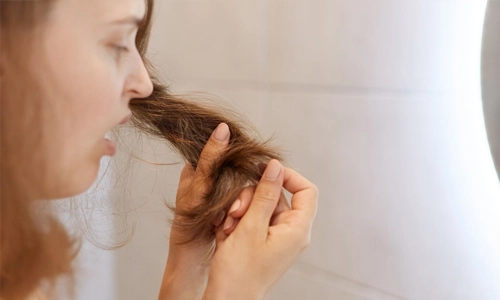
Q: How much hair loss per day is normal?
Losing 50–100 hairs per day is considered within the normal range. These are hairs that have completed their growth cycle and are in the exogen (shedding) phase. You'll notice them on your brush, in the shower drain, or on your pillow. If you're consistently losing more than 150 hairs per day or noticing visible thinning, track it for 2 weeks and consider scheduling a dermatology evaluation.
Q: Can hair loss be reversed?
It depends on the type. Telogen effluvium is almost always fully reversible once the trigger is removed. Androgenetic alopecia can be stabilized and partially reversed with minoxidil, finasteride, or spironolactone, especially when treated early. Scarring alopecias (CCCA, FFA, LPP) cause permanent follicle destruction where hair has been lost — but treatment can halt progression. Alopecia areata has variable outcomes; the newer JAK inhibitors offer the best results for severe cases.
Q: How long does it take to regrow hair?
The hair growth cycle is slow. For telogen effluvium, expect regrowth to begin within 3–6 months of resolving the trigger, with full density recovery by 12–18 months. For minoxidil, expect 4–6 months of consistent use before seeing results. Hair transplants show full results at 12–18 months. Patience is non-negotiable — there are no overnight solutions.
Q: Does biotin really help with hair loss?
Only if you're deficient in biotin — which is genuinely rare. Despite massive marketing claims, biotin supplementation does not improve hair growth in people with normal biotin levels. The evidence for biotin causing measurable hair regrowth in non-deficient individuals is essentially absent. If you want to take it, it's generally safe at common doses (2,500–5,000 mcg), but manage your expectations.
Q: What deficiency causes the most hair loss?
Iron deficiency (specifically low ferritin) is the most common nutritional cause of hair loss in American women. Ferritin below 30 ng/mL is a recognized trigger for telogen effluvium. After iron, vitamin D deficiency is the next most clinically significant. Get both tested with a simple blood panel before spending money on supplements.Q: Is hair loss from stress permanent?
In almost all cases, no. Stress-related telogen effluvium is temporary. Once the stressor resolves and nutritional support is in place, the follicles return to the growth phase on their own. The hair loss feels permanent during the shedding peak, but the follicles remain intact. The exception: if you have genetic susceptibility to AGA, sustained stress-elevated cortisol can accelerate the underlying androgenetic process.
Q: What shampoo is best for hair loss?
No shampoo can regrow lost hair — the active ingredients don't stay on the scalp long enough. However, ketoconazole 1% shampoo (Nizoral) used 2x/week has modest evidence for reducing hair loss in AGA by lowering scalp DHT and reducing inflammation. Beyond that, choose a sulfate-free shampoo appropriate for your scalp type and focus your treatment energy on proven topical or systemic treatments.Q: Can women use minoxidil 5%?
Yes. The 5% formulation is FDA-approved for men, but the 2% was originally what was approved for women. However, dermatologists routinely recommend the 5% formulation (especially the foam) for women, as it's more effective and generally tolerable. The main extra risk is unwanted facial hair growth — which affects a subset of women using 5%. Start with 2% if concerned; the foam formulation has a lower risk of facial hair than the solution.Q: Does PCOS cause hair loss?
Yes. Polycystic ovary syndrome (PCOS) causes elevated androgens — particularly testosterone and DHEA-S — which convert to DHT in follicle cells and drive follicle miniaturization. Women with PCOS often experience hair thinning at the crown and widening part (female-pattern hair loss), along with other androgenic symptoms (acne, irregular periods, excess facial hair). Treating the underlying hormonal imbalance — with spironolactone, oral contraceptives, or metformin — is a key component of hair loss management in PCOS.Q: What is the best treatment for female hair loss?
For female-pattern hair loss, the evidence-based first-line treatments are topical minoxidil (2–5%) and spironolactone (50–200mg/day, especially if androgens are elevated). Rosemary oil is a legitimate natural adjunct. For postpartum TE, the best treatment is simply time, nutritional support, and patience. For alopecia areata in women, topical corticosteroids, intralesional triamcinolone injections, and JAK inhibitors (for severe cases) are the main options. No single treatment works for every type — getting an accurate diagnosis is the most important first step.Q: How do I know if I have androgenetic alopecia vs. telogen effluvium?
Key differences: AGA follows a pattern (widening part/crown thinning in women; receding temples/crown in men) and progresses slowly over years. TE presents as diffuse shedding all over the scalp, often following a specific trigger 2–3 months prior, and is more acute. Both can coexist. A dermatologist can distinguish them with scalp dermoscopy and, if needed, a scalp biopsy or trichogram.
Q: Are hair growth supplements worth it?
Some branded supplements — Nutrafol and Viviscal in particular — have proprietary clinical trials showing modest benefit for general thinning. However, they work primarily by correcting underlying nutritional deficiencies (iron, biotin, marine proteins). If your levels are already optimal, the benefit is minimal. Focus first on getting blood work done to identify actual deficiencies, then correct those specifically before spending on broad-spectrum supplements.Q: Can hair loss be a sign of something serious?
Yes — and this is underappreciated. Sudden, diffuse hair loss can signal: thyroid disease (hypo or hyper), iron deficiency anemia, autoimmune conditions (lupus, alopecia areata), early menopause, and even certain malignancies. If hair loss is accompanied by fatigue, weight changes, joint pain, rashes, or menstrual irregularity — see a doctor before trying home remedies. Hair loss is sometimes the first visible symptom of a systemic condition.Q: What's the fastest way to stop hair loss?
There is no instant fix, but the fastest clinical approach is: (1) identify and eliminate the trigger if it's TE; (2) start minoxidil immediately — it's OTC and has decades of evidence; (3) get blood work done and correct any deficiencies (ferritin, vitamin D, zinc); (4) add a scalp DHT blocker (rosemary oil topically, saw palmetto orally) as a complementary measure; (5) implement daily scalp massage. Within 3–6 months of this regimen, most people with TE or early AGA see stabilization and the beginning of regrowth.Q: Does menopause cause permanent hair loss?
Menopause-related hair loss is not always permanent. The hormonal shift (declining estrogen, relatively higher androgen effect) that drives thinning can be partially addressed through HRT in appropriate candidates, topical minoxidil, and spironolactone. Some follicle miniaturization in long-standing FPHL may be permanent — but even then, treatment can improve density and prevent further loss. Early intervention delivers the best outcomes.
15. Your Hair Loss Action Plan
Hair loss is not something you simply have to accept. Whether you're dealing with stress-triggered telogen effluvium, the slow creep of female-pattern hair loss, postpartum shedding, or something more complex — there's a path forward for nearly every type and stage.
Here's how to take action right now:
| Step | Action | Timeline |
| 1 | Identify your hair loss type — use the symptom guide in Section 6 as a starting point | This week |
| 2 | Get baseline blood work: ferritin, vitamin D, TSH/T3/T4, zinc, B12, CBC | This week |
| 3 | Start daily scalp massage — 4 minutes with rosemary oil in carrier oil | Day 1 |
| 4 | Optimize protein intake and anti-inflammatory eating | This week |
| 5 | Consider adding topical minoxidil 2–5% (OTC) if AGA or persistent TE | After blood work |
| 6 | Book a dermatologist appointment if shedding is rapid or you notice scalp changes | Within 2 weeks |
| 7 | Address the root cause — stress, hormone imbalance, nutritional deficiency | Ongoing |
| 8 | Evaluate results at 6 months — adjust treatment as needed | Month 6 mark |
Natural remedies for hair loss work best when they're part of a comprehensive strategy — not a standalone solution. Rosemary oil won't overcome a severe iron deficiency. Scalp massage won't stop the progression of untreated alopecia areata. The foundation is always: correct diagnosis, address root causes, then layer in targeted natural and clinical tools.
Your hair is telling you something about your health. Listen to it.