Ever looked in the magnifying mirror and felt personally attacked by those tiny dark dots on your nose? You are absolutely not alone. We have all been there—standing in the bathroom, trying every physical trick in the book to pinch them away, only to end up with a bright red nose and a pore that looks even bigger. Finding a safe, effective treatment for blackheads shouldn't feel like a high-stakes puzzle. If you want to know how to remove blackheads at home without destroying your delicate skin barrier, you have officially come to the right place. Let's dive into the ultimate best way to remove blackheads once and for all and get glowing skin.
Understanding Blackheads: How Do They Form?

Before we talk about removing blackheads, we have to understand what we are actually fighting. Blackheads are a type of acne known as open comedones.
They happen when a hair follicle gets clogged with a mixture of dead skin cells and excess sebum (the natural oil your skin produces). The top of the pore stays open to the air. When that trapped oil and debris mix with oxygen, a chemical process called oxidation happens, turning the gunk dark gray or black. It is not dirt trapped in your skin; it is oxidized oil!
Primary Causes:
- Overactive Oil Glands: Genetically high sebum production.
- Hormonal Fluctuations: Spikes during cycles or stress that accelerate oil production.
- Pore-Clogging Products: Heavy, comedogenic makeup and thick creams.
- Poor Cellular Turnover: Dead skin cells stacking up instead of shedding.
While our original guide highlighted just 9 basic tips, we have completely upgraded this masterlist to include 30 deeply detailed home remedies to give you the most comprehensive guide on the internet.
30 Top Home Remedies: How to Remove Blackheads at Home Safely
Note: Always patch-test any raw ingredient on your inner wrist before smoothing it across your face to avoid an allergic reaction.
1. Salt or Sugar Scrub
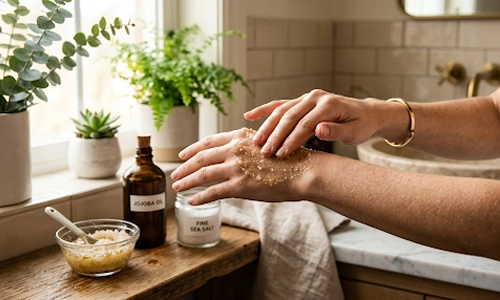
Mix one tablespoon of fine sugar or sea salt with a splash of jojoba oil. Gently massage in small circles to mechanically buff away dead surface skin cells. Do not press hard. Rinse thoroughly with lukewarm water.
2. Tea Tree Oil
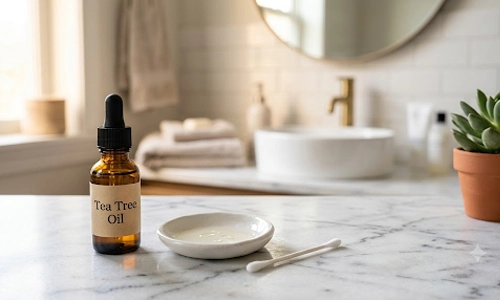
This essential oil is a natural antimicrobial powerhouse. Dilute 1–2 drops of tea tree oil in a carrier oil (like rosehip) and dab it onto problem zones to clear acne-causing bacteria.
Dip a clean cotton swab into the diluted mixture and press it directly onto your blackhead-prone areas. Leave it on overnight and wash your face as normal in the morning.
3. Green Tea
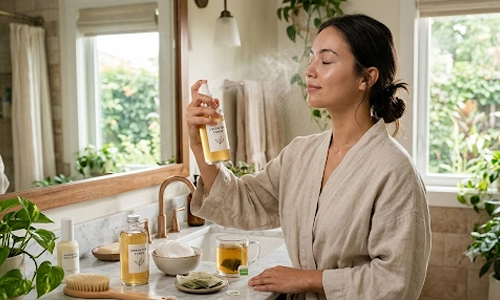
Green tea is packed with antioxidants that lower sebum production. Steep 2 green tea bags in half a cup of boiling water for 10 minutes. Let the liquid cool down completely, then chill it in the fridge.
Pour the chilled tea into a spray bottle and mist your face after cleansing, or apply it using a reusable cotton pad. Let it air dry completely before applying your moisturizer.
4. Honey
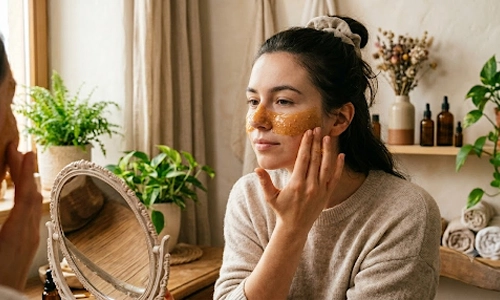
Raw honey is naturally antibacterial and acts as a humectant (drawing hydration into the skin). Spread a thick, sticky layer of raw, organic honey over your nose and cheeks.
Gently pat your fingers up and down over the honey—this creates a mild suction effect that physically helps pull loose debris out of the pore openings. Leave it on for 15 minutes before rinsing.
5. Aloe Vera

Pure aloe vera gel contains salicylic acid naturally. Scrape fresh gel from an aloe vera leaf, or use a 100% pure, stabilizer-free store-bought gel.
Apply a generous layer over your face after washing. Massage it in until absorbed. You can use this daily as a lightweight night mask to steadily dissolve congestion while you sleep.
6. Baking Soda
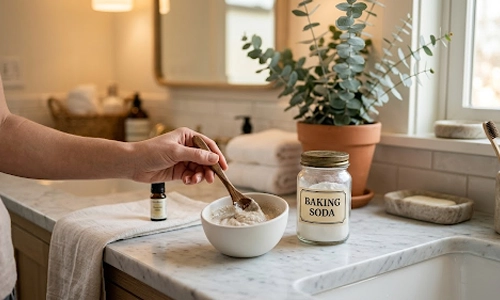
A classic DIY remedy, but use with caution! Mix a tiny pinch with water to form a paste, apply it only to the nose for 2 minutes, and rinse completely. Do not overdo it, as it is highly alkaline. Limit this to once a week max.
7. Cinnamon
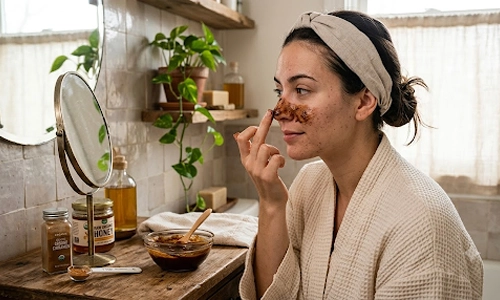
Mix 1 teaspoon of ground organic cinnamon with 1 tablespoon of raw honey until a smooth paste forms.Cinnamon boosts localized blood flow and acts as an astringent to tighten skin surfaces.
Apply this mixture directly onto your blackheads. Leave it on for 10 to 12 minutes. You might feel a slight, warm tingling sensation—that's the circulation boosting! Rinse off thoroughly with warm water.
8. Lemon Juice
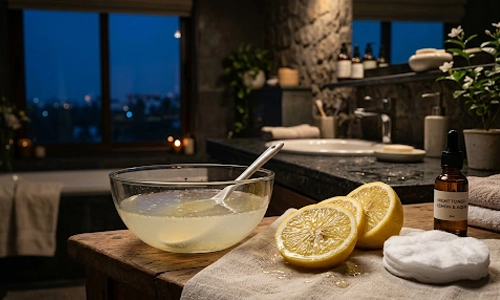
Loaded with citric acid (an Alpha-Hydroxy Acid), lemon juice acts as a natural chemical exfoliant. Dilute it 50/50 with water and apply with a cotton pad at night. Leave it for 10 minutes, then rinse.
Crucial rule: Never wear this into daylight, as citric acid makes your skin highly sensitive to sunburn. Always wear sunscreen the next day!
9. Oatmeal
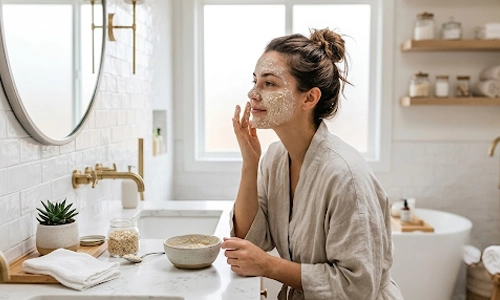
Oatmeal is incredibly anti-inflammatory. Cook half a cup of plain, unsweetened oatmeal in water and let it cool completely. Mix in 1 tablespoon of plain plain yogurt (which contains pore-softening lactic acid).
Slather the cool paste all over your face like a traditional mask. Let it sit for 20 minutes until it sets, then rinse off using circular motions to gently buff away blackheads.
10. Turmeric
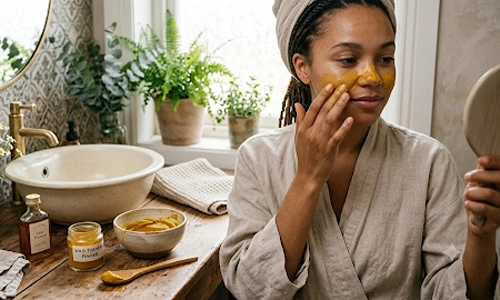
Mix 1 teaspoon of wild turmeric powder with 1 tablespoon of honey or plain water. It calms overactive skin systems and reduces the appearance of large pores.
Apply the golden paste over areas with heavy congestion. Allow it to sit for 15 minutes before rinsing with warm water and a gentle cleanser to ensure no yellow residue is left behind.
11. Coconut Oil
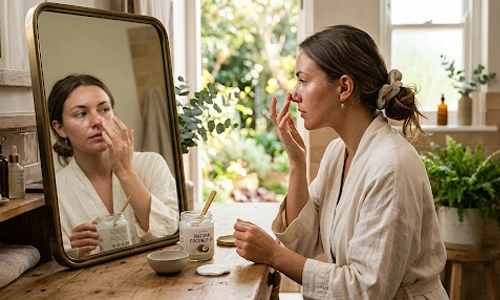
While technically comedogenic for some, coconut oil works for dry skin types via the "like dissolves like" principle. Massaging it gently can loosen hardened sebum plugs.
Warm the oil between your palms and massage it vigorously but gently over your blackheads for 5 full minutes. Wash it off thoroughly using a foaming cleanser to prevent any residue from sitting on top of your pores.
12. Apple Cider Vinegar
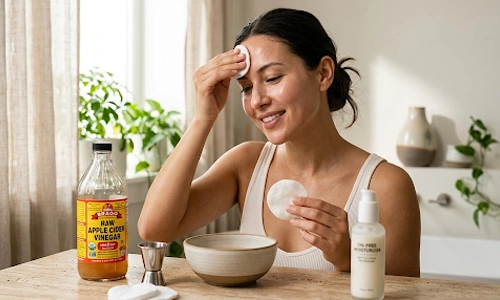
ACV functions as a natural astringent. Mix one part raw ACV with three parts water to balance your skin's natural pH and cut through oily films.
After cleansing, soak a cotton pad in your diluted ACV mixture and wipe it across your T-zone. Let it dry completely without rinsing, then follow up with your favorite oil-free moisturizer.
13. Clay Mask
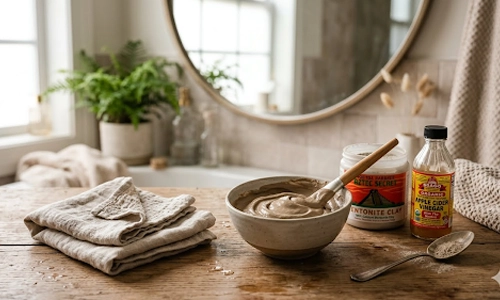
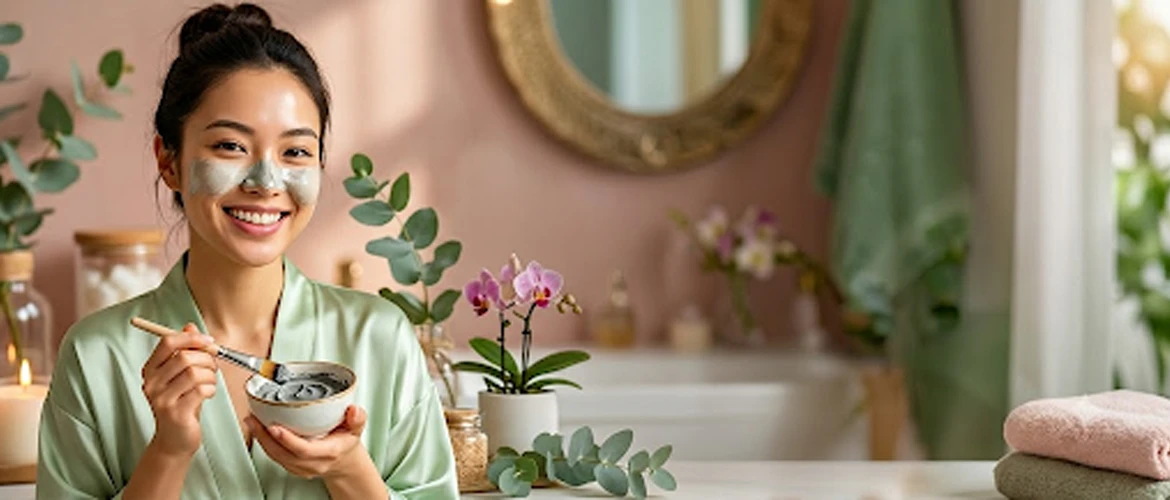
A high-quality bentonite or kaolin clay mask is incredible for deep cleaning. Clay draws out impurities like a magnet. Mix 1 tablespoon of bentonite clay powder with 1 tablespoon of water or apple cider vinegar until it looks like a thick mousse.
Paint a smooth layer over your face. Let it dry for 10–15 minutes until it tightens up. Rinse with warm water by holding a warm, wet washcloth over your face to melt the clay first.
14. Neem
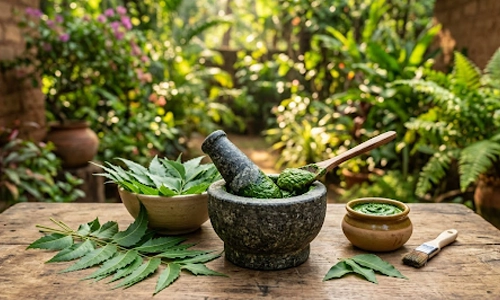
Neem leaves are deeply antibacterial. It contains nimbin and nimbidin, compounds that feature incredible anti-inflammatory and antiseptic traits to purify angry pores.
Grind a handful of fresh neem leaves with a splash of water into a thick green paste(or use pure neem powder mixed with water). Apply the paste directly to the affected areas. Let it dry completely for 15 to 20 minutes, then rinse away with cool water.
15. Fuller's Earth
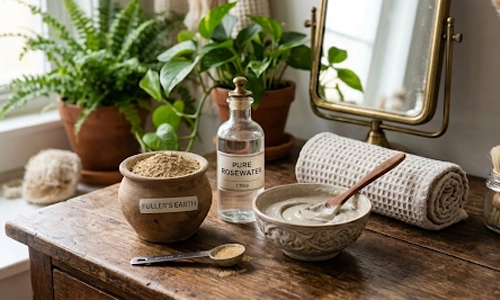
A holy grail for oily skin. It actively absorbs excess oil secretion, making it a stellar method for how to treat blackheads across the T-zone.
Mix 1 tablespoon of Fuller’s Earth with 1 tablespoon of pure rosewater. Spread an even layer across your oily zones. Let it sit for 15 minutes before rinsing. Your skin will instantly feel matte, velvety, and smooth.
16. Cornstarch
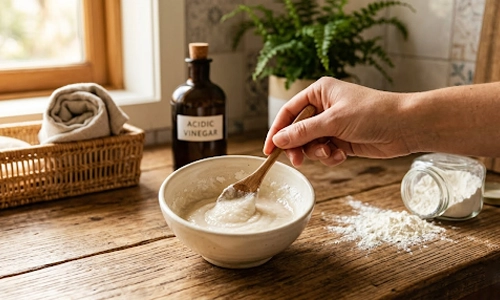
Cornstarch acts like a super-fine blotting powder that physically absorbs trapped sebum from the very entrance of the hair follicle without stripping moisture from the surrounding skin barrier.
Mix cornstarch with a splash of vinegar to form a paste. Let it dry over the blackheads for 15 minutes before rinsing with lukewarm water to pull up loose debris.
17. Egg Whites
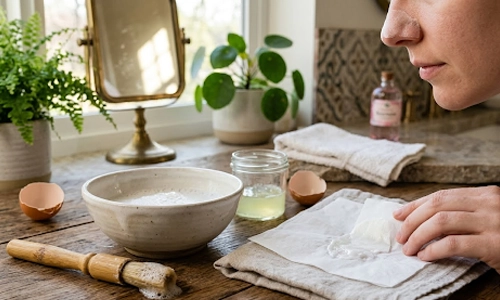
Egg whites are rich in albumin, a protein that actively constricts skin tissue and tightens up surface pores while lifting surface debris as it transitions from a liquid to a hard film.
Whisk an egg white until frothy, paint it onto your nose, layer a clean tissue over it, and paint another layer of egg white. Once bone-dry, peel it off for an easy, completely natural pore strip.
18. Tomatoes
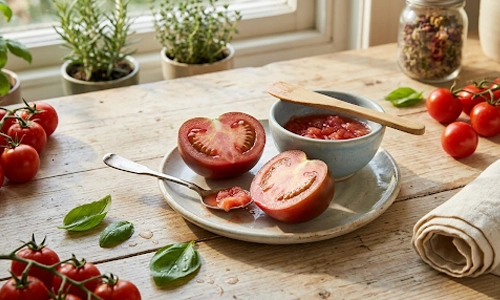
Tomatoes are naturally rich in vitamins A and C, alongside citric acid. Cut a ripe tomato in half and scoop out the fresh, juicy pulp.
Rub the tomato pulp directly over your blackhead zones, or mash it up and apply it as a mask. Leave it on for 15 minutes so the natural acids can do their work, then rinse thoroughly.
19. Charcoal
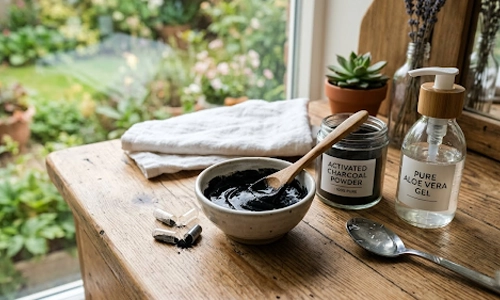
Activated charcoal undergoes an activation process that increases its porosity. Empty 2 capsules of activated charcoal powder into a small bowl and mix it with 1 tablespoon of pure aloe vera gel.
Gently massage the black gel onto your nose, chin, and forehead. Let it dry for 15 minutes, then rinse it off using warm water.
20. Almond Oil
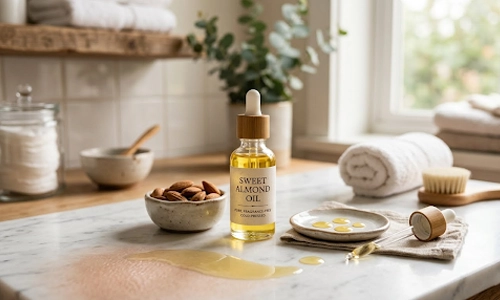
Sweet almond oil contains fat-soluble vitamins that break down hardened sebum plugs gently without triggering breakouts. Use 4–5 drops of pure, non- fragrance, sweet almond oil.
After streaming your face, press the oil directly into your blackhead zones. Use firm, upward circular motions with your fingertips to work the oil deep into the skin texture for 3 minutes before cleansing.
21. Sandalwood Mask
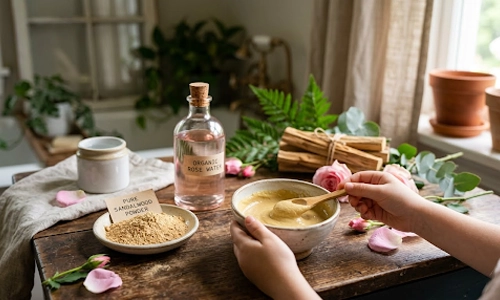
Sandalwood powder is celebrated for its cooling, soothing, and anti-microbial nature. It acts as a gentle skin-toning agent that calms inflammation while soaking up surface grease.
Mix sandalwood powder with rose water. Apply the smooth paste to clean skin. Let it rest for 15–20 minutes until dry, then rinse with cool water. This works brilliantly to take the redness out of irritated skin.
22. Strawberry
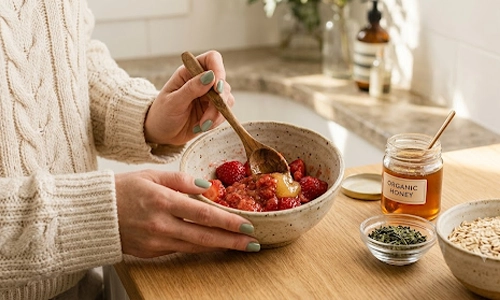
Strawberries are packed with natural salicylic acid! Mash 2 ripe strawberries and mix them with 1 teaspoon of raw honey.
Spread the fruity mash over your face, paying special attention to your nose. Let it rest for 12 minutes. The seeds will also act as a very soft manual scrub when you rinse it away.
23. Chocolate & Sugar
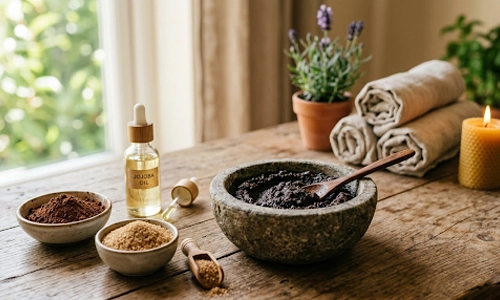
Pure cocoa powder is packed with antioxidants that defend your skin against environmental damage, while fine brown sugar clears out dead surface buildup.
Mix 1 tablespoon of unsweetened cocoa powder with 1 tablespoon of fine brown sugar and 1 tablespoon of jojoba oil. Apply to a damp face and scrub in light, circular patterns for 1 minute. Leave it on for an extra 5 minutes as an antioxidant mask treatment before rinsing.
24. Rose Petals & Oats
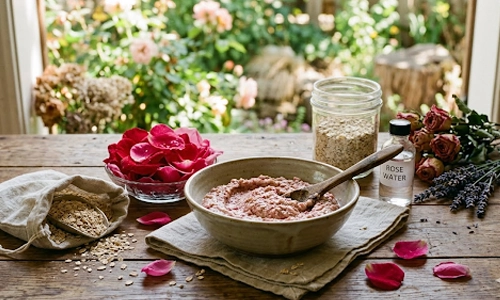
Rose petals are natural astringents that balance skin oils, while oats protect and repair a damaged skin barrier.
Soak clean rose petals in water, grind them down, and mix with ground oats. Apply the paste evenly across your face. Allow it to sit for 15 minutes, then rinse off while massaging gently to exfoliate rough patches.
25. Castor Oil
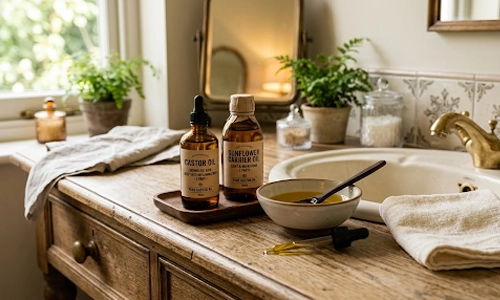
Rich in ricinoleic acid, castor oil has deep anti-inflammatory properties. Use it for oil cleansing to draw out deep-seated plugs. Mix 1 part castor oil with 2 parts light carrier oil (like sunflower oil) to make it easy to spread.
Massage the oil blend into dry skin for 3–5 minutes. Place a warm, damp washcloth over your face for 60 seconds to let the steam unlock your pores, then gently wipe the oil away.
26. Jojoba Oil
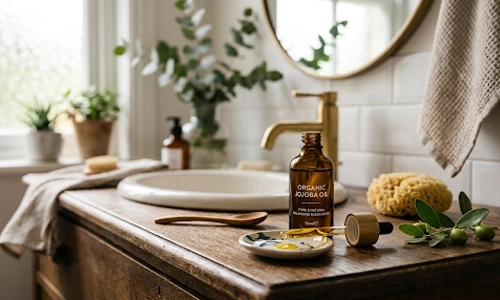
Jojoba oil mirrors your skin's natural sebum composition perfectly. Take 3–4 drops of organic jojoba oil. Use it daily as your evening moisturizer.
Massage it into clean, damp skin. Over a couple of weeks, you will notice your skin looks much more balanced and significantly less shiny.
27. Fenugreek
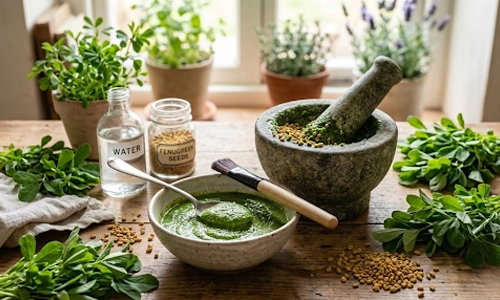
Fenugreek contains powerful antioxidant, anti-inflammatory, and emollient properties that soothe hyper-reactive skin systems and prevent old blackheads from turning into cystic breakouts.
Grind fresh fenugreek leaves with water into a smooth paste. Apply it daily for 10 minutes to help soothe underlying inflammation.
28. Facial Steam
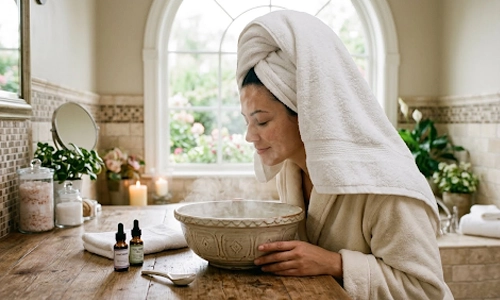
Facial steam opens up the pathways of your pores by softening the hardened plug of oil inside them. Fill a large bowl with boiling water. You can add a drop of lavender or tea tree oil if you want a spa vibe.
Hold your face 10–12 inches above the bowl with a towel draped over your head to catch the steam. Steam for 5 to 8 minutes max.
29. Milk
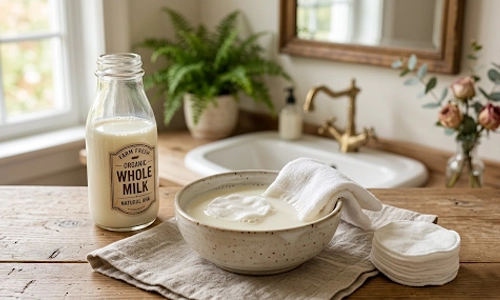
Milk contains lactic acid, a gentle Alpha-Hydroxy Acid (AHA) that dissolves the cellular glue holding dead skin cells down inside your pores. Pour 2 tablespoons of whole milk or buttermilk into a bowl.
Soak a clean cotton washcloth or cotton pads in the milk and lay them over your nose and cheeks for 15 minutes. Rinse with cool water.
30. Coffee
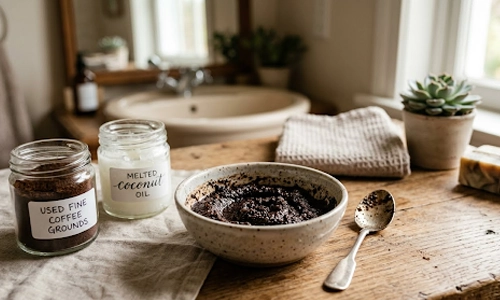
Finely ground coffee grounds offer physical exfoliation mixed with caffeine, which temporarily constricts blood vessels to make pores look significantly smaller. Mix 1 tablespoon of used, fine coffee grounds with 1 tablespoon of melted coconut oil or honey.
Massage onto your nose and cheeks using gentle circular motions for 60 seconds. Let it sit for 5 minutes before rinsing away completely.
Additional Tips for Preventing Blackheads
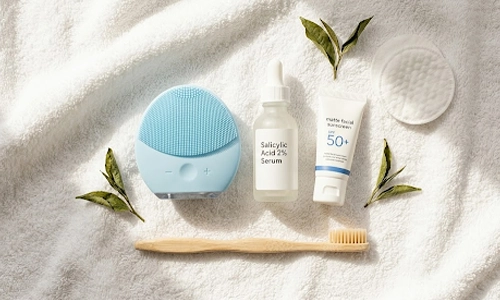
If you want a true treatment for blackheads, you have to think long-term. Getting rid of them once is great, but stopping them from coming back is the ultimate goal.
- Cleanse Daily: Wash your face twice a day with a gentle, non-stripping cleanser. Skipping your evening wash leaves a full day of makeup, pollutant buildup, and sebum to settle into your pores overnight.
- Apply Blackheads-Clearing Topicals: Incorporate an over-the-counter leave-on serum containing 2% Salicylic Acid (BHA). Because salicylic acid is oil-soluble, it can penetrate deep inside the oily environment of your pore to dissolve clogs from the inside out.
- Use a Brush to Clean and Exfoliate: A soft silicone sonic facial brush helps your cleanser reach deeper into textural divots than your fingertips alone ever could.
- Use Sun-Protection: UV rays break down collagen and elastin, causing pore walls to sag and stretch open. When a pore loses its structural tightness, it clogs far more easily. Always wear a lightweight, fluid SPF 30+.
- At-Home Pore Strip: Use pore strips sparingly (no more than once every two weeks) to lift superficial plugs in 5 minutes. Always follow up with an alcohol-free toner to soothe the skin.
What Not to Do
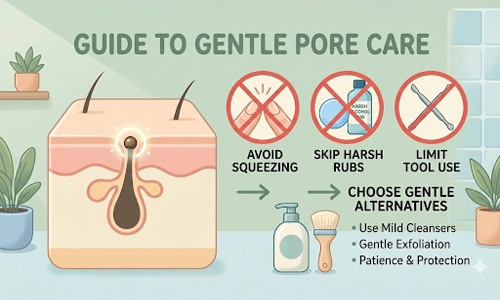
When you are dealing with a how to remove deep blackheads scenario or trying to wiggle out a how to remove blackhead that won't come out stubborn clog, avoid these dangerous skin traps:
- Do Not Squeeze with Naked Fingernails: Squeezing pushes bacteria deeper into the dermis, causing tissue damage, broken capillaries, and permanent scarring.
- Avoid Harsh Alcohol Rubs: Stripping your skin dries it out completely, forcing your oil glands into overdrive to compensate, which generates more blackheads.
- Do Not Use Metal Extraction Tools Carelessly: Without professional training, press-and-drag metal tools can slice your skin and cause long-lasting pigmentation damage.
When to Seek Medical Help?
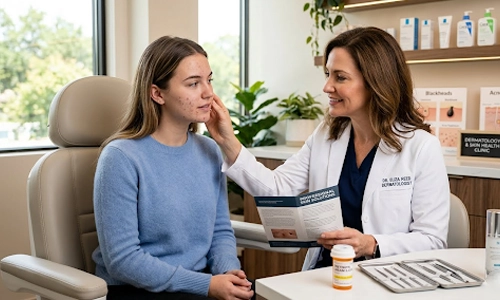
If your blackheads are widespread, painful, or consistently turning into deep cystic acne, it is time to put down the kitchen ingredients and book a dermatologist blackhead removal session.
A licensed dermatologist can prescribe professional-grade topical retinoids (like Tretinoin) to accelerate cellular turnover, perform sterile clinical extractions, or recommend medical-grade chemical peels to reset your skin health completely.
Your Final Glow-Up Checklist!
Learning how to remove blackheads at home is all about patience, consistency, and treating your skin like silk rather than sandpaper. By swapping out aggressive pinching for intelligent oil-dissolving remedies—like a soothing clay mask, gentle exfoliation, or a dedicated salicylic acid blackhead treatment—you will pave the way for a smooth, beautifully radiant complexion. Pick one or two gentle remedies from our list to try tonight, stay consistent, and watch your skin transform!