You eat reasonably well, squeeze in exercise when you can, and try to stay consistent. Yet that stubborn belly fat doesn't seem to budge. If this sounds familiar, you're not alone.
You can lose belly fat over time by combining balanced meals, regular movement, strength training, and enough sleep. You don't need expensive supplements, extreme diets, or hours at the gym. You need a realistic approach that fits your life.
Why Is Belly Fat So Hard to Lose?

Belly fat can be frustrating because your body doesn't choose where to lose fat first. You might notice changes in your face, arms, or legs before seeing a difference around your waist. Several factors can influence how much fat your body stores around your middle.
- Age and hormonal changes: As women get older, declining estrogen levels around menopause can affect where the body stores fat.
- Genetics: Your genes influence your natural body shape and where you tend to accumulate fat.
- Eating habits: Frequently consuming more energy than your body uses can contribute to weight gain, including around the abdomen.
- Reduced physical activity: Long hours sitting at work or managing household responsibilities can leave little time for movement.
- Poor sleep: Inadequate sleep is associated with weight gain and can make healthy routines harder to maintain.
- Stress: Ongoing stress may affect sleep, appetite, and eating habits, making weight management more challenging.
Age, genetics, calorie balance, and hormonal changes can all influence abdominal fat. That means your belly isn't necessarily a reflection of how hard you're trying.
How to Lose Belly Fat Without Turning Your Life Upside Down
You don't need to change everything at once. Start with habits you can maintain even during a busy week.
1. Build Balanced Meals Instead of Following Crash Diets
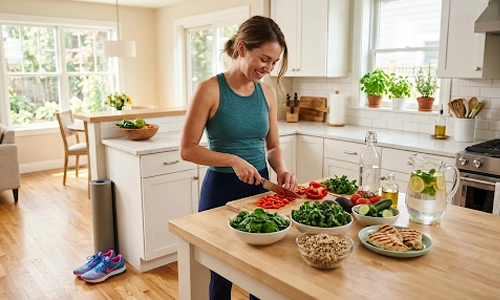
Skipping meals or surviving on salads might seem like a quick way to lose weight, but extreme restrictions can be difficult to maintain and may leave you feeling tired and hungry. Instead, aim for balanced meals that include protein, fiber-rich carbohydrates, vegetables, and healthy fats.
For example, you could have:
- Breakfast: Eggs with whole-grain toast, or oatmeal with yogurt and fruit.
- Lunch: Rice or whole grains with dal, vegetables, and a protein source such as tofu, paneer, fish, or chicken.
- Dinner: Vegetable-rich soup with beans and whole-grain bread, or a balanced home-cooked meal with vegetables and protein.
- Snacks: Fruit, plain yogurt, roasted chickpeas, or a small handful of nuts.
You don't need to eliminate rice, potatoes, or bread. Pay attention to portions, choose nutrient-rich foods more often, and find meals that keep you satisfied.
2. Know What to Eat to Lose Belly Fat
No single food melts abdominal fat. However, choosing filling, nutrient-dense foods can make it easier to manage your overall calorie intake and support your health.
| Food group | Affordable options | Why they help |
| Protein | Eggs, dal, beans, yogurt, tofu | Helps keep meals satisfying and supports muscle maintenance |
| Fiber-rich foods | Oats, vegetables, fruit, beans | Supports fullness and digestive health |
| Whole grains | Oats, whole-wheat bread, millets, brown rice | Provide fiber and useful nutrients |
| Healthy fats | Nuts, seeds, olive or other unsaturated oils | Support normal body functions and add satisfaction to meals |
| Low-sugar drinks | Water, unsweetened tea | Help replace sugary drinks without adding much energy |
Try one small change first. If you drink sugary beverages every day, replace one serving with water or an unsweetened alternative. If your lunch rarely includes vegetables, add a serving.
3. Walk More Often, Even If You Can't Get to the Gym

Wondering how to burn belly fat when you barely have time to exercise? Start by moving more throughout your day. Walking is accessible, requires little equipment, and can fit into an ordinary schedule.
Try these options:
- Take a 10-minute walk after a meal when convenient.
- Walk while making phone calls.
- Use the stairs when practical.
- Take a short walking break during a long workday.
- Go for a brisk walk with a friend or family member.
Gradually work toward at least 150 minutes of moderate-intensity aerobic activity each week, provided your health allows it. You can divide that time into shorter sessions rather than completing it all at once.
4. Add Strength Training to Your Weekly Routine
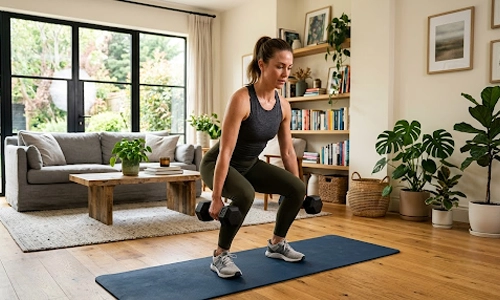
Walking supports cardiovascular health, but strength training also deserves a place in your routine. Building and maintaining muscle helps you stay strong as you age. Resistance exercise can also support reductions in visceral fat, the fat stored deep within the abdomen around internal organs.
Start with two sessions per week if that suits your fitness level. Depending on your ability, exercises might include:
- Squats or chair squats
- Wall push-ups
- Resistance-band rows
- Glute bridges
- Light dumbbell exercises
You can also use body-weight exercises at home. Begin with movements you can perform safely and increase the difficulty gradually. Strength training and abdominal exercises strengthen muscles, but they cannot selectively burn the fat covering those muscles.
5. Understand How to Lose Lower Belly Fat

The lower abdomen can be a particularly frustrating area for many women. Even when other parts of the body change, this area may seem to hold on to fat.
You cannot reliably target fat loss in just your lower belly. Exercises such as leg raises, planks, and reverse crunches can strengthen your abdominal muscles, but they won't specifically remove the fat above them. To reduce lower belly fat, focus on habits that support overall fat loss:
- Eat balanced meals with adequate protein and fiber.
- Combine regular walking or other aerobic activity with strength training.
- Reduce sugary drinks and frequent high-calorie extras if they contribute to excess intake.
- Get enough sleep and create a manageable way to unwind.
- Give your body time to respond rather than expecting changes in a few days.
A lower-belly curve is normal for many women. Your abdomen doesn't have to be completely flat for you to be healthy.
6. Don't Confuse Bloating With Belly Fat
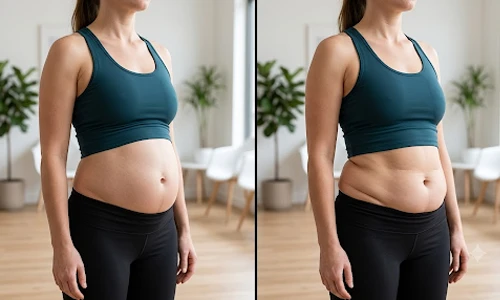
Does your stomach look flatter in the morning but feel larger by evening? That change may involve bloating rather than an increase in body fat. Gas, constipation, certain foods, and hormonal fluctuations can all affect how your abdomen feels and looks.
If bloating is the issue, try noticing whether certain foods or eating patterns trigger discomfort. Eat at a comfortable pace, drink enough water, and increase fiber gradually if your current intake is low.
Avoid unnecessarily cutting out entire food groups. If bloating is persistent, painful, or accompanied by other concerning symptoms, speak with a healthcare professional. Bloating and body fat are different issues, so they may need different approaches.
What Are the Causes of Lower Belly Fat in Females?

There isn't one universal explanation for lower abdominal fat in women. Several factors can overlap.
- Hormonal changes: Estrogen levels change during perimenopause and menopause, and fat distribution may shift toward the abdomen.
- Pregnancy and postpartum changes: Pregnancy can change abdominal muscles, skin, and body-fat distribution. Recovery takes time, and persistent abdominal separation may need professional assessment.
- Age-related muscle loss: Muscle mass tends to decline with age, particularly without regular resistance exercise.
- Genetics and natural body shape: Some women naturally carry more fat around their abdomen than others.
- Lifestyle and energy balance: Food intake, movement, sleep, and other habits influence body weight and fat storage.
If your abdomen becomes noticeably larger without an obvious explanation, or you experience persistent swelling, pain, menstrual changes, or other new symptoms, don't assume it's simply fat. Seek medical advice to understand the cause.
Does Stress Really Make Belly Fat Harder to Lose?

Stress doesn't automatically cause belly fat, but it can make weight management more difficult. When you're juggling work deadlines, family needs, errands, and personal responsibilities, exercise and meal planning may be the first things to disappear from your schedule. Stress can also affect sleep and eating patterns. Instead of trying to eliminate stress completely, look for small ways to manage it.
- Take five minutes for slow breathing or quiet time.
- Keep a few easy meals available for hectic days.
- Set a realistic bedtime when possible.
- Ask for help with household responsibilities when you can.
- Choose movement that helps you feel better rather than treating exercise as punishment.
How Long Does It Take to See Results?

There's no universal timeline for losing belly fat. Your starting point, genetics, hormones, health, activity level, and eating habits all affect the process. You may notice improvements in energy, strength, stamina, or how your clothes fit before you see a dramatic change in your waistline. Rather than checking your stomach every day, look for progress over several weeks. You can track changes through:
- How consistently you move during the week
- Whether your strength or stamina improves
- How your clothes fit over time
- Waist measurements taken occasionally under similar conditions
- Improvements in your everyday energy and routines
If you choose to measure your waist, use the same location and method each time. Remember that a single measurement doesn't tell the whole story about your health. Avoid crash diets, detox teas, fat-burning supplements, or promises of a flat stomach in seven days. Quick fixes often make promises that the evidence doesn't support.
Your Simple Seven-Day Belly Fat Habit Reset

Use this plan to establish a few manageable habits that you can continue afterward.
- Day 1: Add a protein source to breakfast.
- Day 2: Take a 10-minute walk during a convenient part of your day.
- Day 3: Include vegetables or fruit with more of your meals.
- Day 4: Try a short, beginner-friendly strength workout if you're ready.
- Day 5: Replace one sugary drink with water or an unsweetened drink.
- Day 6: Make time for a relaxing activity and a consistent bedtime.
- Day 7: Review what worked and choose two or three habits to continue next week.
Adapt the plan to your fitness level, health needs, and schedule. If you miss a day, simply begin again. This is about building consistency, not achieving a perfect score.
Frequently Asked Questions
What is the fastest way to lose belly fat?
There is no reliable instant solution. Consistent eating habits, aerobic activity, strength training, and adequate sleep can support gradual fat loss.
Can I lose lower belly fat without exercise?
Dietary changes may support weight loss, but regular physical activity benefits overall health and helps with weight management. Choose activities suited to your ability.
Which foods should I avoid to lose belly fat?
You don't need to ban specific foods. Limit sugary drinks and reduce frequent high-calorie, highly processed foods if they contribute to excess energy intake.
Do crunches burn belly fat?
Crunches strengthen abdominal muscles but do not selectively burn abdominal fat. Combine core exercises with full-body movement and balanced eating.
Why do I have lower belly fat even though I'm not overweight?
Genetics, natural body shape, hormonal changes, and the distribution of body fat can all contribute. If your abdomen changes unexpectedly or you have persistent symptoms, seek medical advice.
Does walking help reduce belly fat?
Yes. Regular brisk walking can support overall fat loss and help reduce visceral fat when combined with other sustainable lifestyle habits.
Learning how to lose belly fat isn't about punishing yourself for having a certain body shape. It's about understanding your body and choosing habits that support your long-term health.
Eat balanced meals, move regularly, include strength training, prioritize sleep, and give yourself time. You don't have to spend a fortune on fitness programs or overhaul your entire life to get started. And remember, your worth isn't measured by your waistline. A healthier routine should help you feel stronger and more confident, not make you feel guilty about your body.