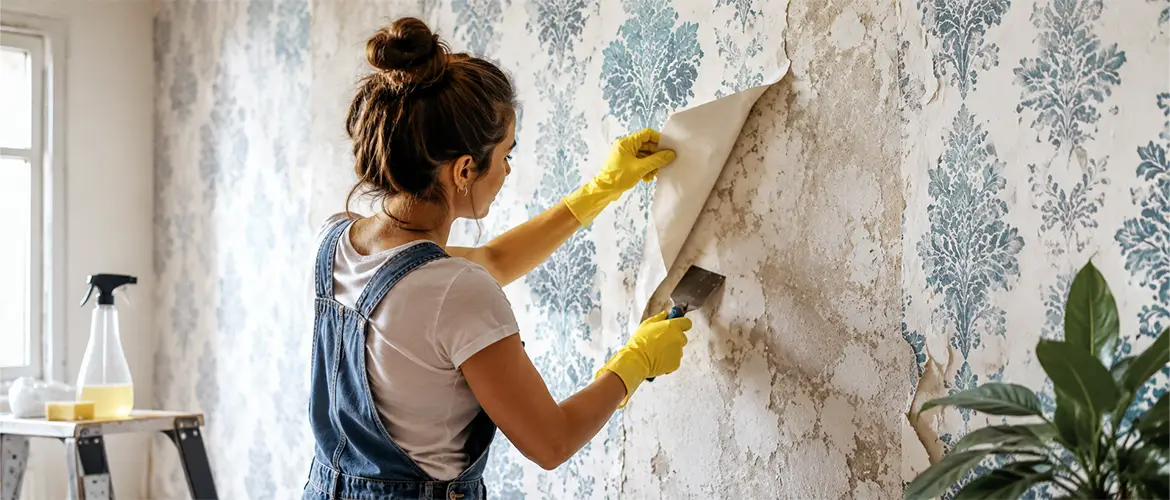
You already have a mile-long to-do list, and wrestling with stubborn, peeling wallpaper shouldn't eat up your one free weekend. If you are staring at those outdated walls and wondering how to remove wallpaper without damaging your drywall—or your sanity—the secret isn't elbow grease. It is a scoring tool and hot water mixed with liquid fabric softener. Put down the scraper. We are going to let science do the heavy lifting so you can get your time back.
So, How to Remove Wallpaper Without Ruining My Walls?
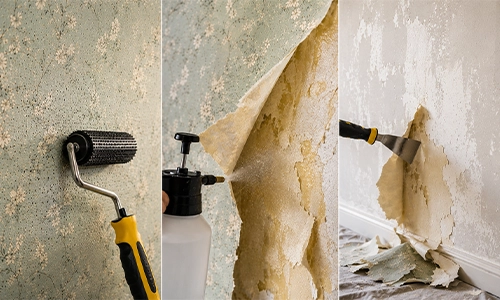
The secret to saving your drywall isn't muscle; it's moisture. If you try to dry-scrape traditional wallpaper, you will inevitably gouge the drywall beneath it, leading to hours of patching and sanding. The goal is to perforate the paper so moisture can seep behind it and dissolve the glue. Once that glue breaks down, the paper glides right off.
What Do I Actually Need in My Toolkit?
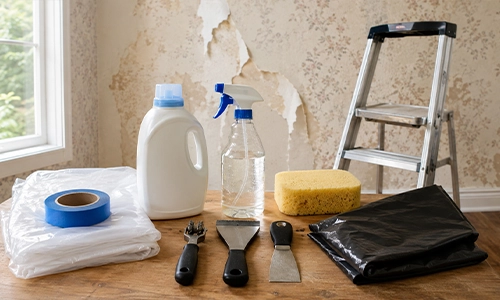
You don't need expensive chemical strippers for most residential jobs. Keep your money and gather these basics from around your house or local hardware store:
- A wallpaper scoring tool: This is a small, cheap handheld tool with little wheels that poke tiny holes in the paper.
- Liquid fabric softener: Mixed with hot water, this is the ultimate glue-dissolving potion.
- A spray bottle or a large sponge: To apply your hot mixture.
- A putty knife or wallpaper scraper: Go for metal with rounded edges to prevent wall gouging.
- Plastic drop cloths and painter's tape: It will get wet and messy, so protect those baseboards!
- Trash bags: Lots of them.
Walk Me Through It: The 4-Step Method
1. Prep the Zone (And Protect Your Floors)
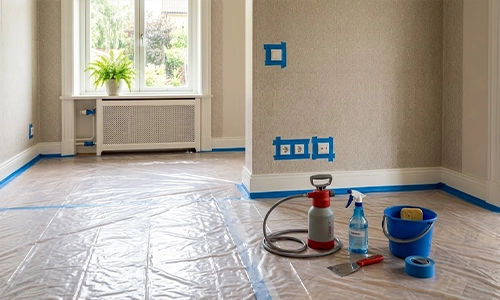
Tape plastic drop cloths to your baseboards. Turn off the electricity to the room and tape over your electrical outlets—you are going to be spraying a lot of water, and safety comes first.
2. Score the Surface
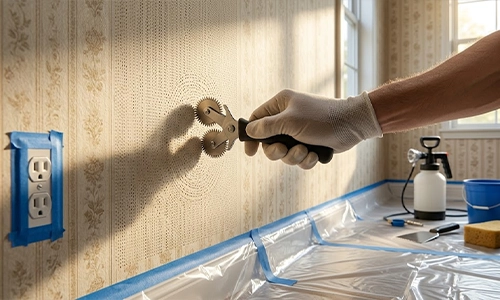
Take your scoring tool and rub it in circles all over the wall. Press firmly enough to puncture the paper, but gently enough not to dig into the drywall underneath.
3. Apply the Magic Potion
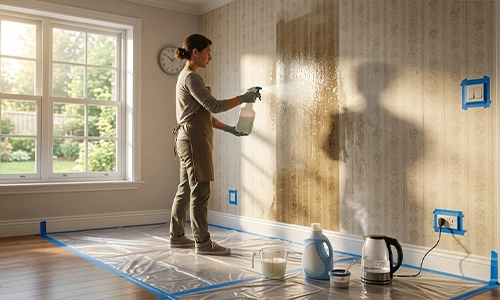
Mix equal parts boiling hot water and liquid fabric softener in a spray bottle. Spray a 3-foot section of the wall until it is completely saturated. Wait 15 minutes. Do not skip the wait time! This is when the glue actually dissolves.
4. Scrape and Peel
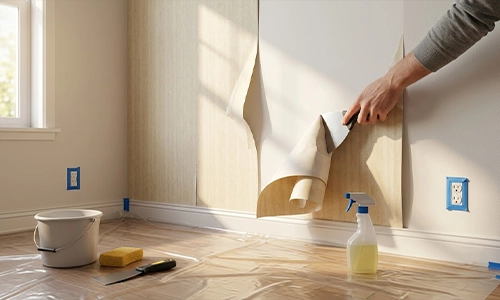
Slide your putty knife gently under a seam or a scored edge. Lift the paper up and peel it back at a 45-degree angle. If it resists, spray it again and wait 5 more minutes.
Which Removal Method Is Actually Best?
If the fabric softener trick isn't cutting it (usually because of multiple layers or heavy vinyl), you might need to pivot. Here is how the top methods compare:
| Method | Best For | Cost | Mess Level |
| Hot Water & Fabric Softener | Standard paper, single layers | Low (Under $15) | Medium (Soggy paper) |
| Wallpaper Steamer | Stubborn, painted-over, or old paper | Medium ($20-$50 rental) | High (Lots of dripping water) |
| Chemical Strippers | Heavy duty vinyl, commercial paper | Medium ($10-$20/bottle) | Low (But strong fumes) |
FAQs
Can I just paint over my wallpaper?
Technically yes, but it is highly discouraged. The moisture from the paint can cause the wallpaper glue to bubble, leaving you with textured, peeling walls that look terrible and are even harder to fix later.
Do I have to wash the walls after removing the paper?
Yes! You must remove the leftover glue residue, or your new paint will eventually flake off. A sponge with warm water and a little dish soap works perfectly.
How do I know if I have "strippable" wallpaper?
Find a loose corner and pull gently. If the whole sheet pulls off in one long strip without leaving a paper backing, you are incredibly lucky—you have strippable paper. No scoring required!
What if my wallpaper has been painted over?
You will definitely need to score the wall much heavier, and you might want to rent a wallpaper steamer. The paint creates a water-tight seal, making it incredibly hard for liquids to reach the glue.
How long does a standard bedroom take?
Expect to spend a full day (about 6 to 8 hours) on a medium-sized bedroom if you are working alone.
What Is the Easiest Way to Remove Old Wallpaper?
The easiest method depends on the wallpaper type, but soaking or steaming the paper can help loosen the adhesive and make stubborn wallpaper easier to peel away.
Can You Remove Wallpaper Without Damaging Drywall?
Yes. Work slowly and avoid aggressively scraping the surface. Applying moisture or steam to loosen the adhesive can reduce the chance of pulling away the drywall’s paper layer.
Does Vinegar Help Remove Wallpaper?
A diluted vinegar solution can help soften some wallpaper adhesives, particularly when dealing with older wallpaper. Test it on a small area first to avoid damaging the wall surface.
How Do You Remove Wallpaper Glue From Walls?
After removing the wallpaper, use warm water and a sponge to soften leftover adhesive. Gently scrape away the residue and allow the wall to dry completely before painting.
Should You Paint Over a Wall After Removing Wallpaper?
Usually, the wall should be cleaned, repaired and primed before painting. This helps cover minor imperfections and creates a more even surface for the new paint.
Updating your home shouldn't leave you in tears on a pile of sticky paper. Protect your floors, mix up your hot water potion, and remember: patience is your best tool here. Let the water do the work, put on a great podcast, and get ready to finally see those beautiful bare walls!