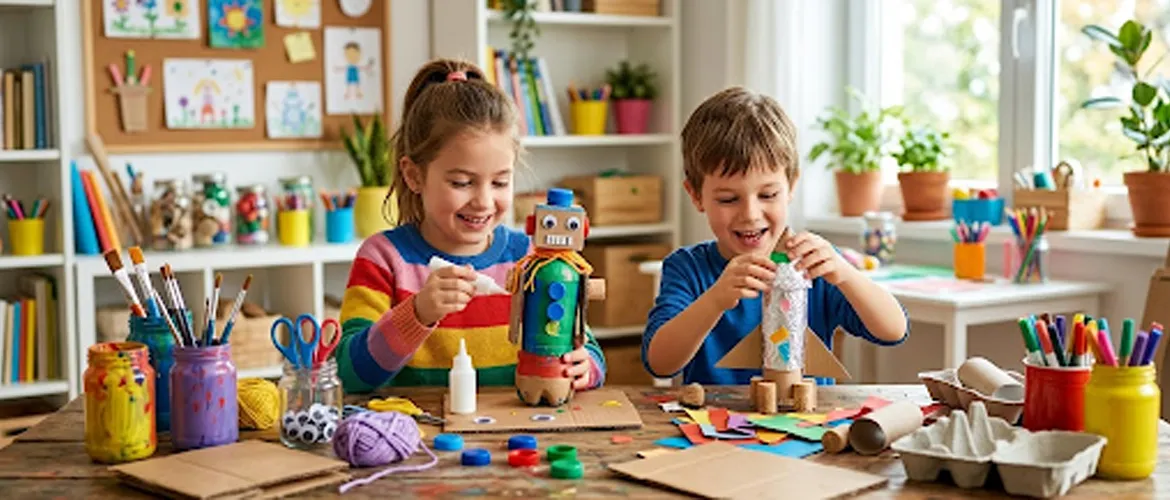
Kids are tiny, adorable clutter magnets. One minute you’re enjoying a clean house, and the next, your living room has been completely taken hostage by an absolute avalanche of plastic toys, outgrown clothes, and half-broken crayons. Yesterday afternoon, I went to grab a coffee mug and a mountain of mismatched plastic juice cups and finger-paint projects literally buried my countertops. I just stood there staring at the mess and realized: we don't need a bigger house, and I definitely don't need to buy more storage bins. We just need to stop throwing money away and start reusing what we have. That exact moment of peak domestic chaos was my wake-up call to creatively recycle things rather than letting the clutter swallow us whole. Welcome to the definitive, zero-fluff kids’ edition of reclaiming your space.
Recycling, Reusing, and Upcycling: What Is the Difference?
These words are often used together, but they mean different things.
Recycling means a material is collected and processed into a new product.
Reusing means using an item again instead of throwing it away.
Upcycling means turning an old or unwanted item into something useful, creative, or more valuable.
This guide focuses mainly on reusing and upcycling everyday kid clutter, from broken crayons and cardboard boxes to outgrown clothes and craft leftovers.
Why You Should Recycle Things ?
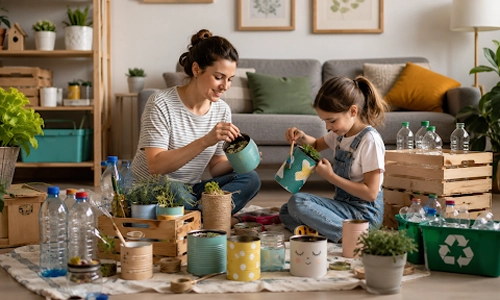
We've been conditioned to think that organizing means buying more aesthetic plastic bins from Target. But buying more plastic to solve a plastic problem is a losing game. Choosing to recycle things isn't about achieving eco-perfection or living a zero-waste, minimalist lifestyle overnight. It's about asset management.
Every outgrown item in your house is a resource you already paid for. By turning upcycling into a game, you aren't just saving the planet; you are actively teaching your kids resourcefulness while saving your own sanity (and bank account).
Parent Safety Note
Choose clean, dry materials and age-appropriate craft supplies. Adults should handle heat, sharp tools, hot glue, sewing needles, and small items that may be choking hazards. Check cardboard boxes for staples, sharp edges, or damaged tape before children play with them.
| Item | Best Next Step |
| Broken crayons | Upcycle into new multicolour crayons |
| Clean cardboard boxes | Reuse for forts, pretend play, or storage |
| Outgrown clothes in good condition | Donate, swap, or pass down |
| Sentimental stained clothes | Turn into a pillow, patch, or memory quilt |
| Usable toys and books | Donate or organise a toy swap |
| Paper scraps and cards | Use for collages, bookmarks, or gift tags |
| Damaged plastic toys | Check local recycling rules before disposal |
3 Anti-Boredom Ways to Upcycle the Playroom Chaos
Before you throw everything into a giant trash bag in a fit of rage, let’s talk strategy. Here are three incredibly cool, actually useful ways to transform the wreckage into something fresh.
1. The Broken Crayon Rainbow Melt
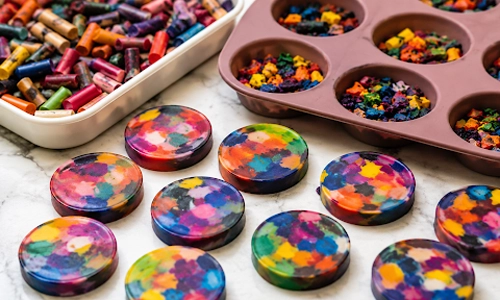
Those stubborn, stubby crayon fragments at the bottom of the toy bin? Stop throwing them out. Peel the paper off, break them into tiny pieces, and drop them into a silicone baking mold. Bake at 120°C (250°F) for 15 minutes. Once cooled, you have giant, multicolored disc crayons that look like expensive boutique toys but cost you exactly zero dollars.
Make a Broken Crayon Rainbow
Do not throw away small crayon pieces. Remove the paper wrappers, break the crayons into small pieces, and place them in a silicone mould.
An adult should handle any heat source. A hair dryer can be used for a lower-heat craft option, or follow the crayon manufacturer’s instructions for oven use. Let the crayons cool fully before children remove them from the mould.
The result is a colourful, chunky crayon that feels brand new and gives tiny fragments a second life.
2. Cardboard Box Architecture
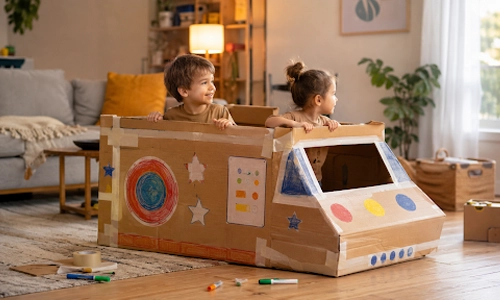
Online shopping delivery boxes are free real estate. Before they hit the curb, hand your kids some non-toxic markers, safety scissors, and painters tape. A massive box isn't trash; it’s a spaceship, a drive-through window, or an indoor fort that will buy you two solid hours of silence.
3. Sentimentality, Upcycled
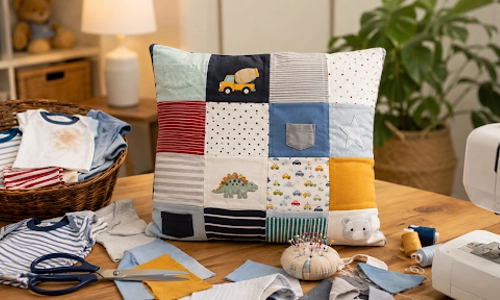
We all have that one tiny baby onesie or first-day-of-preschool t-shirt that is too stained to donate but too sentimental to throw away. If you have basic sewing skills (or a roll of iron-on hem tape), cut those favorite fabrics into squares and stuff them to create a custom patchwork throw pillow for their bed. It keeps the memory alive without cluttering a drawer.
Real Talk: You don’t need to spend a fortune on "educational activity kits" online. The best sensory and creative tools for your kids are usually already sitting in your recycling bin waiting for a second chance.
Less Chaos, More Control
At the end of the day, learning how to recycle things isn't a chore—it’s a power move. It’s about looking at a house full of chaos and choosing to turn it into a creative win. You don't need a bigger floor plan; you just need to rethink the items you already own.
Go grab that overflow bin, recruit your little helpers, and start rewriting the rules of your space.
Frequently Asked Questions
What are easy upcycling ideas for kids?
Easy upcycling ideas include turning cardboard boxes into forts, using broken crayons to make new shapes, creating collages from paper scraps, and transforming old clothes into memory projects.
Is upcycling better than recycling?
Upcycling and reusing can keep useful materials in use for longer. The EPA prioritizes reducing and reusing materials before recycling when possible.
What can kids make from recycled materials?
Kids can make cardboard forts, paper collages, egg-carton crafts, homemade bookmarks, crayon art, and pretend-play props from clean household items.
What should I do with outgrown kids’ clothes?
Donate, swap, sell, pass down, or repurpose clothes that are no longer wearable into patches, memory pillows, cleaning rags, or craft fabric.
How can I teach my child to reuse things?
Let them help sort items into reuse, donate, recycle, and discard groups. Small activities help children see that not every unwanted item has to become waste.