Emails are still the backbone of workplace communication. Whether you're applying for a job, updating your manager, or collaborating with teammates, your emails represent your professionalism. Yet surprisingly, many people overlook basic work email etiquette, making small mistakes that can unintentionally appear careless, rude, or unprofessional.
The good news? These mistakes are easy to fix once you know what to look for. Here are 18 common email mistakes at work and how to correct them professionally.
1. Writing a Vague Subject Line
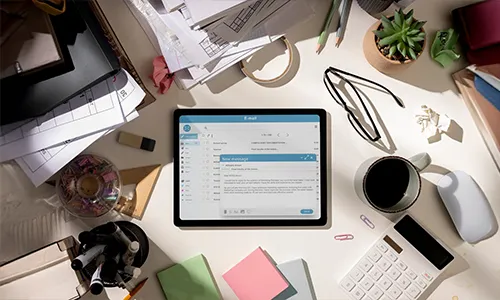
A subject line is like the headline of your message. If it’s unclear, the recipient may ignore the email or misunderstand its importance.
Common Mistakes
- “Hi”
- “Important”
- “Update”
Professional Fix
Make your subject specific and informative.
Examples:
- Project Update: Marketing Campaign Timeline
- Meeting Request: Budget Review for Friday
- Follow-Up on Client Proposal
Good subject lines show excellent work email etiquette because they respect the recipient’s time.
2. Forgetting a Professional Greeting
Jumping straight into the message without greeting the recipient can sound abrupt.
Mistake Example
“Send me the file by noon.”
Professional Fix
Start with a polite greeting such as:
- Hello Sarah,
- Good morning David,
- Dear Ms. Williams,
A simple greeting sets the tone for professional communication.
3. Using an Unprofessional Email Address
Your email address is part of your professional identity.
Addresses like:
can look inappropriate in professional settings.
Fix
Use a simple and professional format:
4. Writing Long, Hard-to-Read Emails
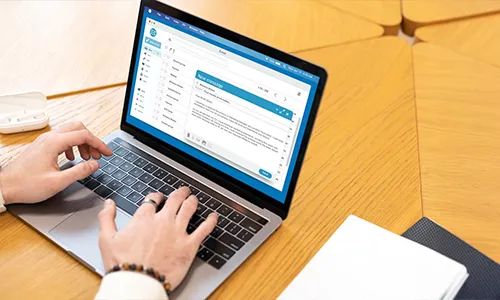
Many professionals write emails that feel like long essays.
Large blocks of text overwhelm readers and increase the chance that your message will be ignored.
Professional Fix
Break information into:
- Short paragraphs
- Bullet points
- Clear sections
This improves clarity and reflects strong work email etiquette.
5. Forgetting to Proofread
Typos and grammar mistakes can damage your credibility.
Even a simple error like writing:
“Please fined the attached document”
instead of
“Please find the attached document”
can look careless.
Fix
Always:
- Re-read your email before sending
- Use spell check
- Read it once from the recipient’s perspective
6. Sending Emails Without Attachments
Almost everyone has done this at least once.
You write “Please find the attached report” and then forget to attach the file.
Fix
Before sending, quickly confirm:
- Attachments are included
- Correct file version is attached
- File names are clear
Example:
Marketing_Report_Q3.pdf instead of file1.pdf.
7. Using Too Many Exclamation Marks
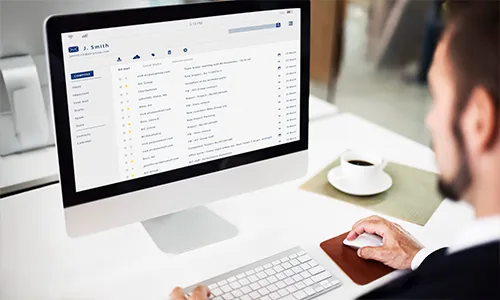
Excessive punctuation can appear unprofessional.
Example:
“Thanks for sending the report!!!”
Fix
Use punctuation sparingly.
Professional version:
“Thank you for sending the report.”
Good work email etiquette maintains a calm, respectful tone.
8. Writing Emails in ALL CAPS
Writing in all capital letters can feel like shouting.
Example:
“PLEASE SEND THE DOCUMENT TODAY.”
Fix
Use normal sentence formatting.
Professional tone matters more than urgency.
9. Being Too Casual
Work emails should not sound like text messages.
Avoid phrases such as:
- “Hey buddy”
- “What's up”
- “Lol”
Fix
Use polite professional language:
- “Hello John,”
- “I hope you're doing well.”
- “Thank you for your help.”
10. Not Responding to Emails on Time
Ignoring emails or replying too late can delay projects and frustrate coworkers.
Good work email etiquette involves timely communication.
Professional Standard
- Reply within 24 hours whenever possible.
Even a short response works:
“Thank you for your email. I will review this and respond shortly.”
11. Overusing Reply All
The “Reply All” button is often misused.
Sending responses to everyone when it’s unnecessary creates inbox clutter.
Fix
Ask yourself:
Does everyone need this information?
If not, reply only to the sender.
12. Sending Emails Without a Clear Purpose
Some emails are confusing because the sender never explains the goal.
Recipients may wonder:
- What action is required?
- What is the deadline?
Fix
Clearly state your request.
Example:
“Could you please review the attached report and share feedback by Wednesday?”
13. Forgetting a Signature
A professional email signature provides useful contact details.
Without it, recipients may not know your role or phone number.
Fix
Include a simple signature:
Name
Job Title
Company
Phone Number
14. Sending Emotional Emails
Emails written in frustration or anger can create workplace conflicts.
Unlike conversations, emails remain documented.
Fix
If you're upset:
- Pause
- Draft the message
- Re-read it later before sending
Maintaining calm communication is a key part of work email etiquette.
15. Using Too Many Fonts or Colors
Emails filled with different fonts, bold text, and bright colors look messy.
Fix
Keep formatting simple:
- Standard font
- Minimal bold text
- Clean layout
Professional emails should be easy to read.
16. Forgetting to Acknowledge Received Emails
Sometimes people read emails but never confirm receipt.
This leaves the sender wondering if the message was seen.
Fix
Send a quick acknowledgement:
“Thank you, I received the document and will review it today.”
17. Sending Emails Late at Night
Late-night emails can unintentionally pressure colleagues to respond outside work hours.
Fix
Schedule emails for the next workday if they are not urgent.
This small habit reflects thoughtful work email etiquette.
18. Ending Emails Abruptly
Closing an email politely is just as important as starting it properly.
Avoid ending messages suddenly.
Professional Closings
- Best regards
- Kind regards
- Thank you
- Sincerely
A courteous closing leaves a positive impression.
Strong work email etiquette can significantly improve how colleagues, managers, and clients perceive you. Clear, polite, and well-structured emails help build professional credibility and prevent misunderstandings.
By avoiding these common email mistakes, you can communicate more effectively, strengthen workplace relationships, and present yourself as a thoughtful professional. Sometimes, the smallest habits, like proofreading your email or writing a clear subject line, can make the biggest difference in professional communication.