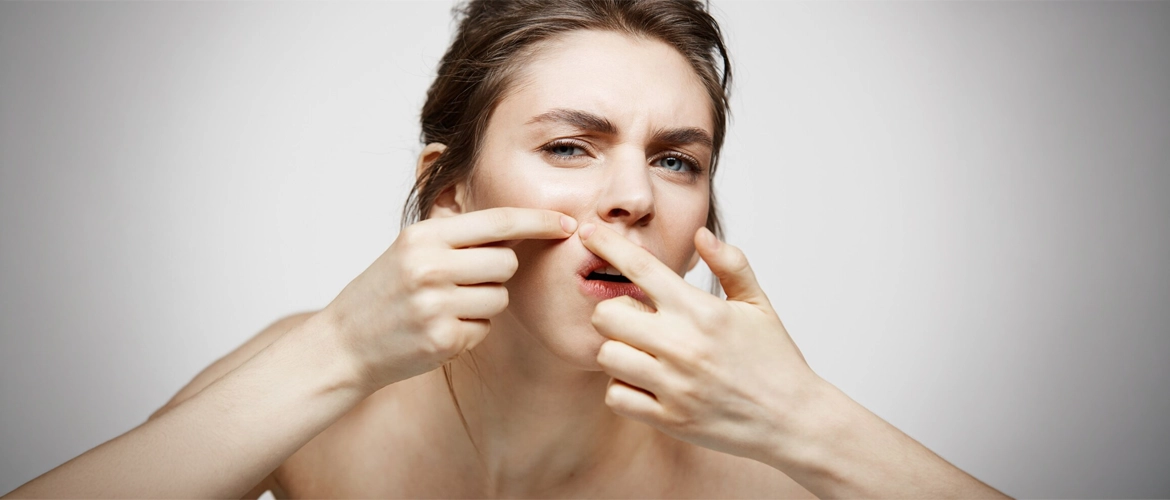
You see a zit.
You lean closer to the mirror.
And suddenly… it becomes your entire personality for the next 10 minutes.
You poke it.
>You inspect it.
>You consider popping it (and sometimes… you do it anyway).
We’ve all been there.
But here’s the truth.
Most breakouts don’t get worse on their own.
They get worse because of what we do to them.
Before we talk about the right zit spot treatment, let’s talk about the mistakes that quietly sabotage your skin.
7 Mistakes We All Make Before Trying Zit Spot Treatment
1. Touching It… Constantly
This one feels harmless.
But every time you touch your face, you transfer bacteria, oil, and dirt onto your skin.
And that tiny zit?
It becomes more inflamed than it needs to be.
Your skin isn’t asking for attention.
It’s asking for space.
2. Popping It Too Soon
You already know this one.
And yet…
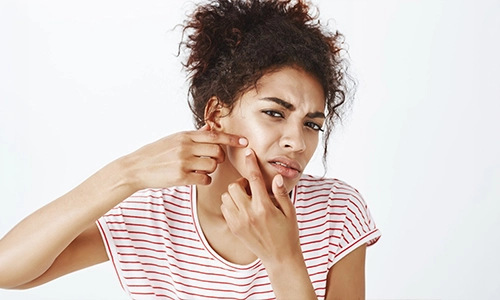
Popping a zit before it’s ready can push bacteria deeper into the skin.
Which means:
- Redness
- Swelling
- longer healing time
Sometimes, what looks like a quick fix turns into a week-long problem.
3. Overloading With Products
When a zit appears, the instinct is:
“Let me throw everything at it.”
Serum. Cream. Gel. Oil. Patch.
All at once.
But layering too many active ingredients can irritate your skin and slow healing.
More products ≠ faster results.
4. Using Harsh, Drying Ingredients
Drying out a zit completely might seem like a good idea.
But overly harsh treatments can damage the skin barrier.
And when your skin barrier is compromised?
It produces more oil to compensate.
Which leads to… more breakouts.
Not exactly the plan.
5. Ignoring the Rest of Your Skincare
A zit doesn’t exist in isolation.
It’s part of your overall skin condition.
Skipping moisturizer or cleansing improperly can make the situation worse.
Healthy skin heals faster.
Always.
6. Applying Makeup Without Care
We’ve all tried to hide a zit.
But using heavy makeup without proper cleansing can clog pores further.
And if brushes or sponges aren’t clean?
That’s just inviting more trouble.
7. Expecting Overnight Results
This might be the biggest mistake.
Zits take time.
Even the best zit spot treatment needs a little patience.
Rushing the process usually leads to irritation… not healing.
So… What Actually Works? (Zit Spot Treatment That Helps)
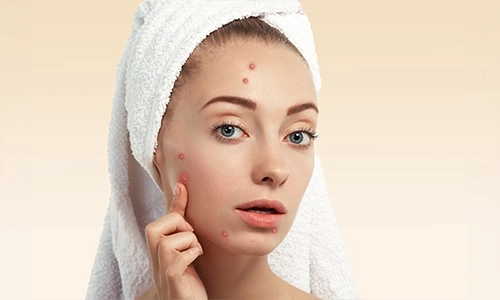
Now that we’ve cleared the mistakes, let’s talk about what your skin actually needs.
1. Use a Targeted Spot Treatment
Look for ingredients like:
- salicylic acid (clears pores)
- benzoyl peroxide (kills acne bacteria)
- sulfur (reduces oil and inflammation)
Apply a small amount directly on the zit.
Not all over your face.
2. Ice It (Yes, Really)
If your zit is swollen or painful, wrap an ice cube in a cloth and gently press it on the area. It helps reduce inflammation and redness. Quick. Simple. Effective.
3. Try Pimple Patches
Hydrocolloid patches are a game changer.
They:
- protect the zit from bacteria
- absorb fluid
- prevent you from touching it
Which, honestly, is half the battle.
4. Keep Your Skin Clean (But Not Over-Cleansed)
Wash your face twice a day with a gentle cleanser.
Avoid scrubbing aggressively.
Your skin doesn’t need punishment.
It needs balance.
5. Moisturize, Even If You Have Acne
This feels counterintuitive.
But skipping moisturizer can actually make acne worse.
Choose a lightweight, non-comedogenic moisturizer to keep your skin barrier healthy.
6. Let It Heal Naturally
Sometimes, the best thing you can do…
is nothing.
No picking. No over-treating.
Just let your skin do its job.
A Quick Reality Check
Back to that mirror moment…
You know the one.
Where the zit feels huge, obvious, impossible to ignore.
But here’s the thing.
Most people don’t notice it as much as you think.
What they do notice?
When your skin looks irritated, red, or over-treated.
Which is exactly what happens when we don’t follow the right zit spot treatment.
Best Products for Zit Spot Treatment
When a zit shows up, you don’t want a 10-step routine.
You want something that works… now.
Here are some trusted, US-available zit spot treatment products that dermatologists and users swear by:
Pimple Patches (Best for Whiteheads & Overnight Fix)
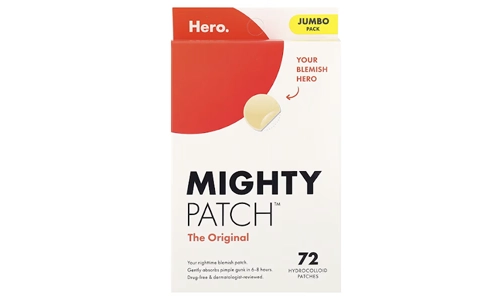
Hero Cosmetics Mighty Patch Original
A cult favorite for a reason. These hydrocolloid patches absorb gunk overnight and visibly flatten whiteheads.
COSRX Acne Pimple Master Patch
Lightweight, barely visible, and super effective at protecting and healing active zits.
Peace Out Acne Healing Dots
Infused with salicylic acid, these go beyond protection and actively treat the breakout.
Spot Treatment Gels (Best for Active & Inflamed Zits)
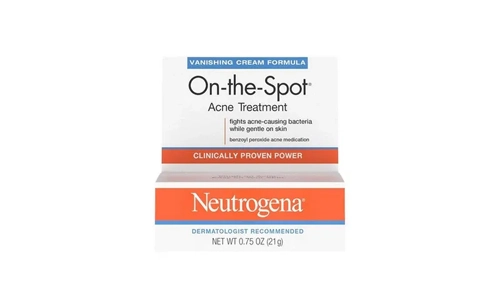
Neutrogena On-the-Spot Acne Treatment (2.5% Benzoyl Peroxide)
Gentle yet effective. Great for reducing redness without excessive dryness.
Clean & Clear Advantage Acne Spot Treatment
A classic salicylic acid formula that works well for early-stage breakouts.
La Roche-Posay Effaclar Duo Acne Spot Treatment
A dermatologist favorite that combines benzoyl peroxide with soothing ingredients to calm inflammation fast.
Microdart Patches (Best for Deep, Painful Zits)
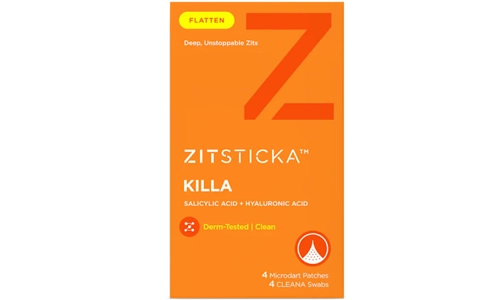
ZitSticka KILLA Acne Patch
Designed for under-the-skin zits, these microdart patches deliver active ingredients deep into the skin.
Peace Out Micro-Point Acne Healing Dots
Another strong option for cystic or stubborn acne that hasn’t surfaced yet.
Sulfur-Based Treatments (Best for Oily & Red Zits)
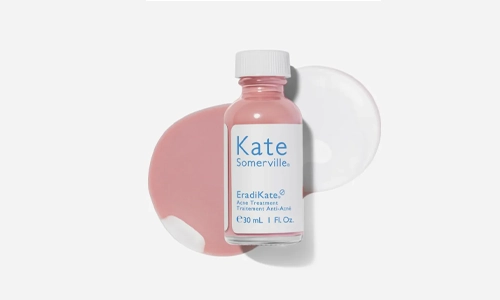
Kate Somerville EradiKate Acne Treatment
A powerful sulfur-based spot treatment that reduces redness and dries out zits quickly.
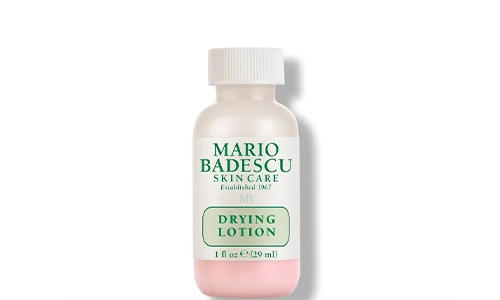
Mario Badescu Drying Lotion
A cult classic pink solution that works overnight to shrink whiteheads.
How to Choose the Right Zit Spot Treatment
Not all zits behave the same.
So here’s a quick cheat sheet:
- Whitehead → Use pimple patch
- Red, inflamed zit → Benzoyl peroxide
- Early clogged pore → Salicylic acid
- Deep, painful zit → Microdart patch
- Oily, surface zit → Sulfur treatment
The trick isn’t using everything. It’s using the right thing.
FAQs
What is the best zit spot treatment?
Spot treatments with salicylic acid, benzoyl peroxide, or sulfur are commonly effective for reducing acne quickly.
Can I pop a zit safely?
It’s best to avoid popping zits, as it can lead to infection, scarring, and prolonged healing.
How long does a zit take to heal?
Most zits take a few days to a week to heal, depending on their size and how they are treated.
Do pimple patches really work?
Yes, hydrocolloid patches can help absorb fluid, reduce inflammation, and protect the zit from bacteria.
One Quick Reality Check
Even the best zit spot treatment won’t fix a zit overnight if you keep touching it every five minutes (you know who you are).
Products help. But patience?
That’s what really clears your skin.
Zits are annoying. Unpredictable. Timed horribly. Always showing up when you least want them. But they’re also temporary. The key isn’t to fight them aggressively. It’s to treat them gently… and consistently.
Because good skin isn’t built in one night. It’s built in small, thoughtful habits. And sometimes…the best thing you can do…is just leave it alone.