Lemons are probably sitting in your kitchen right now, quietly waiting to be squeezed into tea or salad dressing. But beyond the tangy taste, lemons have earned a special place in beauty routines across generations.
From grandma’s DIY remedies to modern skincare advice, the beauty benefits of lemon are talked about a lot — and for good reason. Rich in vitamin C and natural antioxidants, lemon can support skin and hair health when used correctly and carefully.
Let’s break down how this humble fruit can help enhance your beauty routine.
Why Lemon Is So Popular in Beauty Care
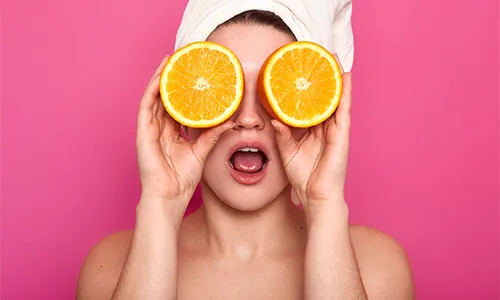
Lemon is packed with:
- Vitamin C (supports collagen production)
- Citric acid (gentle exfoliating properties)
- Antioxidants (help fight dullness)
- Natural antibacterial qualities
These qualities make lemon a popular ingredient in home remedies for skin and hair — especially for those who prefer natural solutions.
Beauty Benefits of Lemon for Skin

Helps Brighten Dull Skin
Lemon’s vitamin C content may help improve skin radiance over time. When used in diluted form, it can gently refresh tired-looking skin.
Supports Acne-Prone Skin
Thanks to its antibacterial properties, lemon may help reduce acne-causing bacteria. This is why it’s often used in spot treatments, always diluted and followed by moisturizer.
Aids in Reducing Excess Oil
Lemon can help control excess sebum, making it helpful for oily skin types when used occasionally.
Helps Fade Dark Spots (With Care)
Some people use lemon to lighten dark spots or uneven pigmentation. However, results vary, and sun protection is essential after use.
Important: Lemon juice should never be applied directly to the skin without dilution, and it should not be used daily.
Beauty Benefits of Lemon for Hair
Adds Natural Shine
When mixed with water and used as a rinse, lemon can help remove product buildup, leaving hair looking fresher and shinier.
Supports Scalp Health
Lemon’s antifungal properties may help reduce dandruff and scalp itchiness when used occasionally.
Helps Balance Oily Scalp
For oily scalps, lemon diluted with water can help reduce excess oil and refresh the scalp.
Always rinse thoroughly and follow with conditioner to prevent dryness.
How to Use Lemon Safely in Your Beauty Routine
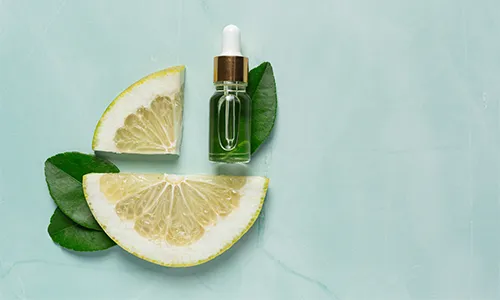
Lemon is powerful, so moderation and proper use matter.
- Always dilute lemon juice with water, honey, yogurt, or aloe vera
- Do a patch test before applying
- Avoid sun exposure after using lemon on skin
- Limit use to 1–2 times a week
Natural doesn’t always mean harmless — careful use ensures you enjoy the beauty benefits of lemon without irritation.
Who Should Avoid Using Lemon on Skin?
Lemon may not be suitable if you:
- Have sensitive or damaged skin
- Have eczema or rosacea
- Experience burning or redness after use
In such cases, it’s best to skip lemon and consult a dermatologist for safer alternatives.
Lemon in Diet Also Supports Beauty

Beauty doesn’t stop at skincare. Drinking warm lemon water or including lemon in meals may help support hydration and overall skin health from within.
Healthy skin often reflects what’s happening inside your body.
FAQs
What does lemon do to your face?
Lemon contains citric acid and vitamin C, but fresh lemon juice can irritate facial skin. It is not a proven treatment for acne or dark spots.
What happens when you mix Vaseline with lemon?
Vaseline helps seal in moisture, but mixing it with lemon juice has no established skin-brightening benefit and may expose your skin to irritation.
Does lemon juice brighten skin?
Lemon juice is not a proven, safe skin-whitening treatment. Sunscreen and suitable skincare products are better options for managing uneven skin tone.
Is rubbing lemon on your face safe?
No. Direct application can irritate your skin and may trigger a phototoxic reaction when followed by sunlight.
What are the side effects of lemon on hair?
Lemon juice can dry or irritate the scalp and hair. Sun exposure during lemon-based hair-lightening attempts may also contribute to hair damage.
Can lemon juice be used on hair for shine?
It is not a proven conditioning treatment. A suitable conditioner is a more reliable way to improve softness and manageability.
The beauty benefits of lemon are real, but they work best when used thoughtfully. Lemon isn’t a miracle cure — it’s a supportive ingredient that can enhance your routine when used correctly. Think of it as a helpful boost, not a daily essential. When in doubt, listen to your skin. It always tells the truth.