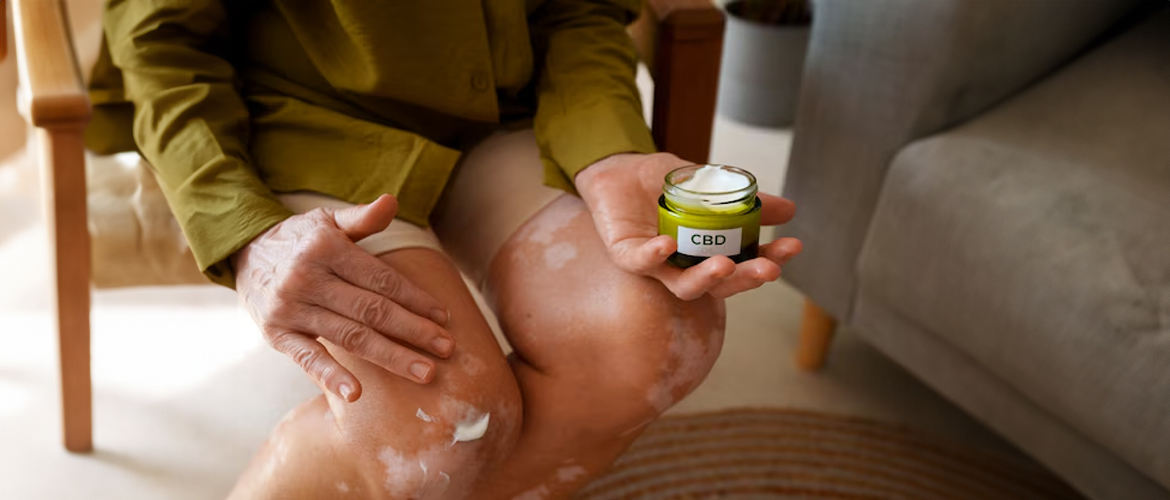
Pain affects us all — whether it’s the aftermath of a long workout, sore joints after a busy day, or that nagging inflammation from chronic stress or tension. While medicine has its place, nature offers powerful everyday allies too.
Let’s talk about foods that reduce pain — the delicious, simple options you can add to your plate (or smoothie) right now that help soothe inflammation and ease discomfort.
1. Leafy Greens — Spinach, Kale, Swiss Chard
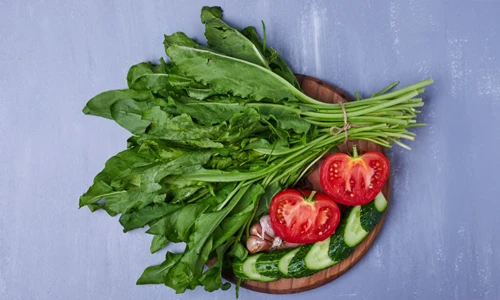
You might already know these are healthy — but they’re especially great for pain relief because they’re rich in:
- Antioxidants
- Vitamin K
- Phytonutrients
These nutrients help fight inflammation at the cellular level, which is a major trigger for pain, especially joint and muscle discomfort.
Tip: Cook lightly or enjoy in salads to preserve nutrients.
2. Fatty Fish — Salmon, Mackerel, Sardines
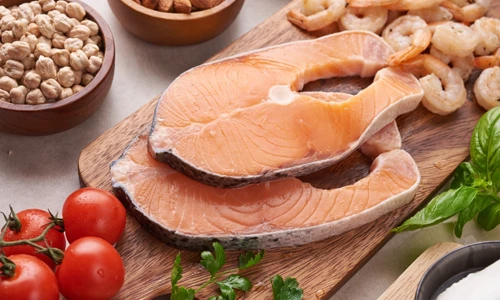
These fish are champions when it comes to reducing inflammation thanks to omega-3 fatty acids.
Omega-3s help lower inflammatory chemicals in the body, which can reduce:
- Joint pain
- Muscle soreness
- Stiffness
Aim for fatty fish 2–3 times a week if possible.
3. Berries — Blueberries, Strawberries, Raspberries
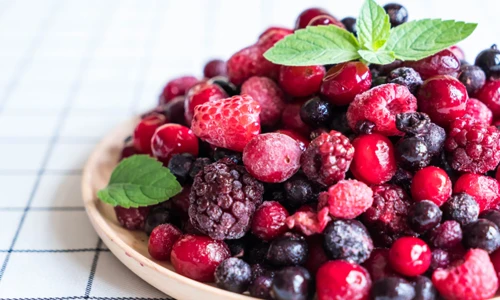
Sweet, colorful, and powerful.
Berries are full of anthocyanins — antioxidants that:
- Reduce inflammation
- Support immune health
- Fight oxidative stress
Snack on berries, fresh or frozen, for smoothies to help keep pain levels down.
4. Turmeric
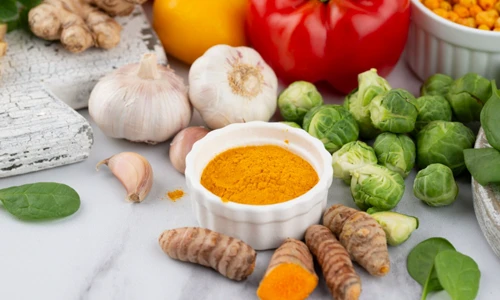
This golden spice contains curcumin, a powerful anti-inflammatory compound. Curcumin can:
- Help soothe joint pain
- Reduce swelling
- Support overall comfort
How to use: Mix with black pepper (helps absorption) and add to soups, rice, or golden milk.
5. Nuts & Seeds — Almonds, Walnuts, Flaxseeds
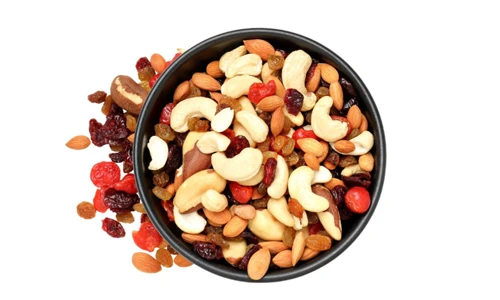
Nuts and seeds are small but mighty.
- Omega-3s (especially walnuts and flaxseeds)
- Magnesium
- Antioxidants
Magnesium supports muscle relaxation and nerve function, which can reduce pain sensations.
Try sprinkling ground flaxseed or chia seed over yogurt or oatmeal.
6. Ginger
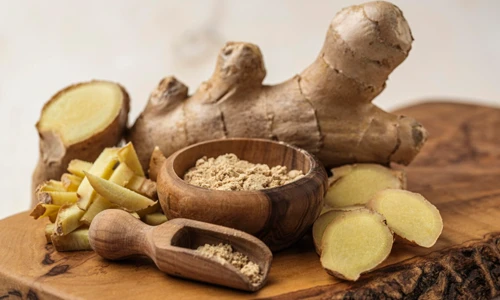
Ginger is not just a warming spice — it’s a natural pain-fighting superstar.
Studies show ginger can help relieve:
- Menstrual pain
- Muscle soreness
- Joint discomfort
Add fresh ginger to tea, smoothies, or stir-fries for both flavor and relief.
7. Pineapple
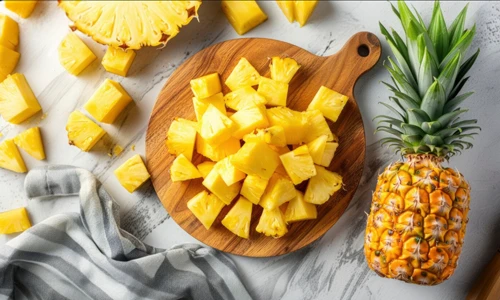
This tropical fruit brings a digestive enzyme called bromelain, which has anti-inflammatory properties.
Bromelain can help reduce:
- Soft tissue swelling
- Post-exercise soreness
- Mild inflammatory pain
Enjoy fresh pineapple chunks or add to fruit salads for a sweet pain-reducing boost.
How These Foods Actually Help
These foods work because they share one key ability: reducing inflammation.
Inflammation is the body’s natural response to stress, injury, or immune triggers — but chronic inflammation is a major source of ongoing pain. These foods support the body’s natural processes to calm inflammatory responses rather than just masking pain.
FAQs
What are the best foods for pain relief?
Fatty fish, berries, leafy greens, nuts, ginger, and turmeric may support a balanced diet that helps manage inflammation.
What is the strongest natural painkiller?
No single natural remedy works best for every type of pain. The right approach depends on the cause and severity of the discomfort.
Which foods help fight inflammation?
Berries, leafy greens, fatty fish, nuts, seeds, and whole grains are useful choices in an anti-inflammatory eating pattern.
What foods should you limit when managing body pain?
Limit excess added sugars and heavily processed foods, and focus on a varied diet rich in minimally processed ingredients.
Can ginger and turmeric help relieve pain?
Research suggests they may help with certain inflammatory or pain-related symptoms, but their effects vary and are not guaranteed.
Can food replace pain medication?
No. Food can support overall health, but it should not replace prescribed medication or necessary medical treatment.
Food isn’t destiny — but it’s powerfully influential. Adding foods that reduce pain to your meals is a nutritious, tasty, and natural way to support your body’s comfort and overall wellness. Beauty, strength, and comfort can start on your plate