You leave home with smooth, neatly styled hair, but a few hours later, it is full of knots. Your ends start clumping together, strands catch on your clothes, and brushing your hair becomes another task on an already busy day.
If you want to stop hair from getting tangled, focus on reducing friction, keeping your hair manageable, choosing practical hairstyles, and protecting your ends throughout the day. A few small changes can make a noticeable difference without taking up your morning.
Why Does Your Hair Get Tangled During the Day?

Before changing your routine, it helps to understand why those knots keep appearing. Hair tangles when individual strands catch, twist, and wrap around one another. Certain everyday habits and environmental conditions can make this happen more often. Here are some common reasons:
- Friction from clothing: Hair rubbing against collars, scarves, sweaters, and bag straps can create knots, particularly around the nape and ends.
- Wind and outdoor exposure: Wind blows loose strands in different directions, allowing them to twist around one another.
- Dryness: Hair that lacks moisture can feel rough and become harder to manage.
- Damaged ends: Split ends and rough hair surfaces can catch on neighboring strands.
- Frequent touching: Running your fingers through your hair repeatedly can disturb its arrangement and encourage tangling.
- Unsuitable hairstyles: Leaving long hair completely loose during a windy commute or busy workday can increase friction and knots.
Your hair type also matters. Long, fine, curly, and textured hair can have different detangling needs. The solution is to understand what makes your hair tangle rather than following every hair-care trend.
How to Stop Hair From Getting Tangled With Simple Daily Habits
You don't have to change everything at once. Start with these practical habits and see which ones make the biggest difference.
1. Detangle Your Hair Before Leaving Home
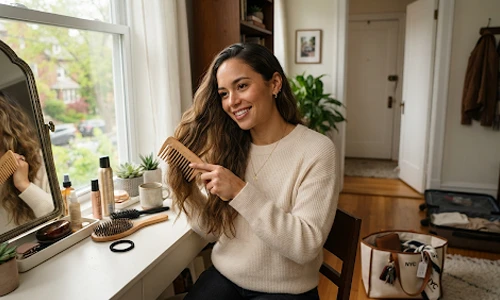
A quick morning detangling session can prevent small knots from becoming bigger problems. Use a suitable brush or wide-tooth comb and work gently through your hair. Pay particular attention to the nape, underneath layers, and ends, where tangles often collect. A few things to remember:
- Start at the ends and gradually work upward.
- Hold the section of hair above a knot to reduce pulling on the roots.
- Never force a brush through a stubborn tangle.
- Use a little detangling spray if your hair needs extra slip.
2. Use a Leave-In Conditioner for Extra Manageability
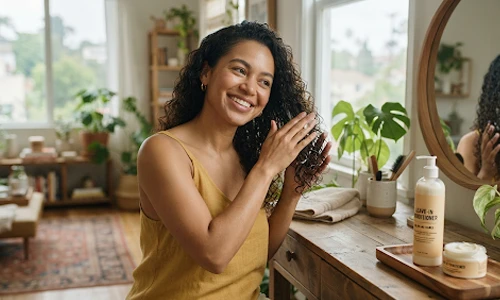
If your hair feels dry, rough, or difficult to comb, a leave-in conditioner may help. Unlike rinse-off conditioners, leave-in formulas remain on the hair after washing. They can make strands easier to comb and help reduce friction during styling. For best results:
- Choose a lightweight formula if you have fine hair.
- Consider a more moisturizing formula if your hair is thick, curly, or dry.
- Apply it mainly to the mid-lengths and ends.
- Follow the product instructions and avoid applying excessive amounts.
3. Choose Hairstyles That Keep Your Hair in Place

Leaving your hair loose may look lovely, but it isn't always practical when you're commuting, working, exercising, or running errands. Try hairstyles that keep your strands together without pulling tightly. Some easy options include:
- Loose braid: Keeps long hair contained and reduces movement.
- Low ponytail: A practical choice for office days and everyday activities.
- Loose bun: Keeps hair away from your shoulders and clothing.
- Half-up hairstyle: Keeps the front sections in place while allowing the rest of your hair to remain loose.
4. Protect Your Hair From Wind and Weather

Windy weather can undo your morning styling surprisingly quickly. If you walk to work, travel by public transport, ride a bike, or spend time outdoors, consider how much your hair moves during the journey. A few easy adjustments can help:
- Tie long hair into a loose braid before travelling.
- Use a scarf or hat when appropriate.
- Secure loose front sections with comfortable hair clips.
- Avoid leaving damp hair loose when heading outdoors.
- Carry a small comb for occasional touch-ups.
5. Pay Attention to Your Clothing

Sometimes, the problem isn't your hair-care routine. It's what your hair rubs against. High collars, rough sweaters, wool scarves, and backpack straps can repeatedly catch the ends of your hair. If you notice tangles forming around your shoulders or neck, try these changes:
- Tuck your hair into your jacket when wearing a scarf.
- Keep long hair in a braid when carrying a backpack.
- Avoid allowing loose strands to sit between your bag strap and shoulder.
- Choose smoother fabrics around the neckline when possible.
6. Avoid Touching and Twirling Your Hair Constantly

Do you find yourself twisting your hair while reading emails, attending meetings, or thinking through a problem? It's a common habit, but repeatedly twisting and playing with your strands can encourage them to wrap around one another.
Try keeping a hair clip or soft scrunchie nearby. If your hair keeps falling forward, secure it instead of repeatedly pushing it behind your ears. This small change can save you from dealing with unnecessary knots later.
7. Keep Your Hair Ends in Good Condition
Image File Name: healthy-hair-ends-prevent-tangles
Image Alt Text: Healthy hair ends help prevent tangles
Your ends are the oldest part of your hair and may have experienced more brushing, heat styling, coloring, and environmental exposure. When the hair becomes damaged, it can feel rough and become more difficult to manage. To care for your ends:
- Apply conditioner after shampooing.
- Use a suitable leave-in conditioner when needed.
- Limit excessive heat styling.
- Use a heat protectant when using hot tools.
- Avoid pulling or tugging at knots.
- Ask your hairstylist whether trimming damaged ends would help.
Regular trims won't prevent every tangle, but removing split ends can make hair easier to manage.
Which Hairstyles Are Best for Preventing Hair Tangles?
The best hairstyle depends on your hair length, texture, and daily activities.
| Hairstyle | Best for | Why it helps |
| Loose braid | Long hair | Keeps strands together |
| Low ponytail | Office and everyday wear | Reduces loose hair movement |
| Loose bun | Travel and outdoor activities | Keeps hair away from clothing |
| Half-up style | Medium and long hair | Secures the front sections |
| Soft claw-clip updo | Busy workdays | Keeps hair off the shoulders |
Choose a style that feels comfortable and doesn't pull on your scalp. If your hair is curly or coily, adapt these styles to preserve your natural curl pattern and avoid unnecessary manipulation.
What Is a Simple Morning and Evening Routine for Tangle-Free Hair?
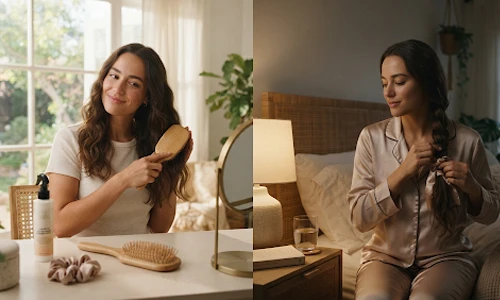 stop hair from getting tangled
Consistency matters more than buying several new products. You can start with this manageable routine.
Morning Routine
- Gently detangle your hair.
- Apply a suitable leave-in product if needed.
- Choose a hairstyle that suits your day.
- Secure your hair before travelling if it's likely to catch in the wind.
During the Day
- Avoid repeatedly touching or twisting your hair.
- Keep your hair away from rough clothing and bag straps.
- Loosen small knots gently rather than waiting until they become difficult to remove.
- Use a soft accessory when your hair needs to be secured.
Evening Routine
- Remove hair accessories gently.
- Detangle your hair according to its texture and needs.
- Consider a loose braid if your hair tangles while sleeping.
- Use a smooth pillowcase if it is comfortable and within your budget.
Gentle hair handling, appropriate conditioning, and careful detangling reduces damage. For curly and tightly textured hair, detangling with conditioner and a wide-tooth comb can be particularly helpful.
Frequently Asked Questions
1. Why does my hair get tangled so easily during the day?
Hair can tangle because of friction from clothing, wind exposure, dryness, damaged ends, and frequent touching. Long, fine, curly, and textured hair may also require different detangling routines.
2. How can I stop my hair from getting tangled while sleeping?
Try a loose braid or another comfortable protective style. A smooth pillowcase may also reduce friction. Avoid tying your hair too tightly before bed.
3. Does leave-in conditioner prevent hair tangles?
Leave-in conditioner can make hair smoother and easier to comb, helping reduce tangling and friction. Choose a formula suited to your hair type and avoid using too much.
4. What is the best hairstyle to prevent hair tangles?
A loose braid is a practical option for long hair because it keeps strands together. Low ponytails, loose buns, and comfortable claw-clip styles can also help.
5. Should I brush my hair whenever it gets tangled?
No. Frequent or forceful brushing can cause breakage. Gently loosen knots with your fingers or an appropriate comb, working from the ends upward. Follow a detangling routine suited to your hair texture.
Dealing with tangled hair throughout the day can be frustrating, especially when you already have a busy schedule. But keeping your hair manageable doesn't have to mean spending more time styling it or investing in expensive products.
If you want to stop hair from getting tangled, start with a few simple changes. Detangle gently before heading out, choose comfortable hairstyles, use a suitable leave-in conditioner, and protect your hair from friction caused by clothing and everyday activities.