Most of us learned how to blow-dry our hair in a rush — late for work, dripping wet strands, dryer on full blast, hoping for the best.
And then one day you notice it.
Dry ends. Frizz. Breakage. Hair that feels tired.
The good news? You don’t need to quit blow-drying altogether. You just need to do it smarter.
Let’s talk about how to blow-dry your hair properly — without frying it, fighting it, or regretting it later.
First Things First: Wet Hair Is Fragile Hair
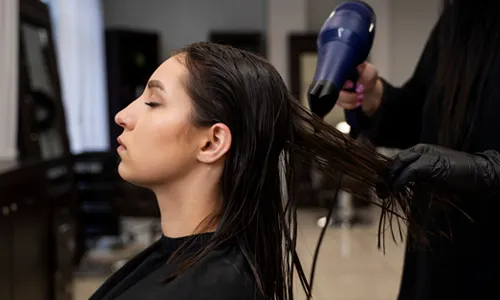
Here’s something most people don’t realize: hair is at its weakest when it’s soaking wet. Aggressive towel drying or immediate heat can cause more damage than the blow dryer itself.
Instead:
- Gently squeeze out excess water
- Use a microfiber towel or soft cotton T-shirt
- Pat — don’t rub
This one step already reduces breakage significantly.
Prep Before You Blow Dry Your Hair (This Matters)
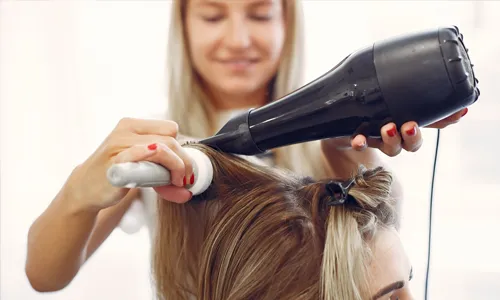
Blow-drying without prep is like cooking without oil — things stick, burn, and go wrong.
Before turning on the dryer:
- Apply a heat protectant evenly
- Use a lightweight leave-in conditioner if hair feels dry
- Detangle gently with a wide-tooth comb
Think of this as armor for your hair.
The Right Way to Blow Dry Your Hair
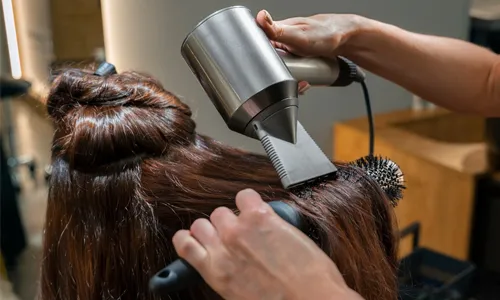
1. Let Hair Air-Dry About 60 Percent
You don’t need to start blow-drying immediately. Let your hair dry naturally until it’s damp, not dripping. Less moisture means less heat exposure.
2. Use Medium Heat, Not Maximum
High heat feels faster, but it causes long-term damage. Medium heat with steady airflow dries hair effectively while protecting the cuticle.
3. Keep the Dryer Moving
Holding the dryer in one spot overheats hair. Keep it moving, and always aim the airflow downward to smooth the cuticle.
4. Use the Right Attachment
A concentrator nozzle directs airflow and prevents frizz. It’s not optional — it’s essential.
5. Finish With a Cool Shot
The cool setting seals the cuticle, adds shine, and helps your style last longer. It’s a small step with big results.
Blow-Dry Mistakes That Quietly Damage Your Hair
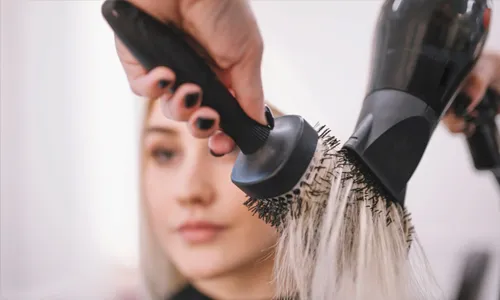
Even with good products, these habits can undo everything.
-
Blow-drying soaking wet hair
Hair stretches more when wet, leading to breakage.
-
Skipping heat protection
This is one of the fastest ways to cause dryness and split ends.
-
Using the hottest setting every time
Heat damage builds over time, even if you don’t see it immediately.
-
Holding the dryer too close
Keep at least 6 inches between the dryer and your hair.
-
Blow-drying daily without breaks
Hair needs recovery time. Give it a rest when you can.
Hair Type Matters More Than You Think

Fine Hair
Use lower heat and lighter products. Overloading causes limpness and damage.
Thick or Curly Hair
Work in sections. Controlled heat and patience reduce frizz and dryness.
Color-Treated Hair
Always use a color-safe heat protectant and avoid excessive heat to preserve color and moisture.
How Often Should You Blow Dry Your Hair?
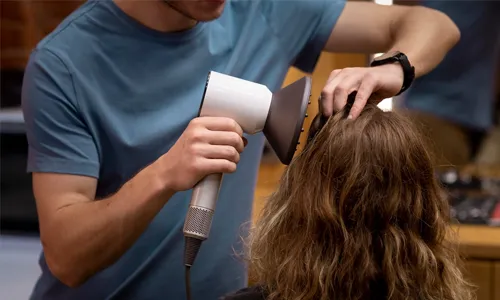
There’s no universal rule, but balance is key.
- Daily blow-drying increases dryness over time
- Alternating between air-drying and blow-drying helps
- Protective styling on off-days gives hair a break
Healthy hair is about consistency, not perfection.
FAQs About How to Blow Dry Your Hair
Is blow-drying bad for your hair?
Not if done correctly. Damage usually comes from excessive heat and poor technique.
Should I blow dry my hair upside down?
It adds volume, but be gentle to avoid tangling and breakage.
Can I blow dry my hair every day?
It’s better to limit daily heat and use proper protection if you do.
Is air-drying better than blow-drying?
Not always. Prolonged wetness can also stress hair. A mix of both works best.
Learning how to blow-dry your hair properly isn’t about perfection — it’s about awareness. Small changes in heat, distance, and prep can transform how your hair looks and feels over time.
Healthy hair doesn’t come from avoiding tools. It comes from using them wisely.