For a long time, acne was treated like a surface problem. Cleanse more. Dry it out. Cover it up.
But slowly, the conversation shifted inward.
People started asking different questions.
Why does my skin flare up when my digestion feels off?
Why does stress show up on my face before anywhere else?
That’s where probiotics entered the picture. Let’s discuss honestly whether probiotics can help reduce acne, what science suggests, and how your gut and skin might be communicating with each other.
The Gut–Skin Connection (Why Your Stomach Matters to Your Face)

Your gut isn’t just about digestion. It’s home to trillions of bacteria that influence inflammation, hormones, and immunity.
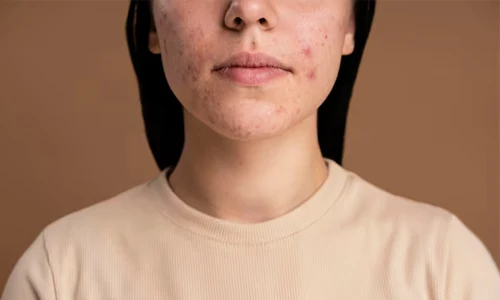
When this balance is disrupted, a condition often referred to as gut dysbiosis, the body can respond with inflammation. Acne, especially persistent or adult acne, is often linked to this internal imbalance.
In simple terms: When your gut struggles, your skin often speaks up.
What Are Probiotics, Really?
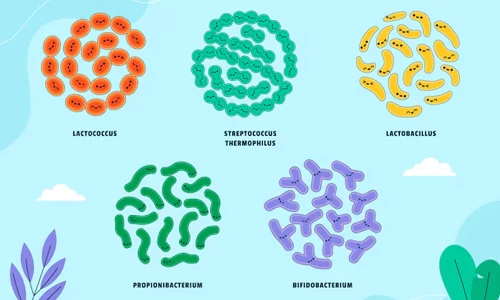
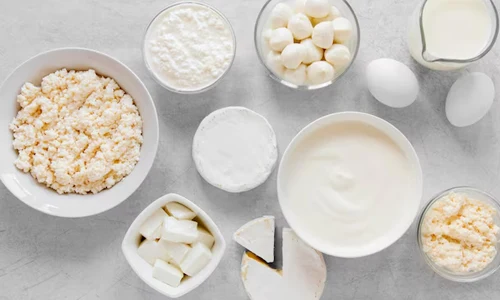
Probiotics are beneficial bacteria that support gut balance. They’re found in:
- Yogurt with live cultures
- Fermented foods like kefir, kimchi, and sauerkraut
- Probiotic supplements
Their role isn’t to “cure” acne overnight but to help create an internal environment where inflammation is less likely to spiral out of control.
Do Probiotics Help Reduce Acne or Is It Just Hype?
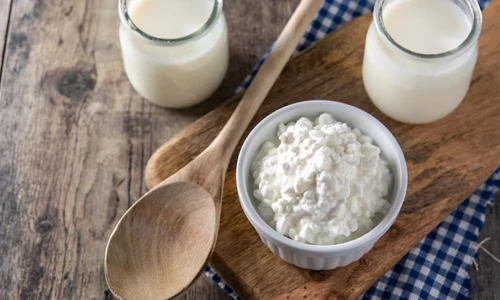
Here’s the honest answer: they can help, but they’re not magic pills.
Research suggests probiotics may support acne-prone skin by:
- Reducing systemic inflammation
- Supporting hormonal balance
- Strengthening the skin barrier
- Improving digestion-related triggers
Many people notice fewer breakouts over time, especially inflammatory acne, when gut health improves.
Acne Isn’t Just Skin-Deep
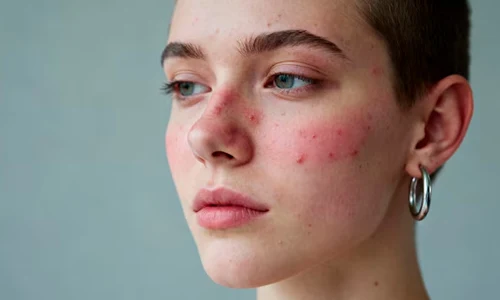
Stress, antibiotics, poor sleep, and processed foods all disrupt gut bacteria. That disruption can show up as:
- Hormonal acne along the jawline
- Sudden adult breakouts
- Acne that doesn’t respond to topical treatments
This is why topical products alone sometimes feel like they’re fighting the wrong battle.
Probiotic Foods vs Supplements: What Works Better?
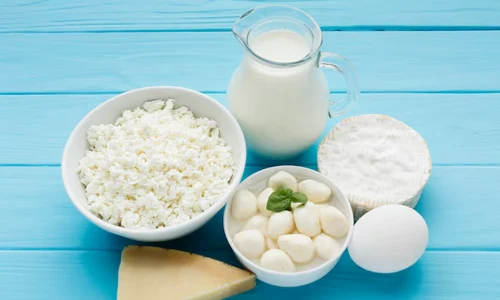
Both can play a role, depending on your lifestyle.
Probiotic-Rich Foods
- Gentle and natural
- Support overall gut health
- Work best when consumed consistently
Probiotic Supplements
- More targeted strains
- Helpful after antibiotics or digestive issues
- Should be chosen carefully
Not all probiotics are the same. Some strains are studied more for skin health than others, which is why results vary from person to person.
How Long Does It Take to See Skin Changes?

This is where patience matters.
If probiotics are going to help, most people notice changes after 4 to 8 weeks of consistency. This includes:
- Reduced redness
- Fewer painful breakouts
- Calmer, less reactive skin
Think of it as healing from the inside out, not a spot treatment.
What Probiotics Won’t Do
It’s important to set realistic expectations.
Probiotics will not:
- Replace a solid skincare routine
- Instantly clear severe cystic acne
- Work overnight
They’re one piece of a bigger picture that includes skincare, stress management, sleep, and diet.
A Realistic Way to Approach Acne Healing
If you’ve tried everything on your skin and nothing sticks, it might be time to look inward. That doesn’t mean abandoning dermatology or treatments. It means adding another layer of support.
For many women, probiotics become part of a calmer, more balanced routine rather than a quick fix.
FAQs
Do probiotics help reduce acne for everyone?
Not everyone sees the same results. They tend to help more with inflammatory or stress-related acne.
Can probiotics make acne worse at first?
Some people experience temporary digestive changes, but skin flare-ups are uncommon and usually short-lived.
Should I take probiotics daily for acne?
Consistency matters. Daily intake, whether through food or supplements, is usually more effective than occasional use.
Are probiotic skincare products helpful too?
They can support the skin barrier, but oral probiotics work on the internal triggers of acne.
Can teens use probiotics for acne?
Yes, but it’s best to focus on food-based probiotics first and consult a healthcare provider if considering supplements.
Acne isn’t always about what you put on your skin. Sometimes it’s about what your body is asking for internally. If you’ve been wondering, do probiotics help reduce acne? The answer is nuanced but hopeful. For many, they become part of a more balanced, long-term approach to clearer, calmer skin.
And sometimes, that’s exactly what your skin has been waiting for.