
Pain affects us all — whether it’s the aftermath of a long workout, sore joints after a busy day, or that nagging inflammation from chronic stress or tension. While medicine has its place, nature offers powerful everyday allies too.
Let’s talk about foods that reduce pain — the delicious, simple options you can add to your plate (or smoothie) right now that help soothe inflammation and ease discomfort.
1. Leafy Greens — Spinach, Kale, Swiss Chard
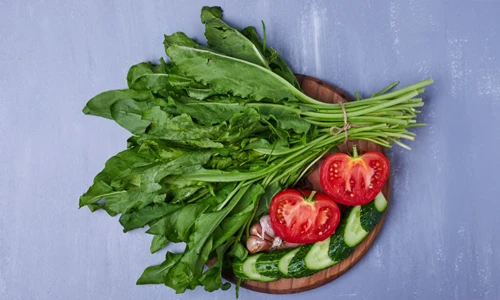
You might already know these are healthy — but they’re especially great for pain relief because they’re rich in:
- Antioxidants
- Vitamin K
- Phytonutrients
These nutrients help fight inflammation at the cellular level, which is a major trigger for pain, especially joint and muscle discomfort.
Tip: Cook lightly or enjoy in salads to preserve nutrients.
2. Fatty Fish — Salmon, Mackerel, Sardines
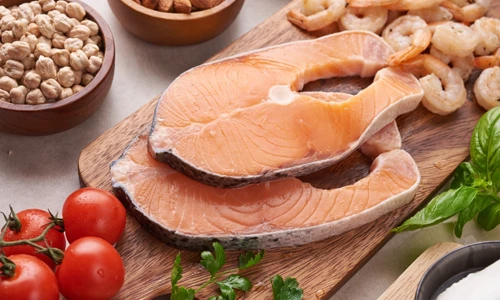
These fish are champions when it comes to reducing inflammation thanks to omega-3 fatty acids.
Omega-3s help lower inflammatory chemicals in the body, which can reduce:
- Joint pain
- Muscle soreness
- Stiffness
Aim for fatty fish 2–3 times a week if possible.
3. Berries — Blueberries, Strawberries, Raspberries
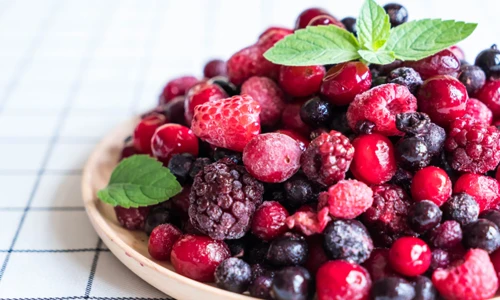
Sweet, colorful, and powerful.
Berries are full of anthocyanins — antioxidants that:
- Reduce inflammation
- Support immune health
- Fight oxidative stress
Snack on berries, fresh or frozen, for smoothies to help keep pain levels down.
4. Turmeric
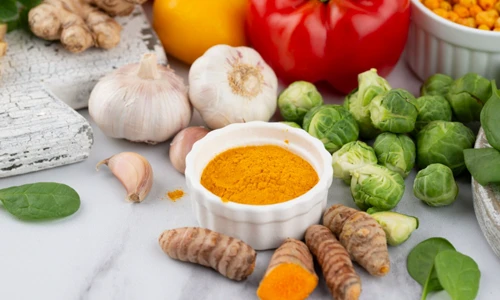
This golden spice contains curcumin, a powerful anti-inflammatory compound. Curcumin can:
- Help soothe joint pain
- Reduce swelling
- Support overall comfort
How to use: Mix with black pepper (helps absorption) and add to soups, rice, or golden milk.
5. Nuts & Seeds — Almonds, Walnuts, Flaxseeds
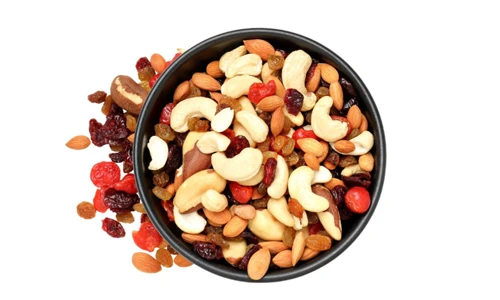
Nuts and seeds are small but mighty.
- Omega-3s (especially walnuts and flaxseeds)
- Magnesium
- Antioxidants
Magnesium supports muscle relaxation and nerve function, which can reduce pain sensations.
Try sprinkling ground flaxseed or chia seed over yogurt or oatmeal.
6. Ginger
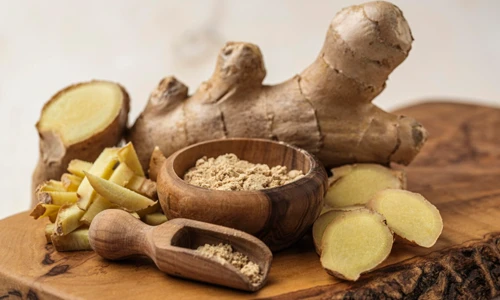
Ginger is not just a warming spice — it’s a natural pain-fighting superstar.
Studies show ginger can help relieve:
- Menstrual pain
- Muscle soreness
- Joint discomfort
Add fresh ginger to tea, smoothies, or stir-fries for both flavor and relief.
7. Pineapple
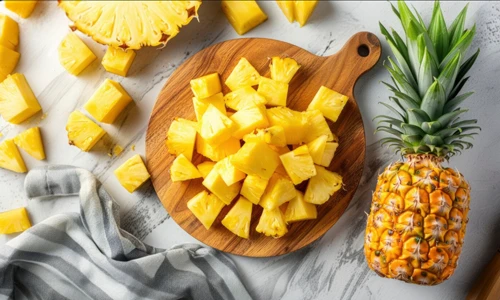
This tropical fruit brings a digestive enzyme called bromelain, which has anti-inflammatory properties.
Bromelain can help reduce:
- Soft tissue swelling
- Post-exercise soreness
- Mild inflammatory pain
Enjoy fresh pineapple chunks or add to fruit salads for a sweet pain-reducing boost.
How These Foods Actually Help
These foods work because they share one key ability: reducing inflammation.
Inflammation is the body’s natural response to stress, injury, or immune triggers — but chronic inflammation is a major source of ongoing pain. These foods support the body’s natural processes to calm inflammatory responses rather than just masking pain.
FAQs
Can food really reduce pain?
Yes. Many anti-inflammatory foods can help ease discomfort over time, especially when part of a balanced diet.
How soon can I feel the effects?
Some effects may feel subtle and gradual — consistent intake over weeks matters more than one meal.
Should I stop medication if I eat these foods?
No. Foods support well-being but don’t replace prescribed medication without a doctor’s guidance.
Are there foods that increase pain?
Yes — sugary, processed, and high-fat foods can promote inflammation and worsen discomfort.
Can these foods help with arthritis pain?
They may support inflammation reduction and help ease arthritis-related symptoms for some people.
Food isn’t destiny — but it’s powerfully influential. Adding foods that reduce pain to your meals is a nutritious, tasty, and natural way to support your body’s comfort and overall wellness. Beauty, strength, and comfort can start on your plate