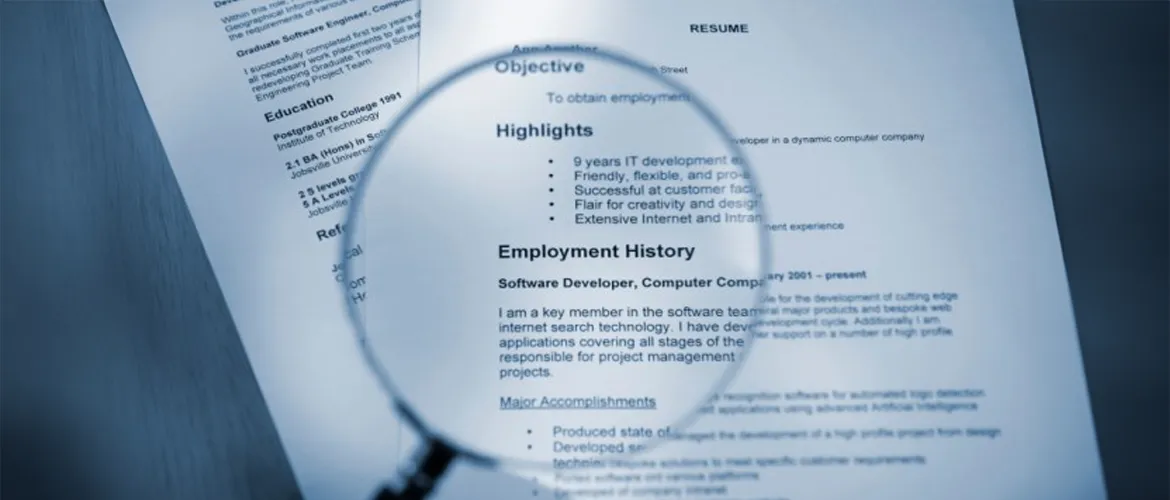
Your resume is not just a document. It’s your first handshake, your elevator pitch, and your personal brand all rolled into one page. Recruiters often spend only a few seconds scanning it, which means even small missteps can quietly move you from the “yes” pile to the “maybe later” stack. If you’ve ever wondered why callbacks aren’t happening, it might not be your experience. It might be these common pitfalls. Let’s break down the worst resume mistakes and how to fix them like a pro.
20+ Worst Resume Mistakes (And What To Do Instead)

1. Using a Generic Resume for Every Job
Sending the same resume everywhere signals low effort.
Fix: Tailor keywords and achievements to each role.
2. Writing a Vague Professional Summary
Buzzwords like “hardworking” and “team player” don’t stand out.
Fix: Highlight measurable strengths and niche expertise.
3. Listing Duties Instead of Achievements
Responsibilities don’t show impact.
Fix: Use results like percentages, revenue, or outcomes.
4. Including Irrelevant Work Experience

Too much unrelated history dilutes your story.
Fix: Focus on roles that support your current career goal.
5. Poor Formatting and Cluttered Layout
Dense text discourages reading.
Fix: Use clear headings, spacing, and bullet points.
6. Typos and Grammar Errors
This signals lack of attention to detail.
Fix: Proofread twice and use grammar tools.
7. Overly Long Resume
More than two pages can lose attention quickly.
Fix: Keep it concise and high-impact.
8. Using an Unprofessional Email Address
It subtly affects credibility.
Fix: Use a simple name-based email.
9. Missing Keywords for ATS Systems
Your resume may never reach a human.
Fix: Mirror keywords from the job description.
10. Adding Too Much Personal Information
Details like marital status or full address aren’t needed.
Fix: Stick to professional contact info only.
11. Lack of Quantifiable Results
Without numbers, impact feels unclear.
Fix: Add metrics wherever possible.
12. Including an Objective Instead of a Value Statement
Old-style objectives focus on what you want.
Fix: Show what you bring to the employer.
13. Overusing Buzzwords

Words like “dynamic” and “innovative” feel generic.
Fix: Replace with specific examples.
14. Inconsistent Tense Usage
Switching between past and present feels sloppy.
Fix: Past tense for previous roles, present for current.
15. Ignoring Visual Hierarchy
Important details get buried.
Fix: Make key achievements easy to skim.
16. Listing References on the Resume
It wastes valuable space.
Fix: Provide references only when requested.
17. Including Too Many Soft Skills
Without proof, they sound generic.
Fix: Demonstrate them through achievements.
18. Not Highlighting Promotions or Growth
Career progression shows reliability.
Fix: Clearly show role changes and timelines.
19. Adding a Photo (When Not Required)

In many markets, this is unnecessary.
Fix: Skip unless specifically requested.
20. Using Complex Graphics or Tables
ATS systems may not read them correctly.
Fix: Keep formatting simple and clean.
21. Failing to Show Career Narrative
A resume should tell a clear story.
Fix: Align roles to show progression and focus.
22. Forgetting to Update It Regularly
Outdated resumes miss recent achievements.
Fix: Refresh every few months.
Quick Resume Health Check

| Element | What Recruiters Want | Quick Fix |
| Summary | Clear value proposition | Add niche strengths |
| Experience | Measurable impact | Include metrics |
| Layout | Easy to skim | Use bullets |
| Keywords | Role-specific terms | Match job posting |
| Length | Concise | Keep under 2 pages |
FAQs
What is the biggest resume mistake to avoid?
Using a generic resume without tailoring it to the job description is one of the most damaging mistakes.
How far back should a resume go?
Typically 10–15 years, unless older experience is highly relevant.
Should I include hobbies on my resume?
Only if they demonstrate skills or cultural fit relevant to the role.
How often should I update my resume?
Every 3–6 months or after major achievements.
Do recruiters prefer one-page resumes?
Early-career professionals should aim for one page, while experienced candidates can use two.
Think of your resume like a highlight reel, not a biography. Every line should answer one question: Why should we interview you? When you focus on outcomes, clarity, and relevance, your resume stops being just a document and becomes a persuasive story of your professional value.