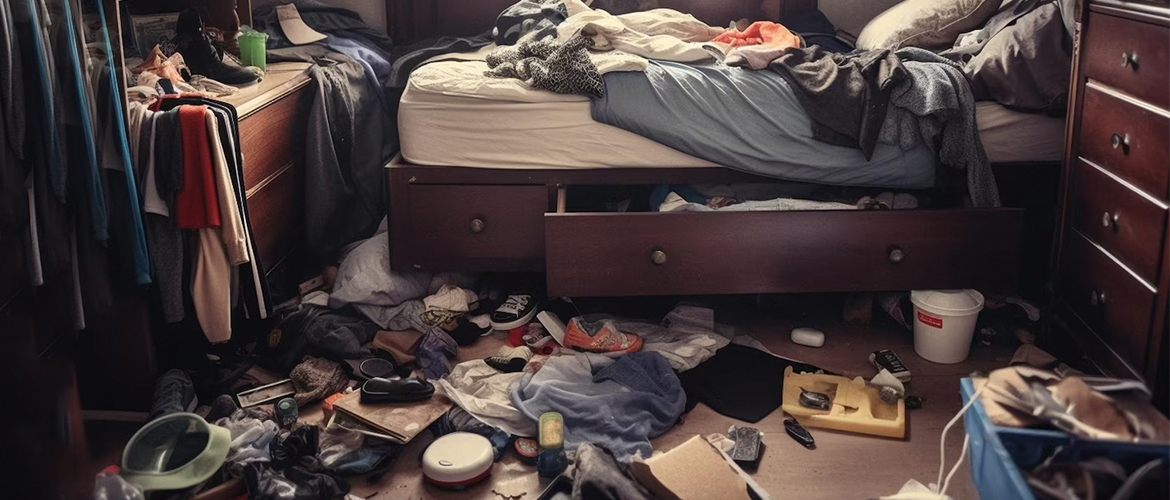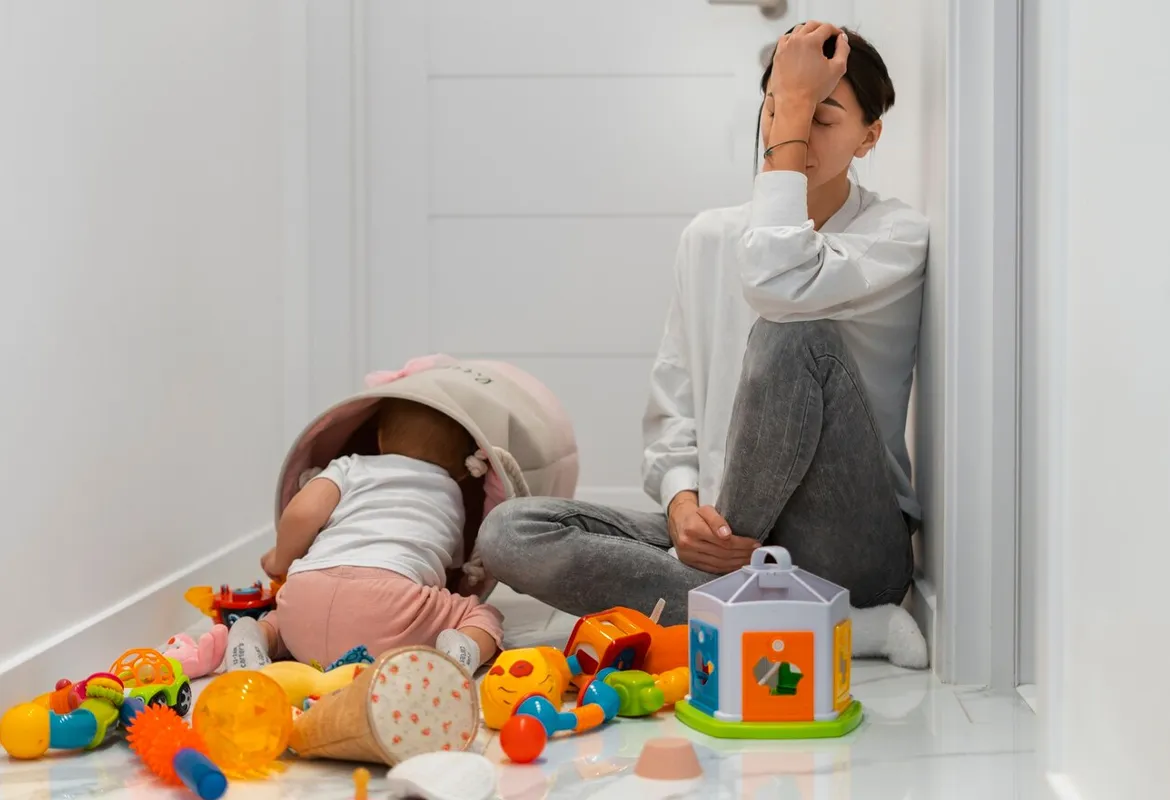
I still remember the day I walked into my nephew’s room and thought, Did a tiny tornado live here? Toys were everywhere, puzzle pieces on the floor, and somehow his superhero cape draped over a half-built LEGO castle. I raised an eyebrow. “Hmm… is this chaos… or creativity?”
That question — is being messy a sign of intelligence? — has bounced around in parenting groups, kitchen table chats, and late-night Googling sessions. And the answer isn’t a flat, yes or no.
Let’s dive into what science and real parenting experience suggest, in a conversational, reassuring way.
What Research Really Says About Mess and Creativity
There are studies showing that a messy environment might nudge the brain toward creativity and novel thinking. One experiment had people work in both neat and chaotic spaces and found that those in the messier setting were more likely to come up with fresh, unconventional ideas. This supports the idea that disorder sometimes encourages breaking from tradition and trying new approaches.
But here’s the important part: those results don’t mean that every messy kid or room automatically equals genius — or that tidy = not intelligent. What it suggests is that messiness can be correlated with creative thinking, not intelligence as measured by IQ tests.
Famous Messy Thinkers… and What That Really Means
Quotes like “If a cluttered desk is a sign of a cluttered mind, of what then, is an empty desk a sign?” — attributed to Albert Einstein — get shared all over social media. While fun, this isn’t a scientific endorsement exactly… but it does reflect a pattern we see anecdotally: many creative or innovative thinkers don’t fuss over organization.
Still, the mess isn’t the magic — it’s likely a by-product of focus on ideas over details. A child (or adult) absorbed in building, creating, or thinking big might simply have less mental bandwidth for neatness — and that doesn’t make them less smart.
Messy, Creative, and Intelligent — Not the Same Thing
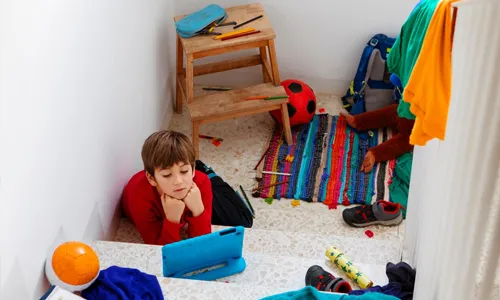
Creativity and Messy Spaces
There is some evidence that cluttered environments can stimulate unconventional thinking and exploration.
Intelligence
Traditional definitions include problem-solving, memory, logic, and learning — measured by standardized tests or academic performance. Messiness itself isn’t a direct marker of IQ.
Different Strengths
Some kids may thrive in small chaos because it mirrors active mental exploration; others concentrate better with tidy surroundings.
So, nope — a messy room doesn’t prove high intelligence — but it can be associated with creative thinking styles in some people.
What This Means for Your Child
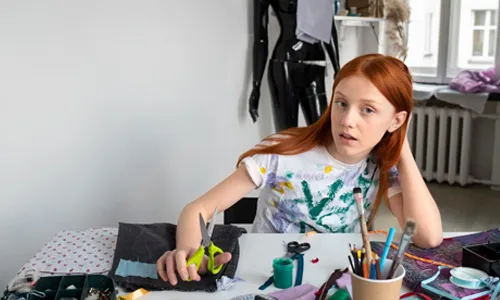
Many parents worry their child’s messy habits mean laziness or lack of discipline. But a bit of mess could simply reflect:
- A busy mind prioritizing play and ideas
- A phase of exploration and learning
- Storytelling through toys, puzzles, and setups
One tip: if the mess comes alongside joy, engagement, problem-solving, and curiosity, it’s probably just a phase of development — not a red flag.
But if it’s paired with chronic disorganization that affects daily life (like losing items constantly, difficulty completing tasks, or distress around tidying), that can be worth noticing.
When Messiness Might Be a Concern
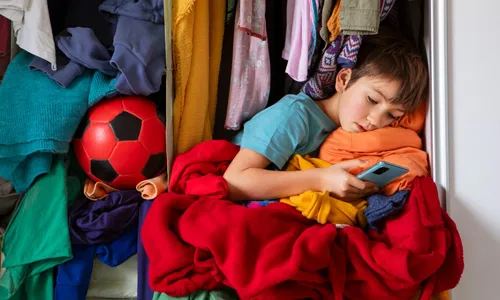
Science is clear on this: chaos in a home environment can be linked with lower cognitive outcomes and conduct challenges when it reflects deeper household instability, not playful clutter. One long-term study found household chaos was associated with lower child IQ and behavioral problems, even after accounting for other factors.
So it’s less about the toys on the floor, and more about how the environment affects learning, routines, and emotional regulation.
Tips for Parents — Balancing Mess and Growth
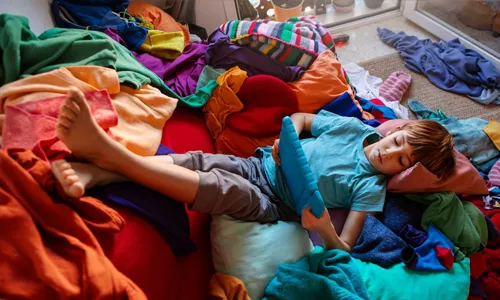
1. Let Creativity Happen…—but Support Focus
Creative play is great. A messy evening play session doesn’t spell trouble — it may be a brain exploring possibilities.
2. Have Tidy Zones for Learning Tasks
Homework or focused activities often benefit from a calmer, organized space.
3. Teach Organizational Skills Gently
Help kids build routines for cleanup — not punishment, but as life skills that support executive function.
4. Look at Behavior, Not Just Clutter
Is your child struggling with focus, losing items constantly, or feeling overwhelmed? That’s different from occasional messiness.
5. Encourage Curiosity, Ask Questions
“What’s this creation about?” instead of “Why is this messy?” keeps communication positive and growth-focused.
FAQs
Can being messy mean my child is creative?
Yes, messy play often reflects curiosity and exploration, but it’s not a direct IQ indicator.
Does messiness mean lack of intelligence?
No — many intelligent or creative thinkers don’t prioritize neatness.
Is a messy room bad for learning?
Excessive chaos can distract and may affect routines, so a balance is helpful.
Should I force my child to clean up?
Encourage cleanup as a skill, not a punishment — make it positive and structured.
Is there science linking mess to intelligence?
Studies suggest cluttered spaces can support creative thinking, but not that mess causes higher IQ.
So, is being messy a sign of intelligence? The short answer: sometimes in small ways — but not in a strict IQ sense. A messy desk may be the home of a brilliant idea someday. But intelligence is multifaceted — creativity, logic, emotional awareness, curiosity, and persistence all play a role.