
Every year, right before midnight, there’s that familiar moment. Someone insists you hold a coin. Another reminds you not to argue. Someone else swears you must eat grapes, lentils, or greens — or else.
You may laugh, roll your eyes, or quietly comply. But deep down, there’s a tiny voice saying, “What if it works?”
That’s the charm of new year superstitions. They sit somewhere between tradition, hope, and human psychology — not entirely logical, but strangely comforting.
Let’s explore the most common ones people still follow and why they continue to survive year after year.
Why Do We Believe in New Year Superstitions?
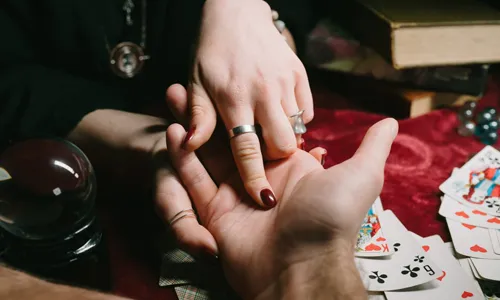
The New Year represents a clean slate. When life feels uncertain, rituals give us a sense of control — even symbolic ones. Following traditions makes us feel prepared, protected, and hopeful.
These beliefs aren’t really about magic. They’re about intention.
Common New Year Superstitions People Still Follow

1. What You Do on New Year’s Day Sets the Tone
This belief suggests that your actions on January 1 influence the rest of the year. That’s why many avoid arguments, crying, or laziness.
It’s also why lists of things not to do on New Year’s Day circulate every year — not because people truly believe one bad moment ruins a year, but because they want to start gently.
2. Money Rituals for Financial Luck

Across cultures, financial prosperity takes center stage.
- Carrying cash into the New Year
- Eating lentils or black-eyed peas
- Avoid spending money on January 1
These New Year’s money superstitions reflect a shared hope for stability and abundance, especially after unpredictable years.
3. Eating for Good Fortune

Food traditions are deeply symbolic:
- Grapes for luck
- Greens for wealth
- Round foods to represent completeness
These aren’t random choices. They reflect prosperity, growth, and continuity — values people want to carry forward.
4. Love and Relationship Beliefs

Some believe kissing at midnight ensures a year of love. Others avoid spending New Year’s Eve alone, fearing loneliness ahead.
These New Year superstitions for love highlight how emotionally invested we are in starting the year connected rather than isolated.
5. First Footing Matters

In many cultures, the first person to enter your home after midnight matters. Someone cheerful, successful, or kind is believed to bring good luck.
At heart, this tradition is about surrounding yourself with positive energy from the very start.
6. Avoiding Breakage and Loss

Breaking dishes, losing items, or spilling things on New Year’s Day is often considered unlucky. Symbolically, it represents carelessness or loss.
Whether or not one believes it, the superstition encourages mindfulness — a helpful mindset for a new beginning.
7. Cleaning Before the New Year

Many people clean their homes thoroughly before December 31 but avoid cleaning on January 1.
This ritual represents clearing old energy and not “sweeping away” good luck — a blend of symbolism and fresh-start psychology.
8. Wearing Certain Colors

Red for love. Yellow for happiness. White for peace.
Clothing rituals may vary by culture, but the message is universal: dress with intention.
These small acts make people feel aligned with their goals.
9. No Borrowing or Lending

Some believe borrowing or lending money on New Year’s Day leads to financial struggles later.
Whether superstition or sensible boundary-setting, it reinforces starting the year debt-free — emotionally and financially.
10. Writing Intentions or Wishes
Writing goals, burning papers, or speaking affirmations aloud are modern interpretations of ancient rituals for New Year good luck.
They work not because of superstition — but because clarity creates direction.
Are New Year Superstitions Harmful or Helpful?

Most superstitions are harmless. In fact, many are emotionally grounding. Problems only arise when beliefs cause fear, anxiety, or guilt.
When practiced playfully, traditions can:
- Create family bonding
- Encourage reflection
- Bring comfort and optimism
Belief doesn’t have to be literal to be meaningful.
FAQs About New Year Superstitions
Are New Year superstitions real?
They are cultural beliefs, not scientific facts, but they often provide emotional comfort.
Do different cultures follow different superstitions?
Yes. Many traditions are region-specific but share common themes like luck and prosperity.
Is it bad to ignore New Year superstitions?
Not at all. Participation is optional and personal.
Why do people still follow these beliefs today?
They offer hope, tradition, and a sense of control during transition.
New Year superstitions aren’t really about luck. They’re about intention. They remind us to pause, reflect, and step forward with care.
Whether you follow one ritual or none at all, the real power lies in what you choose to carry into the year — kindness, clarity, and a little hope.
And honestly, if eating a spoonful of lentils makes you smile at midnight… why not?