There’s a moment every parent recognizes. Your toddler insists, “I do it!” while trying to wear shoes on the wrong feet. It’s tempting to step in. It’s faster. Cleaner. Easier. But those tiny, stubborn attempts? That’s where raising independent children truly begins.
Independence isn’t about pushing kids away. It’s about slowly teaching them that they are capable. And capable kids grow into confident adults. Let’s talk about how to nurture that independence without turning your home into a daily power struggle.
Let Them Try (Even If It Takes Longer)

Yes, it’s quicker to pour the juice yourself. Yes, you could button that shirt in two seconds.
But when children try, even imperfectly, they build problem-solving skills. They learn patience. They learn that mistakes aren’t disasters.
Next time your child says, “I want to do it,” pause before helping. Give them space. Offer guidance, not takeover.
Independence grows in those small pauses.
Create Small Responsibilities Early
Children love feeling useful.
You don’t need grand chores. Start tiny:
- Putting toys back in the basket
- Carrying their plate to the sink
- Choosing their outfit (even if it’s creatively mismatched)
- Watering plants
When responsibilities feel manageable, kids feel proud instead of pressured.
Stop Fixing Everything Immediately
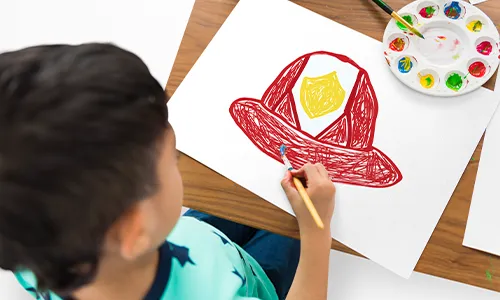
Spilled milk. Backward shirt. Crooked drawing.
Our instinct is to correct. But constant fixing sends a quiet message: “You can’t do this right.”
Instead, try asking: “What do you think we can do to clean this up?”
When kids solve small problems, they build big confidence.
Encourage Decision-Making
Independence grows when children make choices.
Offer simple options: “Do you want the blue cup or the green one?”
“Would you like to read first or brush teeth first?”
Choices give children a sense of control while keeping boundaries intact.
And here’s the secret: controlled choices reduce tantrums. Win-win.
Allow Safe Struggles
Struggle isn’t failure. It’s growth in disguise.
If your child is trying to zip a jacket and getting frustrated, resist stepping in immediately. Stay close. Encourage. Let them try again.
That moment when they finally succeed? It’s electric.
That’s confidence being built.
Teach Skills, Don’t Just Give Instructions
Instead of saying, “Clean your room,” break it down:
- Pick up books
- Put stuffed animals in the basket
- Fold the blanket
Children learn independence through guidance, not vague expectations.
Once they know the steps, they can repeat them without you.
Model Independence Yourself

Children copy more than they listen.
Let them see you:
- Organizing your day
- Solving problems calmly
- Managing responsibilities
When independence feels normal in the home, it becomes natural for them too.
Praise Effort, Not Perfection
Instead of “You’re so smart,” try:
“I’m proud of how you kept trying.”
“You didn’t give up.”
Effort-based praise builds resilience. And resilience is the backbone of independence.
Don’t Rush the Process
Raising independent children isn’t about creating miniature adults overnight.
It’s about gradual release.
First, you do it.
Then, you do it together.
Then, they do it alone.
That rhythm builds confidence without overwhelm.
Quick Guide: Age-Appropriate Independence
| Age | Simple Independence Skills |
| 2–3 years | Putting toys away, feeding with spoon |
| 3–4 years | Dressing with assistance, simple cleanup |
| 4–5 years | Making bed (basic), organizing school bag |
| 6+ years | Simple chores, homework responsibility |
Remember, every child develops at their own pace. Progress matters more than perfection.
FAQs
At what age should I start teaching independence?
You can start as early as toddlerhood with small, manageable tasks like putting toys away.
How do I balance helping and encouraging independence?
Offer guidance, not control. Step in only when necessary for safety or frustration overload.
What if my child resists responsibility?
Keep tasks small and consistent. Make responsibilities feel empowering rather than forced.
Does independence reduce behavioral issues?
Yes. Children who feel capable and in control often show fewer power struggles.
Can I encourage independence without being strict?
Absolutely. Independence grows through encouragement, patience, and consistent boundaries, not harshness.
The Real Goal of Raising Independent Children
Independence doesn’t mean distance. It means raising children who trust their own abilities. Who try before quitting. Who know they are supported, but also capable.
One day, those tiny hands that insisted “I do it” will confidently handle bigger life decisions.And you’ll realize those slow mornings, the crooked shoes, the small spills were never inconveniences. They were stepping stones.