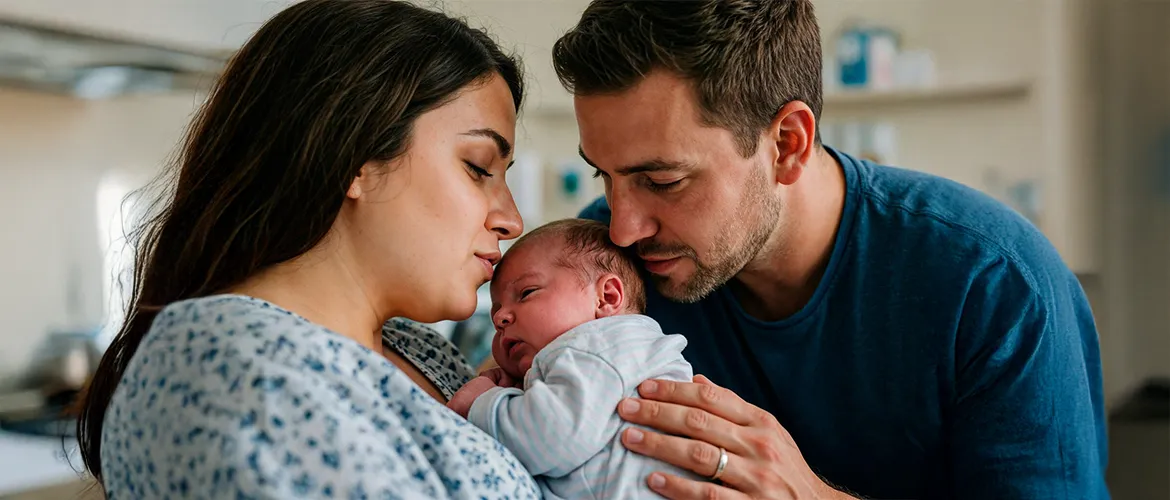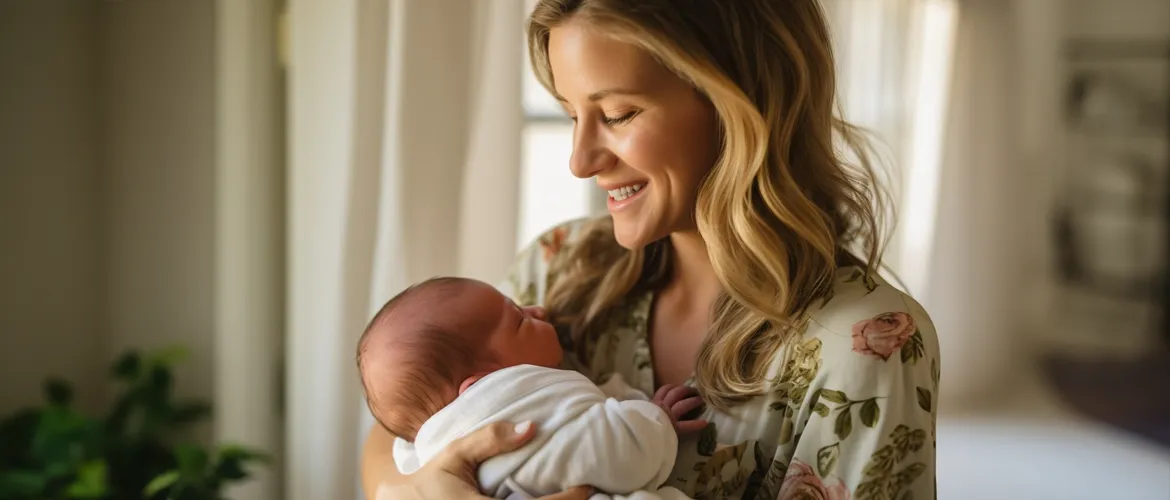
There’s a moment many parents remember vividly. You hold your baby close, breathe in, and suddenly the world feels softer, slower, almost wrapped in cotton. The addictive scent of a newborn isn’t just a poetic idea parents toss around; it’s a real sensory experience that can feel deeply calming and oddly irresistible.
For some, it’s reminiscent of warmth and milk. For others, it’s simply “baby.” But behind this tender ritual lies a fascinating mix of biology, psychology, and emotional bonding that explains why so many parents instinctively lean in for that tiny head-sniff.
Why Newborns Have a Unique Scent
A newborn’s smell comes from a blend of natural factors:
- Vernix caseosa residue: The creamy protective layer babies are born with
- Amniotic fluid traces: A familiar scent that helps parents recognize their baby
- Developing skin microbiome: The harmless bacteria that create subtle odor signatures
Unlike perfumes or lotions, this scent is entirely natural and constantly changing as the baby grows, which is why parents often say it fades after the first few months.
The Science Behind the “Addictive” Feeling
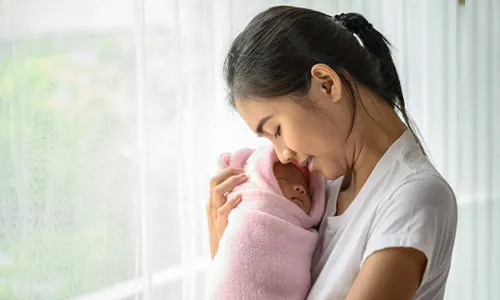
Researchers studying maternal bonding have found that smelling a newborn can activate reward and emotional centers in the brain, similar to how people respond to comforting or pleasurable experiences.
In simple terms, your brain interprets your baby’s scent as something important and rewarding. This neurological response encourages closeness, nurturing behavior, and emotional attachment, all essential for early bonding.
It’s nature’s quiet way of saying: stay close, protect, connect.
How the Scent Strengthens Emotional Bonding
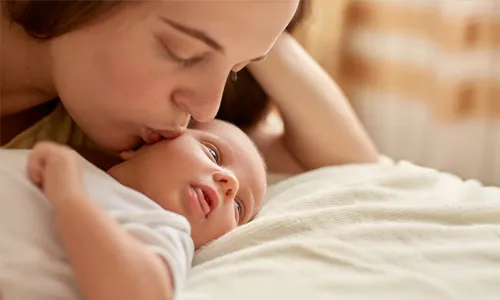
That instinct to nuzzle your baby’s head isn’t just affection, it’s connection in action.
The scent can:
- Create a sense of calm and reassurance
- Reduce stress levels in parents
- Reinforce feelings of attachment
- Trigger nurturing instincts
Many mothers describe the experience as grounding, especially during the overwhelming early weeks of parenthood. In the middle of sleepless nights and constant learning curves, that familiar scent can feel like an emotional anchor.
Why Some Parents Notice It More Than Others
Not every parent experiences the scent the same way, and that’s completely normal.
Hormones, sensitivity to smell, and even fatigue can influence how strongly someone perceives it. Some parents find the scent intense and comforting, while others barely notice it, and neither experience affects the quality of bonding or love.
Parenting isn’t measured by how deeply you inhale, it’s measured by care, presence, and connection.
Does the Newborn Smell Really Fade?
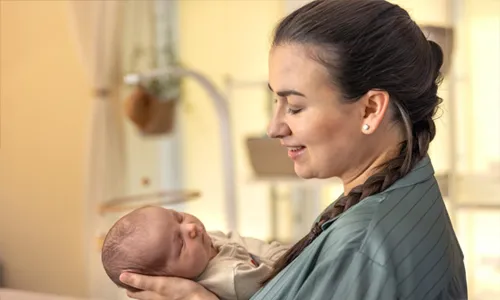
Yes, gradually. As babies grow, their skin chemistry changes, baths become more frequent, and their environment expands.
While the distinct newborn scent may fade, the emotional memory of it often lingers. Many parents recall it years later as one of the most tender sensory memories of early parenthood, almost like a time capsule you can’t quite reopen but never forget.
The Emotional Comfort It Brings to Mothers
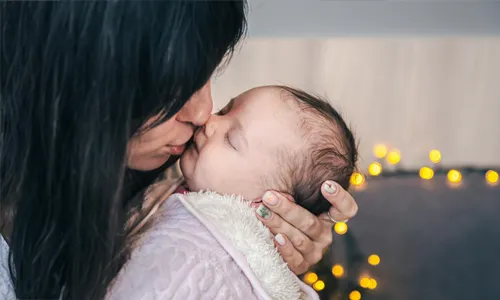
Beyond biology, the scent often carries a psychological comfort. It can make mothers feel more confident, more connected, and even more relaxed.
In those early weeks when everything feels new and uncertain, that familiar smell can feel like reassurance that you and your baby are in sync, learning each other moment by moment.
FAQs
Why do parents find the addictive scent of a newborn comforting?
Because it triggers emotional and reward responses in the brain, helping parents feel calm, connected, and protective toward their baby.
How long does the newborn smell usually last?
It’s most noticeable in the first few weeks to months, gradually fading as the baby grows and their skin chemistry changes.
What if I don’t notice my baby’s scent?
That’s completely normal. Bonding happens through many senses like touch, eye contact, and voice, not just smell.
Can the scent really reduce stress?
Many parents report feeling calmer when holding and smelling their baby, likely due to hormonal and emotional responses linked to bonding.
Is the newborn scent the same for every baby?
No. Each baby has a slightly unique scent influenced by their skin, environment, and natural chemistry.
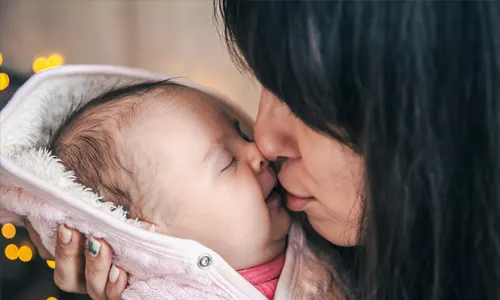
The addictive scent of a newborn is one of those fleeting yet powerful experiences that blends science with pure emotion. It’s not just about how a baby smells; it’s about what that scent represents: closeness, protection, and the beginning of a lifelong bond.
Long after the newborn phase passes, the memory of that soft, comforting scent often remains tucked away in a parent’s heart, a reminder of just how magical the earliest days can feel.