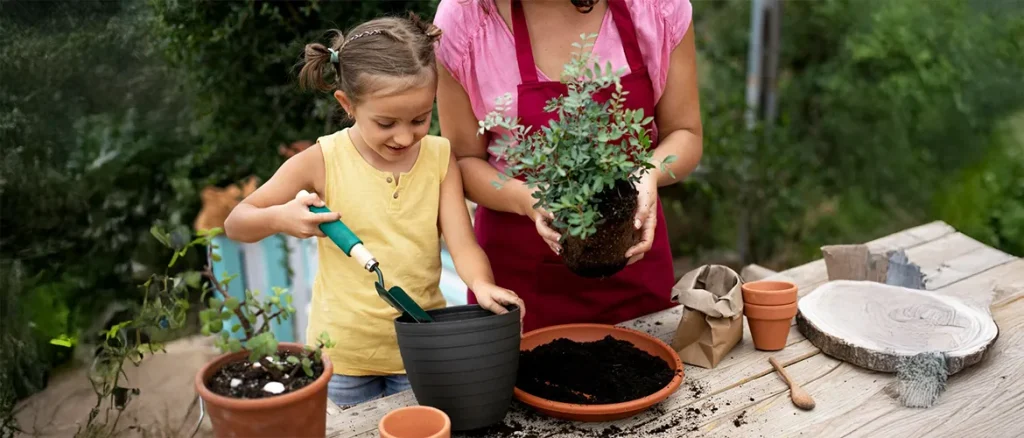
Children are naturally curious. Give them a patch of soil, a watering can, and a tiny seed, and suddenly the world becomes a magical science experiment. Gardening with kids is more than planting flowers. It’s about nurturing patience, responsibility, creativity, and a deep connection with nature. Watching a seed transform into a plant can feel like witnessing a quiet miracle.The best part? You don’t need a huge backyard. A balcony, a few pots, or even a sunny windowsill can become a thriving mini garden.Let’s explore fun and meaningful ways to make gardening with kids an exciting family activity.
Why Gardening With Kids Is So Beneficial
Before grabbing the trowel, it helps to know why gardening is such a powerful activity for children.
It Teaches Patience
Seeds don’t sprout overnight. Kids learn that good things take time.
When harvest time comes, kids feel proud seeing their garden turn into dinner.
7. Try Indoor Gardening Projects
If you don’t have outdoor space, indoor gardening works beautifully.Easy ideas include:
Growing herbs on a windowsill
Planting beans in glass jars
Sprouting green onions in water
Kids love watching roots grow through transparent containers.
8. Let Kids Decorate Plant Pots
Plain pots can become art projects.Children can paint:
Funny faces
Flowers
Animals
Bright patterns
The garden becomes colorful and personal.
9. Teach Them About Pollinators
Gardens attract fascinating visitors like butterflies and bees.Explain how pollinators help plants grow.You can even plant pollinator-friendly flowers like:
Lavender
Marigolds
Zinnias
Kids love spotting buzzing garden helpers.
10. Start a Garden Journal
Encourage kids to track their plants.They can write or draw:
When seeds were planted
When sprouts appeared
How tall the plant grew
It turns gardening into a fun science project.
11. Plant a Butterfly Garden
Children are fascinated by butterflies.Grow plants that attract them, such as:
Milkweed
Coneflowers
Sunflowers
Watching butterflies visit feels like hosting tiny flying guests.
12. Turn Gardening Into a Treasure Hunt
Hide small surprises in the garden.Ask kids to find:
A worm
A ladybug
A heart-shaped leaf
The tallest plant
Gardening suddenly becomes an outdoor adventure.
13. Teach Composting
Kids find composting surprisingly interesting.Explain how food scraps become soil.They can add:
That first bite from the garden often tastes like victory.
15. Celebrate Garden Success
Even tiny harvests deserve celebration. Take photos, cook something simple, or let kids proudly share their vegetables. Celebrating success makes gardening with kids unforgettable.
Plants may fail sometimes. That’s part of learning.
Allow Mess
Gardening involves dirt. Lots of it.
Keep Sessions Short
Young children enjoy 15–20 minutes of gardening.
Focus on Fun
The goal isn’t a perfect garden. The goal is curiosity and joy.
FAQs
What age is best to start gardening with kids?
Children as young as two or three can participate in simple gardening tasks like watering plants or planting large seeds.
What are the benefits of gardening for children?
Gardening helps children develop patience, responsibility, creativity, and a stronger connection with nature.
What are easy plants for kids to grow?
Sunflowers, beans, cherry tomatoes, lettuce, and herbs like basil are some of the easiest plants for children to grow.
How do you make gardening fun for kids?
Let them choose plants, decorate pots, explore bugs, and celebrate harvests. Turning gardening into games keeps kids excited.Gardening with kids is one of those rare activities that blends fun, education, creativity, and bonding all in one. It teaches children patience in a fast-paced world, responsibility in a playful way, and appreciation for nature that screens can never replace. Years later, they may forget the toys they played with, but they’ll likely remember the day they planted their first seed and watched it grow.And that tiny seed? It often grows into a lifelong love for nature.