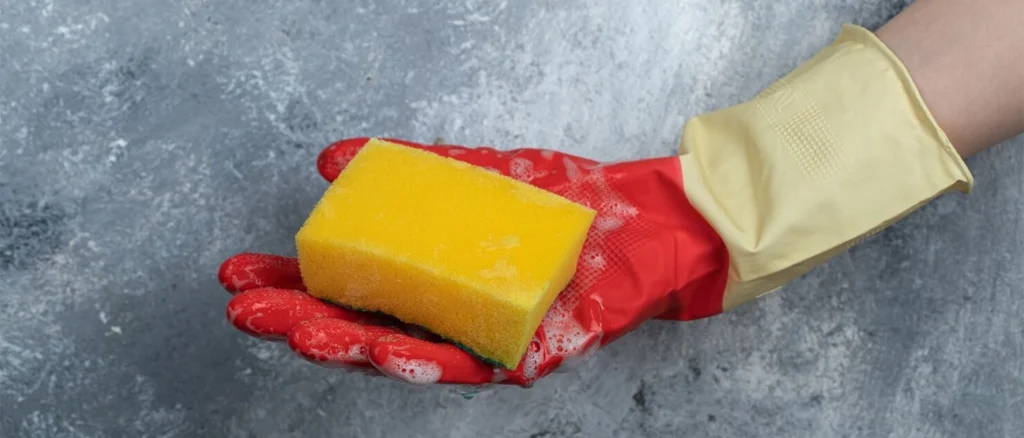
I used to think a kitchen sponge had exactly one job.Wash dishes.Maybe wipe the counter if I was feeling ambitious.Then one day, I used an old sponge to remove pet hair from the couch.It worked.And suddenly I started looking at that little rectangle sitting beside my sink differently.Because a sponge isn’t just something you squeeze dish soap onto. Its soft texture, absorbency, and slightly rough surface make it surprisingly useful around the house.If you’ve got a few clean, unused or designated household sponges sitting around, here are five clever uses of sponges worth trying.
1. Pick Up Pet Hair From Furniture
If you have a dog or cat, you already know the situation.The couch looks clean.You sit down.And suddenly your pants are wearing a furry little coat.A slightly damp sponge can help gather pet hair from fabric surfaces such as sofas, upholstered chairs, and some rugs.Simply dampen the sponge, wring it out well, and wipe the surface in one direction.The hair tends to collect into little clumps that are much easier to pick up.
A Quick Tip
Don’t soak the furniture.You want the sponge slightly damp, not dripping. Test it on an inconspicuous area first, especially if you’re dealing with delicate upholstery.And keep a separate sponge for this job. The sponge you use on your dishes should never become your pet-hair sponge.
2. Give Your Indoor Plants a Little Watering Backup
Here’s a clever trick for plant lovers.A sponge can hold water, which means it can sometimes help keep the soil from drying out too quickly.For a small potted plant, you can place a clean, appropriately sized sponge in the bottom of a planter only when the pot and plant setup allows for proper drainage.The sponge can absorb some excess moisture, but it should never become a substitute for drainage holes or proper watering.And please don’t use this trick to turn your plant into a tiny indoor swamp.Too much moisture around the roots can contribute to root problems.
A Better Everyday Approach
If your plant constantly dries out, look at its pot, soil, light, and watering schedule instead of relying on a sponge as a permanent solution. The sponge is a little helper, not a plant babysitter.
3. Remove Fuzz From Sweaters
Have you ever pulled out a favorite sweater and thought,“Wasn’t this supposed to look better?”Pilling and loose fuzz can make perfectly good clothing look tired.A clean, dry sponge with a mildly abrasive side can sometimes help lift loose fuzz from sturdy sweaters and fabrics. Run it gently over the surface rather than scrubbing aggressively.
Be Careful With Delicate Fabrics
Don’t use a rough sponge on cashmere, silk, lace, or other delicate materials. For expensive or particularly delicate clothing, use a tool specifically designed for that fabric.And always test your method on a hidden area first. Five minutes of experimentation is better than turning your favorite sweater into an accidental art project.
4. Protect Small Surfaces From Scratches
This is one of my favorite practical uses of sponges because it gives old household sponges a second life.Cut a clean sponge into small pieces and place them underneath items that might scratch surfaces.Think:
The soft sponge creates a little cushion between the object and the surface. You can also use small pieces inside drawers or cabinets to stop lightweight items from sliding around.
Just Make Sure the Sponge Is Clean and Dry
Don’t use a sponge that has been sitting beside the kitchen sink for weeks. Use a clean sponge designated for household projects.Otherwise, you’re simply transferring old kitchen grime onto your furniture.
5. Reach Into Awkward Spaces
There are some places your hand simply doesn’t want to go.The narrow space behind an appliance. The gap around a window track.The edges of certain shelves.The grooves around doors and cabinets.A sponge can become a handy little cleaning tool for these awkward areas.Cut it into a smaller shape if necessary, slightly dampen it, and use it to wipe away dust and grime.For narrow tracks, you can even make a few shallow cuts into the sponge so it fits around raised edges.Just don’t force it into a space where it could get stuck.
A Small Sponge Can Do Big Things
This is especially useful for quick cleanup because you’re not dragging out a whole collection of cleaning tools. Sometimes the easiest cleaning tool is already sitting in your kitchen drawer.
Before You Reuse a Kitchen Sponge, Stop!
Not every sponge sitting next to your kitchen sink should be repurposed around the house. Kitchen sponges can collect food particles and microorganisms, especially when they’re repeatedly used and left damp.So create a simple system.
Kitchen sponge: Dishes and kitchen surfaces only.
Cleaning sponge: Bathroom, floors, furniture, and other household jobs.
Pet sponge: Pet hair and pet-related cleanup only.
And never move a sponge from a bathroom or pet-cleaning job back to your kitchen. Also, replace sponges regularly when they become worn, smelly, or visibly dirty.If you’re using a sponge for food-contact surfaces, follow the manufacturer’s care instructions and your local food-safety guidance.
Don’t Throw Away Every Old Sponge Immediately
An old kitchen sponge that is no longer suitable for dishes may still have a second life for certain non-food cleaning jobs.But there is a difference between old and gross.If a sponge smells bad, has mold, is falling apart, or has been used for something particularly dirty, throw it away. There is no prize for squeezing three extra uses out of a sponge that has clearly entered its retirement era.
A Few More Ways to Think About Sponges
Once you start noticing how useful they are, you may find even more jobs for them.A sponge can be:
Just remember that the material and texture of a sponge matter.A soft cellulose sponge isn’t the same as a heavy-duty scrub sponge, and neither should automatically be used on every surface.
FAQs
What are the most useful uses of sponges around the home?
Sponges can help remove pet hair, clean hard-to-reach areas, lift loose fuzz from sturdy fabrics, cushion household items, and handle small cleaning jobs.
Can I use a kitchen sponge to clean other parts of my house?
It’s better to keep separate sponges for different tasks. A sponge used for dishes or food-contact surfaces shouldn’t be reused for bathrooms, pet hair, or other dirty jobs.
Can a sponge remove pet hair?
Yes. A slightly damp sponge can gather pet hair from some upholstery, furniture, and rugs. Always test it on a small hidden area first.
Can sponges be used with indoor plants?
A clean sponge can hold some moisture, but it shouldn’t replace proper drainage or a suitable watering routine. Too much moisture can damage plant roots.
How often should I replace a kitchen sponge?
Replace it when it becomes worn, smelly, visibly dirty, or starts falling apart. If you’re using it for food-contact surfaces, follow the manufacturer’s care instructions.
Can I reuse an old sponge?
You can repurpose a sponge for some non-food cleaning tasks if it is still clean and in good condition. Avoid reusing sponges that smell, contain mold, or have been heavily soiled.The humble sponge doesn’t look particularly exciting. It’s usually sitting beside the sink, getting squeezed, rinsed, squeezed again, and forgotten. But those five little uses can make it surprisingly handy around the house.From collecting pet hair to protecting furniture and tackling awkward cleaning spots, there are plenty of uses of sponges beyond washing dishes. Just keep one golden rule in mind: A sponge can have many jobs, but each sponge should have its own job.