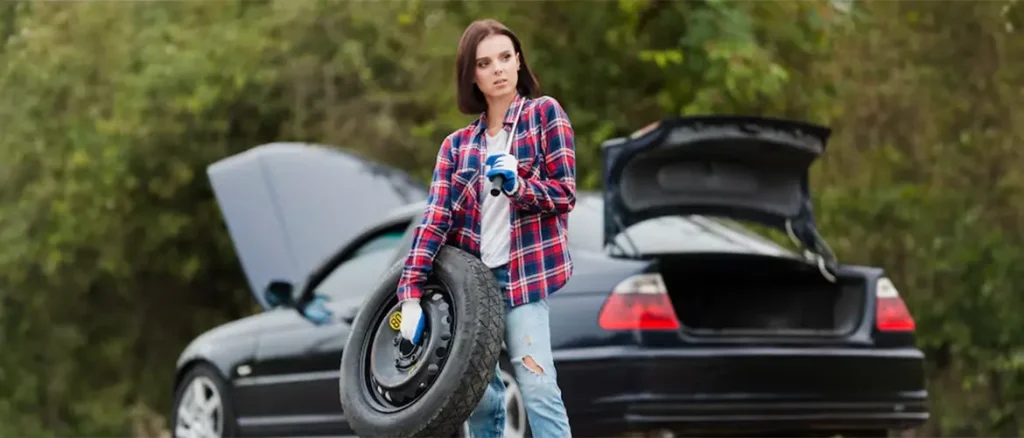
There are few things that test your patience quite like a flat tire. One minute you’re singing your heart out at a red light, the next… your car sounds like it’s chewing gum and losing. Classic. But here’s the thing: knowing how to fix a flat tire isn’t just a “nice-to-have” skill. It’s a power move. It’s independence, confidence, and a little bit of superhero energy rolled into one.So whether you’re parked on a quiet suburban street or stuck in a grocery store lot with melting ice cream in the back, this guide has you covered. Let’s turn that roadside panic into “I’ve got this.”
First, Don’t Panic (Seriously)
Flat tires feel dramatic, but they’re usually fixable. Take a breath. You’re not stranded in a desert with one shoe. You’re just dealing with a stubborn wheel.Before you do anything:
Turn on your hazard lights
Pull over to a safe, flat location
Engage the parking brake
Safety first. Always.
What You’ll Need (Your Tire-Fixing Toolkit)
Pop open your trunk. Most cars come with a basic kit that includes:
Spare tire (aka your backup dancer 🛞)
Jack
Lug wrench
Owner’s manual (your underrated best friend)
Optional but helpful:
Gloves (save your hands from grime)
Flashlight (because flats love to happen at night)
If you’re missing any of these… we’ll talk about when to call for help later.
Step-by-Step: How to Fix a Flat Tire
Let’s break it down into simple, doable steps. No mechanical degree required.
1. Loosen the Lug Nuts
Before lifting the car, use the lug wrench to loosen the nuts on the flat tire.Turn counterclockwise. They might be tight, so use your body weight if needed. Channel your inner gym energy.But don’t remove them completely yet. Just loosen.
2. Lift the Car with the Jack
Find the correct jack point under your car (your manual will show you exactly where).Slowly raise the car until the flat tire is about 5–6 inches off the ground.Yes, it feels slightly dramatic watching your car levitate. That’s normal.
3. Remove the Flat Tire
Now fully unscrew and remove the lug nuts. Keep them somewhere safe. Not in the grass. Not in a mysterious pocket you’ll forget.Pull the tire straight off.And there it is. The culprit.
4. Mount the Spare Tire
Line up the spare tire with the bolts and push it into place.Put the lug nuts back on and tighten them by hand first.
5. Lower the Car and Tighten Everything
Carefully lower the car back down using the jack.Once the car is stable, tighten the lug nuts fully using the wrench. Go in a crisscross pattern to keep things even.Think of it like tightening a corset, but for your wheel.
6. Double Check and Drive Carefully
Make sure everything feels secure. Then you’re good to go.But here’s the catch: spare tires are temporary.Drive slowly (usually under 50 mph) and head to a repair shop ASAP.
When NOT to Fix It Yourself (Call the Mechanic Instead)
Now, let’s be honest. Not every situation calls for DIY heroics. Sometimes the smartest move is calling in backup.Here’s when you should absolutely call a mechanic or roadside assistance:
1. You’re in an Unsafe Location
Busy highway? Narrow shoulder? Bad lighting?Nope. Your safety beats any DIY win.Call for help and stay inside your car if needed.
2. You Don’t Have the Right Tools
No jack? Missing wrench? Spare tire looking… suspiciously absent?That’s not a challenge. That’s a cue to call a professional.
3. The Tire Is Severely Damaged
If the tire is shredded, smoking, or looks like it survived a battle scene, don’t attempt a fix.You need expert help.
4. You’re Physically Unable to Change It
Flat tires can require strength, especially when loosening lug nuts.If it feels too difficult, there’s zero shame in calling for assistance.This isn’t a test of strength. It’s about getting safely back on the road.
5. You Have a Run-Flat Tire or No Spare
Some modern cars come with run-flat tires or no spare at all.In those cases, you may be able to drive a short distance, but you’ll still need a mechanic soon.
6. You’re Just Not Comfortable Doing It
Let’s normalize this: confidence matters.If you’re unsure or anxious, calling a mechanic is the smart move, not the weak one.
Low pressure is a silent troublemaker. Keep it in check.
Watch for Warning Signs
Car pulling to one side
Vibration while driving
Tire pressure light blinking
Your car whispers before it screams. Listen.
Avoid Potholes (The Villains of the Road)
If you can safely avoid them, do it. They’re tiny craters with attitude.
Keep a Roadside Emergency Kit
Think of it as your “just in case” survival kit:
Jumper cables
Portable air pump
Flashlight
Phone charger
Future you will be grateful.
A Quick Reality Check About Spare Tires
Not all spare tires are created equal.Some are “donut” spares, which are:
Smaller
Not meant for long distances
Speed-limited
They’re like temporary fixes, not long-term solutions.So once you’ve swapped the tire, your next stop should be a repair shop.
You’ve Got This
Learning how to fix a flat tire is one of those life skills that feels intimidating… until you do it once. Then suddenly, you’re that person. The one who doesn’t panic. Who handles things and the one who casually tightens lug nuts like it’s no big deal.And when it is a big deal? You’ll know exactly when to call a mechanic without second-guessing yourself. That’s the sweet spot. Confidence with a side of common sense.So the next time your tire decides to ruin your day, just remember: You’re not stuck. You’re just momentarily paused… with a wrench in hand and a story to tell.