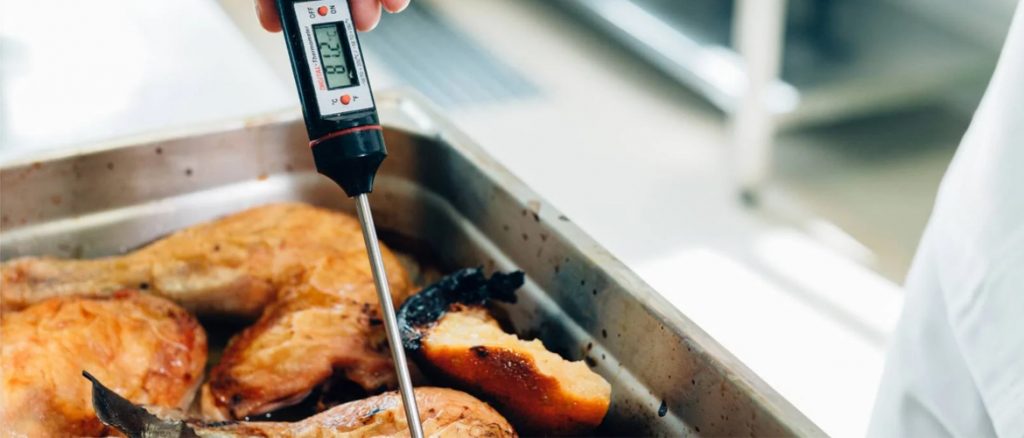
We’ve all experienced that moment of uncertainty when we wonder if our food is cooked properly. Luckily, there’s a range of tools to ease our minds, and among them, the kitchen thermometer stands out as a reliable choice. In addition to monitoring food temperatures, thermometers can accurately measure the heat in your oven, as well as the temperature inside your refrigerator and freezer, and have become the must-have gadgets in the kitchen. Check these five innovative uses of a kitchen thermometer to elevate your culinary prowess.
1. Mastering Confectionery Perfection
Who doesn’t relish the thought of indulging in delectable homemade sweets? Use your trusty kitchen thermometer to monitor sugar syrups, caramel, and chocolate with precision. Say hello to flawlessly crafted candies, silky-smooth caramels, and perfect chocolate ganaches.
2. Brewing the Perfect Cuppa
Attention! Are you obsessed with coffee and tea? Your morning ritual just got a scientific upgrade. Whether you’re steeping delicate green tea leaves or coaxing the perfect extraction from freshly ground coffee beans, maintaining the ideal water temperature is paramount. With your kitchen thermometer in hand, you can bid farewell to guesswork and achieve brewing perfection with ease. Try the new coffee of the new generation using a kitchen thermometer.
3. Crafting Artisanal Yogurt
Venture into the realm of homemade yogurt. With the aid of your kitchen thermometer, you can effortlessly cultivate the perfect environment for beneficial bacteria to flourish. From activating the starter culture to incubating the milk at just the right temperature, your thermometer is the unsung hero behind every velvety spoonful of homemade yogurt. Say goodbye to store-bought tubs and embrace the satisfaction of crafting your probiotic-rich delicacy.
4. Tempering Temptation
Embark on an adventure into the realm of chocolate craftsmanship. You’ll navigate the delicate dance of melting, cooling, and reheating chocolate with finesse. Say hello to flawlessly tempered chocolate that’s as visually stunning as it is delectable.
5. Perfecting Preserves
Embrace the age-old tradition of preserving seasonal abundance with a modern twist. Whether you’re whipping up a batch of jewel-toned jams or tangy fruit preserves, precise temperature control is the key to success. Your kitchen thermometer will ensure that your preserves achieve the ideal setting point, guaranteeing a luscious texture and vibrant flavor that captures the essence of summer all year round. Say goodbye to runny spreads and hello to jars brimming with homemade goodness.
Frequently Asked Questions
1. What are the main types of kitchen thermometers?
The main types are Digital (instant-read) for speed, Dial (bimetallic) for roasts and slow cooks, and Oven-Safe for continuous oven monitoring. Each type suits specific cooking needs.
2. How do I calibrate a kitchen thermometer?
Use the Ice Bath Method. Immerse the probe in a glass of crushed ice and water. It should read 32°F (0°C). Adjust the needle or digital reading if necessary, following your specific thermometer’s instructions.
3. Why is an accurate temperature so important in cooking?
Precise temperature is vital for food safety, ensuring dangerous bacteria are killed, and for achieving the correct texture and consistency in delicate items like candy, chocolate, and homemade preserves.
4. How do I clean and store a kitchen thermometer?
Wipe the probe with hot, soapy water or an alcohol wipe, avoiding submerging the head or dial. Store it safely in its sheath or away from sharp utensils to protect the delicate sensor.
5. Which type of thermometer is best for candy making?
A dedicated Candy or Deep-Fry Thermometer is best. It securely clips to the pot, features a high-temperature range, and accurately measures the precise, slow-changing heat required for sugar syrups and caramel.
6. What is the “danger zone” for food safety?
The danger zone is the temperature range where harmful bacteria multiply fastest, typically between 40°F and 140°F (4°C and 60°C). Food should spend no more than two hours in this range.
7. How does a thermometer help with tempering chocolate?
Tempering involves controlling precise temperature stages (melting, cooling, reheating) to stabilize cocoa butter. The thermometer ensures the chocolate reaches the exact crystalline structure needed for a shiny, snappy finish.
8. Can I use a meat thermometer for jam making?
Yes, you can, but only if the thermometer’s range extends high enough to measure the preserves’ setting point, usually around 220°F (104°C). A candy thermometer with a pot clip is usually more convenient. Therefore, from the uses of a kitchen thermometer, we can conclude that it is no ordinary gadget; it’s a gateway to culinary mastery and endless gastronomic delights. So, the next time you reach for your kitchen thermometer, let your imagination soar. Your palate and your guests will be grateful for the delicious results!