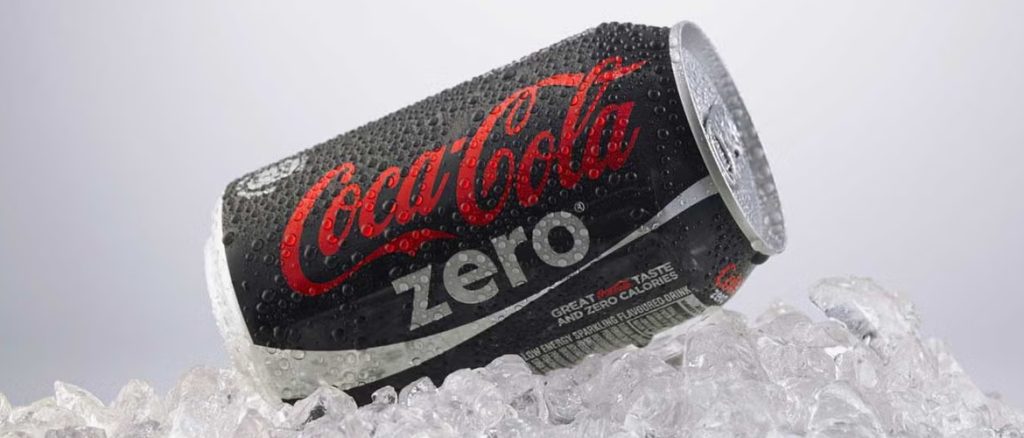
Are Zero Calorie Drinks Really Worth! Should I Go For It?
Nancy
I used to be that person who stocked up on diet soda because—well, zero calories, right? Seemed like the perfect hack. No sugar, no guilt. But over the years, I’ve become a little more skeptical and a lot more curious about what really goes into those “healthy” zero-calorie drinks.So if you’re wondering whether zero-calorie drinks are worth it or just another marketing gimmick, you’re not alone. Here’s what I’ve learned (through a mix of trial, error, and a whole lot of label reading).
1. What Makes It “Zero” Anyway?
Zero-calorie drinks usually get their sweetness from artificial or non-nutritive sweeteners like aspartame, sucralose, or stevia. The trick is that your body doesn’t process them the same way it does sugar, so you don’t get the calories—but your brain still thinks it’s getting sugar.That might sound like a win, but it’s not that simple.
2. They May Mess With Your Cravings
Some studies suggest that artificial sweeteners can actually increase your sugar cravings. I noticed this personally—after sipping a zero-cal soda, I’d be rummaging for snacks an hour later. Turns out, tricking your brain can backfire. It wants the sugar it thinks it’s getting.
3. They Don’t Add Nutritional Value
No calories, yes—but also no nutrients. You’re not gaining anything, and depending on how many you drink in a day, you might be crowding out healthier options like water, herbal tea, or even a fruit smoothie.
4. Gut Health: A Real Concern
There’s ongoing debate about how artificial sweeteners affect gut bacteria. Some research shows they might alter your microbiome in ways we’re just beginning to understand. If your digestion is off, or you feel bloated or weird after drinking one—your gut might be trying to tell you something.
5. It Depends on Why You’re Drinking Them
If you’re choosing zero-calorie drinks to cut back on sugar or manage your weight, they can be a decent temporary tool. But if they’re replacing water or becoming a crutch, it might be time to rethink.
6. Natural Doesn’t Always Mean Better
Some drinks market themselves as “naturally sweetened with stevia” or monk fruit, and while those are plant-based options, they’re still processed. I once switched from diet soda to a “natural” cola with stevia, and it still gave me headaches. Bodies react differently.
They’re not “zero-calorie,” but they’re light, refreshing, and don’t mess with my appetite or mood.
Are Zero-Calorie Drinks Actually Healthy?
Not exactly. While they don’t contain sugar or calories, they also offer little to no nutritional value. They can help reduce sugar intake, but relying on them daily isn’t the healthiest habit either.
Do Zero-Calorie Drinks Help With Weight Loss?
They can help you cut calories, but it’s not that simple. Some studies suggest they may increase cravings for sweet foods, which can cancel out the benefits.
What Are Zero-Calorie Drinks Made Of?
Most use artificial or non-sugar sweeteners like aspartame or sucralose. These give you sweetness without calories, but their long-term effects are still debated.
Can Zero-Calorie Drinks Affect Your Body?
Yes—especially if consumed regularly. Research suggests they may impact metabolism, gut health, and even insulin response over time.
Are Zero-Calorie Drinks Better Than Sugary Drinks?
In most cases, yes—they’re a better alternative to high-sugar sodas. But “better” doesn’t mean “best.” Water or natural drinks are still healthier choices.
Is It Safe To Drink Zero-Calorie Drinks Every Day?
Occasional consumption is generally considered safe. But daily, long-term use may come with potential risks, so moderation is key.
Do Zero-Calorie Drinks Increase Sugar Cravings?
They might. Some studies suggest artificial sweetness can trick your brain and make you crave more sugary foods later.
What Is The Healthiest Alternative To Zero-Calorie Drinks?
Simple: water. If plain water feels boring, try infused water, herbal teas, or sparkling water without additives.
So, Are Zero-Calorie Drinks Worth It?
If you’re looking for an occasional fix, sure—they’re better than guzzling regular soda every day. But if you’re counting on them for health or weight loss, they might not be the magic solution they’re marketed to be.The real question is: Do they make you feel good? If the answer is no—listen to your body. It’s usually smarter than any label.