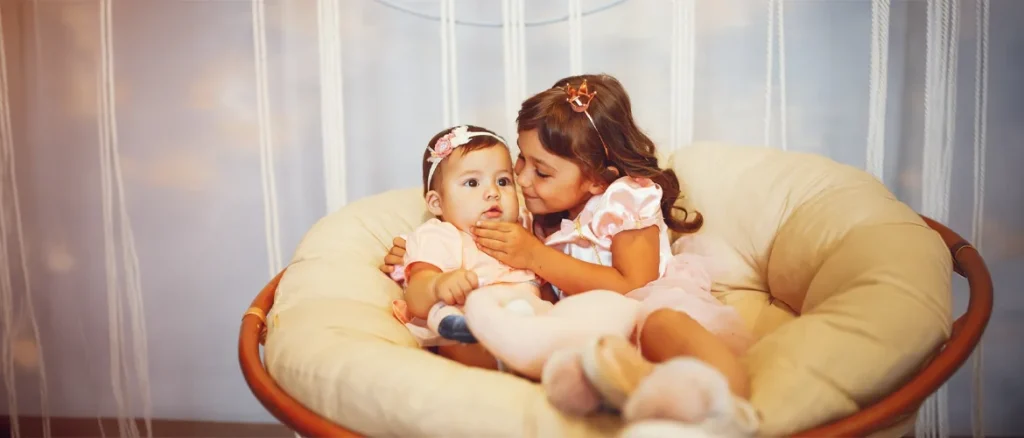
How to Prepare Your Child for a New Sibling Without Stress
Linda
There’s a quiet moment that often gets overlooked when you’re expecting your second child. It’s not during the baby shower or while folding tiny onesies. It’s when your first child looks up at you, blissfully unaware that their world is about to change forever.Bringing a new baby home isn’t just a milestone for you, it’s a life-altering shift for your child. Suddenly, they’re not the only star in the sky. And while adults understand love expands, children often feel like it divides.If you want to truly prepare your child for a new sibling, the goal isn’t just to “tell” them. It’s to guide them gently through the emotional landscape of this change, so they feel secure, included, and still deeply loved.Let’s walk through how to do that, thoughtfully and realistically.
Start the Conversation Early (But Keep It Simple)
Children don’t need a detailed timeline of pregnancy, but they do need time to process the idea.Instead of a single “big announcement,” think of it as a slow unfolding story. Mention the baby in casual conversations. Let it become a familiar concept rather than a sudden surprise.You might say something like, “There’s a baby growing in mommy’s tummy. You’re going to be a big sister.”Then pause. Let them react. Children often respond with curiosity, confusion, or even indifference. All of it is normal.
Make Them Feel Included, Not Replaced
One of the biggest fears children experience is losing their place in your life.So instead of saying, “We’re having a baby,” try shifting the language to: “Our family is growing.”Invite them into the process. Let them help pick baby clothes, arrange toys, or even choose between two nursery themes. These small acts create a sense of ownership.When children feel like participants instead of bystanders, the transition feels less like a takeover and more like a team effort.
Talk Honestly About What Babies Are Like
Here’s where many parents accidentally paint too rosy a picture.Babies cry. A lot. They demand attention at unpredictable hours. If your child expects a cute, playful companion right away, reality can feel disappointing.Gently explain what babies actually do: “They cry, sleep, and need a lot of care. But as they grow, they’ll play with you.”Setting realistic expectations helps avoid confusion and resentment later.
Keep Their Routine Sacred
Imagine your entire world changing overnight, and on top of that, your daily routine disappears.That’s overwhelming.Consistency is your child’s anchor. Keep mealtimes, bedtime rituals, and play schedules as stable as possible. These familiar rhythms whisper reassurance: “Even though things are changing, you are still safe.”If adjustments are needed, introduce them before the baby arrives, not after.
Expect Big Feelings (And Welcome Them)
Jealousy doesn’t mean your child is “bad.” It means they’re human.You might notice regression, tantrums, clinginess, or even silence. Instead of correcting these behaviors immediately, try understanding the emotion behind them.Say things like: “It feels hard when mommy is busy with the baby, doesn’t it?”When children feel seen, their emotions soften. When they feel dismissed, those emotions grow louder.
Create Special One-on-One Time
Even ten minutes of undivided attention can feel like a treasure chest to a child.It’s not about the duration, it’s about the presence.Put your phone away. Sit with them. Play their favorite game. Listen to their stories, even the ones that loop endlessly.This dedicated time reassures them that they haven’t lost you.
Introduce the Baby in a Thoughtful Way
First impressions matter, even between siblings.When you bring the baby home, avoid holding the newborn immediately when your older child walks in. Greet your child first, with open arms and full attention.Then, introduce the baby gently, almost like introducing two people who are about to become lifelong companions.Some parents even give a small “gift from the baby” to the older sibling. It’s a simple gesture, but it builds a positive emotional connection from day one.
Celebrate Their New Role
“Big sister” or “big brother” isn’t just a title. It’s an identity shift.Celebrate it.Talk about how special it is. Share stories about siblings who take care of each other. Praise their efforts when they help, even in small ways.But here’s the nuance: don’t turn them into a mini-parent. They should feel important, not burdened.
When Things Get Messy, Stay Patient
There will be moments when your child refuses to cooperate, demands attention at the worst possible time, or says something that stings.This is not a sign that you’ve failed.It’s part of the adjustment.Think of it like emotional growing pains. Your child is stretching into a new version of themselves, and stretching can be uncomfortable.Patience here isn’t just helpful, it’s transformative.
FAQs
1. At what age should I start preparing my child for a new sibling?
Start as soon as the pregnancy is stable and visible. Younger children need more time to adjust to the idea gradually.
2. How do I handle jealousy after the baby arrives?
Acknowledge their feelings, avoid punishment for emotional reactions, and give consistent one-on-one attention.
3. Should I involve my child in baby care?
Yes, but keep tasks small and optional. Let them help in ways that feel fun, not like responsibility.
4. What if my child regresses after the baby is born?
Regression is normal. Offer reassurance and patience rather than correction. It usually passes with time.
5. How can I make my child feel special after the new baby arrives?
Create daily one-on-one time, celebrate their role as an older sibling, and keep routines stable.To prepare your child for a new sibling is to guide them through change with empathy, honesty, and reassurance. You’re not just introducing a baby into your home. You’re reshaping your child’s world. Handled with care, this transition can become something beautiful, a bond that starts with uncertainty but grows into lifelong companionship.And one day, when you hear them laughing together in the next room, you’ll realize something quietly magical happened. Not just a new baby arrived. A new relationship was born.